
Vomiting and diarrhea in a dog can be alarming, even more so when they appear bright, playful, and otherwise unaffected.
While normal behavior can feel reassuring, digestive upset involving both vomiting and diarrhea often points to an underlying issue that shouldn’t be ignored.
This guide outlines the most common reasons why a dog may vomit and have diarrhea but act normal, what you can do.
Dog Vomiting and Diarrhea but Acting Normal: Why It Happens
When a dog is vomiting and has diarrhea but acting normal, it usually means the digestive tract is irritated while the rest of the body is still compensating well. Common causes include dietary indiscretion, mild infections, food sensitivities, parasites, stress-related gut upset, or early stages of illness.
Because dogs can tolerate short-term digestive issues surprisingly well, energy and appetite may remain normal at first.
Even so, repeated vomiting and diarrhea can quickly lead to dehydration or signal a deeper problem.
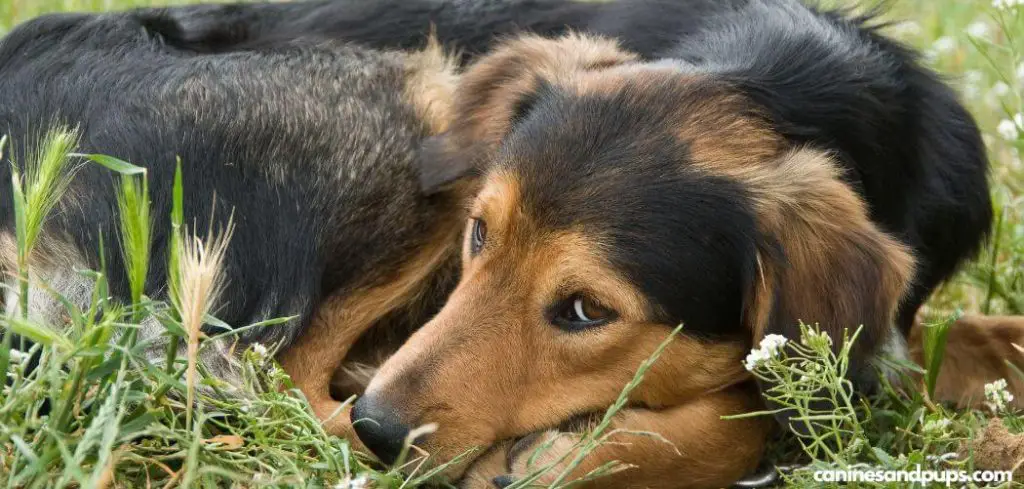
Dog Vomiting and Diarrhea but Acting Normal: Common Causes
Dietary Indiscretion
One of the most common reasons dogs vomit and have diarrhea while acting normal is dietary indiscretion.
Dogs often eat things they shouldn’t, such as garbage, table scraps, fatty foods, spoiled items, or unfamiliar treats. These foods irritate the stomach and intestines, leading to vomiting and loose stools.
In many cases, the dog continues to act playful and alert once the offending material passes through. You may notice symptoms start suddenly and resolve within a day.
While mild cases often improve quickly, repeated dietary indiscretion can cause ongoing digestive sensitivity and inflammation.
Related: Dog suddenly not eating and vomiting (Here’s why)
Sudden Diet Changes
Abrupt changes in diet can disrupt a dog’s digestive balance.
Switching foods too quickly alters the gut microbiome, making it harder for the intestines to digest and absorb nutrients properly. This commonly results in vomiting and diarrhea without affecting overall behavior.
You may notice loose stools, gas, or occasional vomiting shortly after a new food or protein is introduced. Energy levels usually stay normal.
Gradual food transitions are important, as repeated digestive upset can increase the risk of chronic gastrointestinal issues.
Mild Gastroenteritis
Gastroenteritis refers to inflammation of the stomach and intestines.
In mild cases, this inflammation can cause vomiting and diarrhea without making the dog feel significantly ill. Triggers include stress, minor infections, bacteria, or viruses.
Dogs may still eat, play, and interact normally, especially early on. You might notice soft stools, mucus in stool, or intermittent vomiting.
If inflammation persists, symptoms can worsen and lead to dehydration or loss of appetite.
Intestinal Parasites
Parasites are a frequent but often overlooked cause of digestive upset.
Worms such as roundworms, hookworms, whipworms, and giardia irritate the intestinal lining, leading to diarrhea and occasional vomiting. Some parasites interfere with nutrient absorption.
Many dogs with parasites still act normal, especially in early or mild infestations. Subtle signs may include soft stools, increased appetite, or weight changes.
Untreated parasites can cause chronic digestive problems and affect overall health over time.
Food Sensitivities
Food sensitivities can cause ongoing digestive irritation without dramatic illness.
Certain ingredients may trigger inflammation in the gut, leading to vomiting and diarrhea while energy levels remain unchanged. Unlike true allergies, skin symptoms may be absent.
Owners may notice recurring digestive upset, inconsistent stool quality, or symptoms that flare after certain foods or treats.
Continued exposure to problematic ingredients can worsen gut inflammation and make symptoms more frequent.
Stress or Anxiety Related Digestive Upset
Stress can have a powerful effect on a dog’s digestive system.
Changes in routine, travel, boarding, new pets, or environmental stressors can disrupt gut motility and digestion. This can result in vomiting and diarrhea even when the dog seems emotionally and physically fine.
Symptoms may appear suddenly and resolve once the stressor passes. Dogs often maintain normal appetite and behavior.
Chronic stress, however, can weaken the gut’s protective lining and increase susceptibility to future digestive issues.
Related: Dog shaking and vomiting (Causes explained)
What to Do
Start by temporarily withholding food for a short period if advised by your veterinarian, while ensuring your dog has constant access to fresh water to prevent dehydration.
Once vomiting settles, offer small, bland meals such as plain, vet-approved foods, and gradually reintroduce the regular diet over several days.
Remove access to trash, table scraps, treats, or anything your dog may chew or swallow that could irritate the digestive tract.
Monitor stool quality, vomiting frequency, appetite, and energy closely, and keep notes on any changes, as patterns can help identify triggers.
When to Call or Visit Your Vet
If vomiting and diarrhea persist for more than 24–48 hours, a veterinary visit is recommended.
Seek immediate care if symptoms are accompanied by lethargy, weakness, fever, abdominal pain, or refusal to eat or drink.
Vomiting or diarrhea with blood, black stools, signs of dehydration, or rapid worsening should be treated as urgent.
Puppies, senior dogs, and dogs with existing health conditions should always be evaluated sooner when digestive symptoms occur.
Read more: Dog Suddenly Vomiting and Diarrhea (Causes explained)
Key Takeaway
A dog vomiting and diarrhea but acting normal can give a false sense of security, as digestive issues often start mildly before becoming more serious.
While many causes are temporary and manageable, repeated symptoms should never be ignored.
By supporting your dog at home, monitoring closely, and involving your veterinarian when symptoms persist or worsen, you can address digestive problems early and help keep your dog healthy and comfortable.