
Seeing your dog throw up after a Bordetella shot can be alarming, especially when it happens hours or even days after the visit.
Vaccines are meant to protect, but they can temporarily stress a dog’s immune and digestive systems, leading to symptoms that catch dog owners off guard.
We outline why this possible vaccine reaction happens, what to do and when to contact your veterinarian or an emergency clinic immediately.
Table of Contents
Dog Vomiting After Bordetella Vaccine: Why It Happens
Vomiting after the Bordetella vaccine most often occurs because your dog’s immune system is reacting strongly to the vaccine, triggering inflammation, nausea, or digestive upset.
This reaction can be mild and short-lived, but in some dogs it can be more intense, especially if they are small, sensitive, or already stressed.
The Bordetella vaccine stimulates immune defenses in the airways and bloodstream, and that immune activation can spill over into the stomach and intestines.
In some cases, the body treats the vaccine components as a threat, releasing histamines and inflammatory chemicals that make dogs feel sick and nauseated.
When vomiting appears alongside lethargy, coughing, facial swelling, or diarrhea, it signals a stronger systemic response that needs close attention.
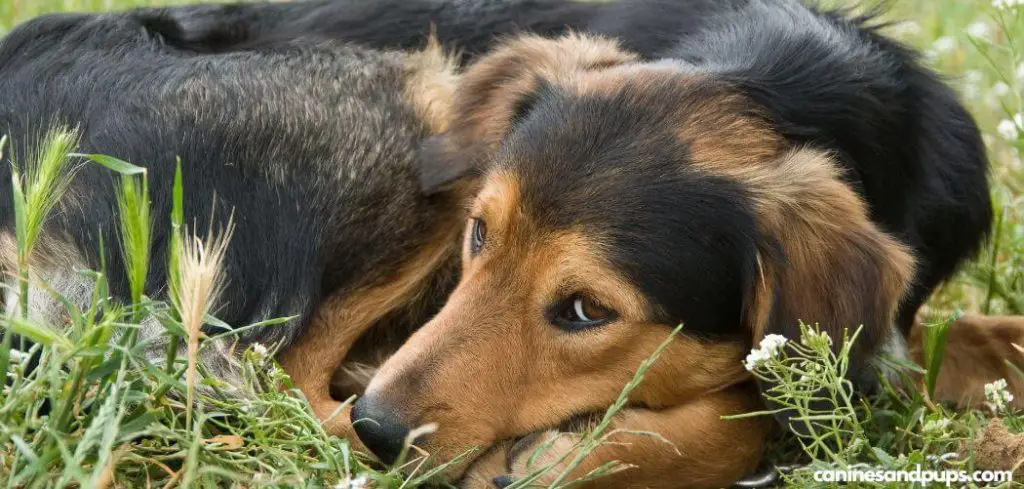
Dog Vomiting After Bordetella Vaccine: Common Causes
Immune System Inflammatory Response
After the Bordetella vaccine, the immune system rapidly activates to build protection against kennel cough bacteria.
This sudden immune surge releases cytokines and inflammatory chemicals into the bloodstream, which can irritate the stomach lining and trigger nausea.
Dogs experiencing this type of reaction often seem tired, warm, and uncomfortable before vomiting occurs.
The inflammation can temporarily disrupt normal digestion, causing food and stomach acids to be expelled even when the dog has not eaten recently.
While mild immune-related vomiting often resolves within a day, stronger reactions can persist longer and make dogs feel quite ill.
Related: Dog Coughing After Bordetella Vaccine (Why it happens)
Histamine Release and Allergic-Type Reaction
Some dogs are sensitive to the proteins and stabilizers inside vaccines. When the immune system mistakenly treats those ingredients as allergens, it releases histamine, which increases blood vessel permeability and stimulates nausea centers in the brain.
This is why vomiting may appear alongside itching, facial swelling, hives, or watery eyes. In these cases, the stomach reacts as part of a whole-body allergic response rather than a simple upset stomach.
These reactions can escalate quickly, so repeated vomiting or visible swelling should never be ignored after vaccination.
Stress-Induced Gastrointestinal Upset
A trip to the vet, restraint during injection, and unfamiliar smells and sounds can be extremely stressful for some dogs.
Stress hormones like cortisol and adrenaline directly affect stomach acid production and gut movement.
After the Bordetella shot, this stress response can continue, causing delayed nausea and vomiting even hours later.
Dogs that are naturally anxious or sensitive tend to be more affected, and the combination of stress plus immune activation can overwhelm their digestive system. This is why some dogs vomit at home even though they seemed fine at the clinic.
Vaccine Adjuvant Irritation
The Bordetella vaccine contains substances designed to make the immune system react more strongly so the protection lasts longer.
These adjuvants can irritate tissues and trigger systemic side effects, including stomach inflammation.
When the gut becomes irritated, it sends signals to the brain to induce vomiting as a protective reflex.
Dogs affected by adjuvant sensitivity may also appear achy, restless, or unwilling to eat, which further contributes to nausea. This reaction is more common in small dogs and dogs receiving multiple vaccines at once.
Delayed Hypersensitivity Reaction
In some dogs, vomiting does not happen right away but develops one to three days after the Bordetella vaccine.
This delayed reaction happens when immune cells mount a slower, deeper response that affects the digestive tract. The stomach and intestines become inflamed, leading to vomiting, diarrhea, and abdominal discomfort.
Because this reaction is not immediate, many owners do not realize it is vaccine-related.
However, when vomiting appears within a few days of vaccination, this immune-mediated process is often responsible.
Underlying Health Conditions Triggered by the Vaccine
If a dog already has mild gastrointestinal disease, liver issues, kidney problems, or inflammatory bowel disease, the Bordetella vaccine can tip the balance and trigger vomiting.
The immune stress of vaccination puts extra strain on the body, making hidden conditions suddenly show symptoms.
These dogs may vomit more frequently, refuse food, and appear more lethargic than expected. In these cases, the vaccine did not cause the disease but revealed a problem that was already there.
Related: Dog Has Kennel Cough With Bordetella Vaccine (Here’s why)
What to Do If Your Dog Is Vomiting After Bordetella Vaccine
Start by withholding food for several hours to give the stomach time to settle, but always make sure your dog has access to small amounts of water to prevent dehydration.
If your dog continues to vomit after drinking, stop offering fluids temporarily and contact your veterinarian for guidance.
Keep your dog in a quiet, comfortable space where they can rest without stimulation. Physical activity can worsen nausea and delay recovery, so gentle confinement and calm surroundings help the body recover from the immune reaction.
Monitor your dog’s behavior closely for changes such as lethargy, facial swelling, diarrhea, coughing, or difficulty breathing. These signs provide important clues about whether the vomiting is mild or part of a more serious reaction.
Once vomiting has stopped for several hours, you can offer a small amount of bland food such as boiled chicken and rice, if approved by your veterinarian. Introducing food slowly helps avoid triggering another episode of vomiting.
Avoid giving any human medications or anti-nausea drugs unless your veterinarian specifically instructs you to do so. Many common medications are dangerous for dogs and can worsen vaccine reactions.
When to Call or Visit Your Vet
If vomiting happens more than once or continues for longer than 12 to 24 hours after the Bordetella vaccine, your dog needs veterinary care. Persistent vomiting can lead to dehydration and electrolyte imbalances that become dangerous quickly.
Call your veterinarian immediately if vomiting is accompanied by facial swelling, hives, trouble breathing, collapse, or extreme weakness. These signs indicate a potentially life-threatening allergic reaction.
Seek urgent care if your dog cannot keep water down, appears very lethargic, or refuses all food for an entire day after vaccination. These symptoms suggest a more serious systemic reaction.
Blood in the vomit, severe abdominal pain, or continuous retching are emergency signs that should never be waited out at home, even if they started after a vaccine.
Read more: Dog side effects after vaccines (Possible reactions explained)
Key Takeaway
Vomiting after the Bordetella vaccine is often caused by the immune system, stress, or a temporary allergic-type response to the shot, but it should never be brushed off.
While many dogs recover with rest and gentle care, some reactions can become serious very quickly.
Watching your dog closely and acting early when symptoms worsen is the best way to keep them safe and comfortable as their body responds to the vaccine.