
Seeing your dog throw up yellow liquid and refuse food can be alarming. The yellow substance is typically bile—a digestive fluid produced by the liver.
While occasional bile vomiting might not mean something serious, when it’s paired with appetite loss, it may point to an underlying issue that needs attention.
Table of Contents
Dog Throwing Up Yellow and Not Eating: Why It Happens
A dog throwing up yellow and not eating may be suffering from empty stomach syndrome, gastrointestinal inflammation, pancreatitis, intestinal parasites, liver disease, or stress.
Bile can irritate the stomach lining, especially when it’s empty for too long—leading to nausea, vomiting, and refusal to eat.
While it might start as something minor, this combination of symptoms can indicate something more serious in many cases.
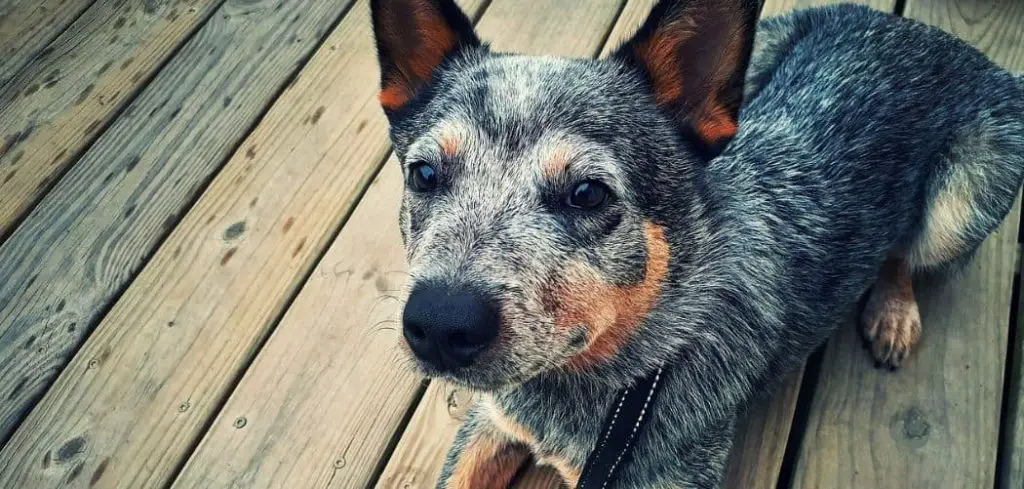
Dog Throwing Up Yellow and Not Eating: Common Causes
1. Empty Stomach Syndrome (Bilious Vomiting Syndrome)
Dogs who go too long between meals—especially overnight—may vomit yellow bile in the morning.
This is known as bilious vomiting syndrome. It happens when the stomach is empty and bile accumulates, irritating the stomach lining.
Dogs experiencing this may refuse breakfast, act nauseous, and vomit a foamy yellow fluid.
It’s more common in smaller breeds and dogs on once-a-day feeding schedules.
2. Gastrointestinal Inflammation (Gastritis)
Inflammation of the stomach or intestines can cause bile vomiting and loss of appetite.
Your dog might have eaten something irritating, such as garbage, fatty table scraps, or spoiled food.
Even sudden diet changes can lead to gastritis. Dogs with this condition often appear nauseous, lick their lips frequently, and avoid eating due to discomfort.
The vomiting can be sporadic or frequent, depending on the severity.
Related: Dog vomiting and not eating (Causes and when to worry)
3. Pancreatitis
Pancreatitis causes vomiting, abdominal pain, and a complete refusal to eat. The vomiting may include bile if the stomach is empty.
This condition is particularly common after a dog eats a rich or fatty meal.
Dogs with pancreatitis often show signs like lethargy, hunched posture, trembling, or restlessness.
Without treatment, the condition can lead to dehydration and more severe complications.
4. Intestinal Parasites
Roundworms, hookworms, and Giardia are common parasites that irritate the digestive tract.
Vomiting yellow bile and appetite loss may be early signs of infection.
Puppies and shelter dogs are especially vulnerable, but even adult dogs can be affected—especially if their deworming schedule is inconsistent.
Weight loss, diarrhea, and bloating may also occur.
5. Liver Disease
The liver plays a central role in producing bile and filtering toxins. When liver function declines, dogs may vomit bile, stop eating, and appear sluggish.
Additional signs may include yellowing of the eyes or gums (jaundice), dark urine, or increased thirst.
Liver disease is more common in older dogs and those with pre-existing health conditions, and it should be evaluated quickly.
6. Anxiety or Stress
Stress can take a toll on your dog’s digestive system. Vomiting yellow bile and not eating are sometimes linked to changes in routine, separation anxiety, boarding, or even loud noises.
While stress-related vomiting usually resolves once the trigger is removed, it’s important to monitor your dog and ensure no underlying medical issue is being masked by behavioral signs.
7. Toxin Ingestion
Ingesting toxic substances can also cause vomiting, including yellow bile if the stomach is empty.
Dogs may avoid food instinctively after ingesting something harmful.
Common household toxins include chocolate, xylitol, certain plants, and cleaning products.
If your dog is vomiting bile, lethargic, and showing other odd behavior, contact your vet immediately.
Dog Throwing Up Yellow and Not Eating or Drinking
A dog that is vomiting yellow liquid and refusing both food and water is showing signs of significant gastrointestinal distress.
The yellow vomit is usually bile, which can appear when the stomach is empty or irritated.
Common causes include severe gastroenteritis, pancreatitis, intestinal obstruction, toxin exposure, liver disease, or other serious illnesses. Refusing both food and water greatly increases the risk of dehydration.
This combination of symptoms should be treated as urgent, especially if vomiting is frequent, the dog appears weak, or symptoms persist for more than a few hours.
Dog Throwing Up Yellow and Not Eating and Diarrhea
When a dog is vomiting yellow bile, refusing food, and has diarrhea, the digestive system is often significantly inflamed.
Possible causes include dietary indiscretion, bacterial or viral infections, parasites, pancreatitis, inflammatory bowel disease, or toxin ingestion.
The combination of vomiting and diarrhea can lead to rapid fluid loss and dehydration.
Veterinary care is needed, particularly if the diarrhea is severe, contains blood, or the dog becomes lethargic.
Puppy Throwing Up Yellow and Not Eating
A puppy vomiting yellow bile and refusing food is especially concerning because puppies can become dehydrated and weak much faster than adult dogs.
Causes may include intestinal parasites, viral infections such as parvovirus, dietary upset, low blood sugar, or gastrointestinal obstruction. Because yellow bile often indicates an empty stomach, prolonged refusal to eat can make vomiting worse.
Any puppy that repeatedly vomits and stops eating should be evaluated by a veterinarian as soon as possible.
Old Dog Throwing Up Yellow and Not Eating
In senior dogs, yellow vomiting combined with loss of appetite may indicate underlying health conditions such as kidney disease, liver disease, pancreatitis, cancer, gastrointestinal disease, or severe infections.
Older dogs are more likely to have chronic illnesses that can cause nausea and reduced appetite.
Even if the symptoms seem mild initially, senior dogs can deteriorate more quickly than younger dogs.
A veterinary examination is needed, particularly if vomiting continues or the dog becomes lethargic.
Dog Throwing Up Yellow and Not Eating: What to Do
If your dog seems alert and the vomiting has just started, try the following steps for the next 12–24 hours:
Withhold food for 12 hours to allow the digestive system to rest. Water should still be available unless vomiting occurs immediately after drinking.
Offer small amounts of water or ice cubes throughout the day to prevent dehydration.
Reintroduce food slowly with a bland diet (e.g., boiled chicken and white rice) in small, frequent portions after the rest period.
Feed smaller meals more frequently moving forward—this helps reduce bile buildup.
Avoid fatty or rich treats, which can trigger bile vomiting or make it worse.
Use a slow-feeder bowl if your dog tends to gulp food, as that can contribute to gastrointestinal upset.
These strategies can often resolve simple cases of bile vomiting—especially if caused by hunger or a mild stomach upset.
When to Call or Visit Your Vet
Call your vet if:
Your dog throws up yellow bile more than once in a 24-hour period.
Refusal to eat continues past one meal.
Vomiting is accompanied by lethargy, diarrhea, trembling, or whining.
Your dog appears in pain, bloated, or is pacing/restless.
Vomit contains blood or has an unusually foul odor.
You suspect your dog ingested something toxic.
Your dog is very young, elderly, or has known health issues.
Your vet may perform blood work, X-rays, or ultrasounds to determine the underlying cause and recommend appropriate treatment, which may include anti-nausea medication, IV fluids, or hospitalization in severe cases.
Related: Dog Vomiting White Foam and Not Eating: What to Do
Read more: Old Dog Vomiting After Drinking Water and Not Eating (What it means)
Dog Throwing Up Yellow and Not Eating: Treatment
Treatment depends on the underlying cause of the vomiting and appetite loss. The veterinarian may recommend fluid therapy to prevent dehydration, anti-nausea medications, stomach protectants, and a bland diet once vomiting is controlled.
More serious conditions, such as pancreatitis, intestinal blockages, infections, or organ disease, may require hospitalization, diagnostic testing, and targeted treatment.
Because yellow vomiting combined with refusal to eat can be a sign of both minor and serious illnesses, veterinary evaluation is the safest way to determine the cause and provide appropriate care.
Key Takeaway
A dog throwing up yellow and not eating is never something to ignore.
While it might be as simple as an empty stomach or stress, it could also point to something more serious like pancreatitis, liver issues, or infection.
Catching the cause early can make treatment more effective—and recovery quicker.
Watch your dog closely, offer comfort and hydration, and don’t hesitate to call your vet if things don’t improve quickly.
You know your dog best—and your quick response can make all the difference.


