
A dog throwing up thick white mucus can be alarming to witness, especially when the vomiting appears sudden or unusual.
While some causes are mild and temporary, others may signal deeper digestive or respiratory issues that need attention.
We outline the common reasons why a dog may throw up thick white mucus, what you can do at home, and when to seek veterinary help.
Table of Contents
Dog Throwing Up Thick White Mucus: Why It Happens
Vomiting thick white mucus in dogs is usually a response to irritation or inflammation in the stomach and digestive tract.
This mucus, often appearing foamy or gelatinous, can accumulate when the stomach lining is irritated by acid, infection, or foreign material. It may also appear if a dog eats on an empty stomach, swallows excessive hair, or experiences gastrointestinal motility issues.
Other causes, such as systemic illnesses, kidney or liver problems, or pancreatitis, can exacerbate vomiting and mucus production.
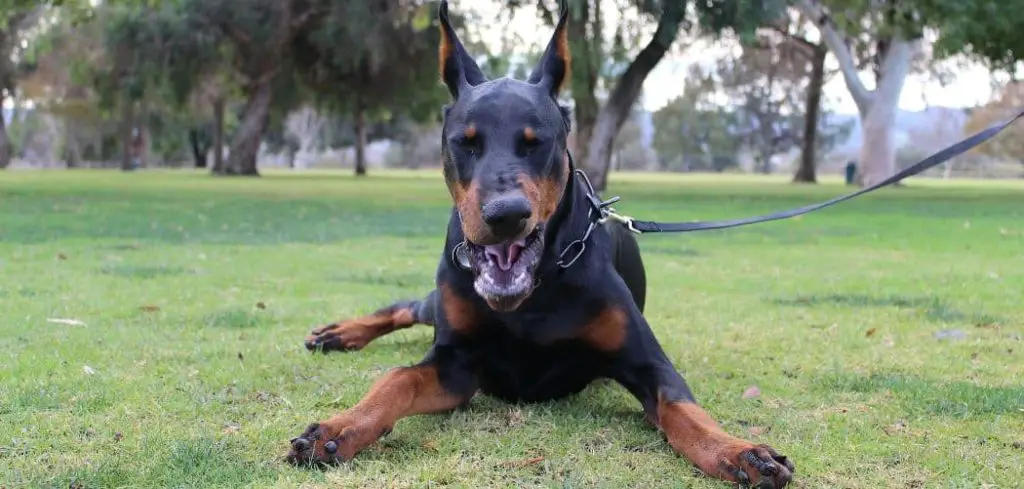
Dog Throwing Up Thick White Mucus: Common Causes
Gastritis
Gastritis is inflammation of the stomach lining and is one of the most common causes of vomiting thick white mucus.
Irritation can result from dietary indiscretion, ingestion of spoiled food, toxins, or certain medications.
Dogs may vomit mucus in the morning before eating, act lethargic, refuse food, or show signs of abdominal discomfort.
Gastritis can be mild and self-limiting but may require veterinary care if vomiting persists or is severe, to prevent dehydration and address the underlying cause.
Related: Dog throwing up bile and blood (Here’s why)
Empty Stomach or Bile Reflux
Vomiting thick white mucus often occurs when a dog’s stomach is empty for long periods.
Bile and stomach secretions can irritate the stomach lining, prompting mucus production.
You may notice this symptom most in the morning or late at night. While occasional vomiting on an empty stomach is not usually dangerous, frequent episodes can lead to discomfort and nutrient loss.
Adjusting feeding schedules with smaller, more frequent meals can help reduce symptoms.
Read more: Dog Throwing Up Bile and Not Eating (Why It Happens)
Hairballs or Foreign Material
Dogs that groom excessively or chew on objects may ingest hair or foreign material that irritates the stomach.
The body responds by producing mucus and attempting to expel the irritant through vomiting.
Signs include gagging, retching, and occasionally coughing or choking along with mucus.
This condition is generally not life-threatening but can become serious if the obstruction persists, requiring veterinary evaluation for removal.
Gastrointestinal Infections
Bacterial, viral, or parasitic infections can inflame the digestive tract, causing vomiting and mucus production.
Dogs may also display diarrhea, fever, lethargy, or loss of appetite. Common infections like parvovirus in puppies or bacterial overgrowth in adults can rapidly become serious.
Veterinary diagnosis is important to guide treatment, which may include hydration support, antibiotics, or other targeted therapies.
Pancreatitis
Pancreatitis is inflammation of the pancreas that interferes with digestion and often leads to vomiting thick white mucus.
Dogs may also experience abdominal pain, lethargy, and reduced appetite. This condition can be triggered by high-fat meals, obesity, or certain medications.
Pancreatitis can be life-threatening if not treated promptly, requiring hospitalization, fluid therapy, and dietary management.
Kidney or Liver Disease
Chronic kidney or liver disease can lead to toxin buildup in the body, causing nausea and vomiting mucus.
Affected dogs often show additional signs like increased drinking and urination, jaundice, weight loss, and decreased activity.
Vomiting mucus in these cases is a red flag indicating systemic illness that must be addressed by a veterinarian with diagnostic testing and a tailored treatment plan.
Dog Throwing Up Thick White Mucus but Acting Normal
If a dog is vomiting thick white mucus but otherwise acting normal, it is often due to mild stomach irritation rather than a serious illness. The mucus typically comes from the stomach lining reacting to acid buildup, an empty stomach, eating too fast, or a minor dietary upset.
Some dogs may vomit this in the morning or between meals. As long as the dog remains active, eating, and drinking normally, it may be temporary. However, repeated episodes can indicate ongoing irritation that should be monitored.
Dog Vomiting White Mucus and Diarrhea
When vomiting white mucus is combined with diarrhea, it usually suggests a broader digestive upset affecting both the stomach and intestines.
Common causes include dietary indiscretion (eating something unusual), infections, parasites, food intolerance, or inflammation of the gastrointestinal tract.
This combination increases the risk of dehydration, especially if symptoms are frequent. Additional signs may include lethargy, reduced appetite, or abdominal discomfort. Persistent vomiting and diarrhea should be taken more seriously than vomiting alone.
Dog Throwing Up Thick White Mucus with Food
Vomiting thick white mucus along with food often indicates irritation or inflammation in the stomach. The mucus is produced by the stomach lining in response to irritation, while the presence of undigested food suggests the stomach is not processing meals properly.
Common causes include gastritis, eating too quickly, dietary intolerance, sudden food changes, or mild infection.
In some cases, it may also occur if the dog eats something that upsets the stomach. If this happens occasionally and the dog remains active, it may be mild, but repeated episodes suggest ongoing digestive irritation.
Dog Throwing Up Thick White Mucus with Blood
When thick white mucus is mixed with blood, it is a more serious sign that may indicate damage or irritation in the digestive tract.
The blood may appear as red streaks or a pinkish tint and can result from severe vomiting, stomach ulcers, infections, toxin ingestion, or injury to the stomach lining.
In some cases, persistent irritation can cause small blood vessels to rupture. This combination should be taken seriously, especially if vomiting is frequent or accompanied by lethargy, loss of appetite, or weakness.
Dog Throwing Up Thick White Mucus Bile
Vomiting thick white mucus mixed with bile (often yellow or green fluid) usually points to an empty, irritated stomach. This can occur when a dog goes long periods without eating, leading to acid buildup and nausea.
It may also be associated with gastritis, digestive upset, or mild intestinal irritation. Dogs may vomit in the morning or between meals when the stomach is empty.
While occasional episodes may be manageable, frequent vomiting of mucus and bile can indicate a need for dietary adjustment or further evaluation.
Dog Throwing Up Thick White Mucus after Eating
Vomiting thick white mucus shortly after eating may indicate that the stomach is reacting to food.
Causes can include eating too quickly, food intolerance, spoiled food, or inflammation of the stomach lining.
In some cases, regurgitation (where food comes back up without full digestion) may be mistaken for vomiting.
Dogs may also produce mucus as a protective response to irritation. If this occurs repeatedly after meals, it may suggest the need to adjust feeding habits, meal size, or diet, or to check for underlying digestive issues.
Dog Throwing Up Thick White Mucus: What to Do
Start by monitoring your dog’s behavior, frequency of vomiting, and other symptoms. This information is crucial for your veterinarian to make an accurate diagnosis.
Ensure your dog has access to clean water to prevent dehydration. Withhold food for a short period, usually 6–12 hours, to allow the stomach to settle, then gradually reintroduce a bland diet like boiled chicken and rice.
Maintain a calm, stress-free environment, as stress can exacerbate digestive upset. Keep a close eye on any changes in behavior, appetite, or additional symptoms like diarrhea or lethargy, and document these for your vet.
When to Call or Visit Your Vet
Contact your veterinarian if vomiting persists for more than 24 hours, is accompanied by lethargy, diarrhea, fever, or if your dog shows signs of dehydration such as sunken eyes or dry gums.
Seek immediate care if your dog vomits blood, has difficulty breathing, collapses, or shows sudden changes in behavior or consciousness.
Puppies, senior dogs, and dogs with pre-existing conditions are particularly vulnerable and should be evaluated promptly.
Early veterinary intervention can prevent serious complications and ensure the underlying cause is properly addressed.
Read more: Dog Throwing Up and Diarrhea (Causes and what to do)
Dog Throwing Up Thick White Mucus: Treatment
Treatment depends on the cause but often begins with supporting the digestive system.
Mild cases may be managed with a short fasting period (as advised), followed by small amounts of a bland diet such as boiled chicken and rice.
Providing small, frequent meals can help reduce stomach acid buildup. Your veterinarian may recommend anti-nausea medication, stomach protectants, or probiotics to soothe the digestive tract.
If infection, parasites, or more serious conditions are suspected, further testing and targeted treatment may be needed. Persistent or worsening symptoms should always be evaluated.
Dog Vomited White Foam and Died
Vomiting white foam before death can occur in severe, life-threatening conditions, but it is not a diagnosis on its own.
White foam usually represents stomach fluid mixed with air or mucus, and it may be seen when the stomach is empty but irritated.
In critical cases, it can be associated with conditions such as poisoning, severe infection, organ failure, internal bleeding, gastric dilatation (bloat), or airway distress.
Dogs may also show additional signs like weakness, collapse, difficulty breathing, seizures, or extreme lethargy before death. While the vomiting itself is a symptom, the underlying cause is typically a serious emergency that progresses rapidly.
Key Takeaway
Vomiting thick white mucus in a dog is usually a sign of stomach irritation or an underlying medical condition, ranging from mild gastritis to serious systemic diseases like pancreatitis or kidney failure.
At-home care includes monitoring symptoms, providing hydration, managing feeding schedules, and maintaining a calm environment.
Immediate veterinary evaluation is crucial if symptoms persist, worsen, or are accompanied by other warning signs. By understanding the potential causes and acting quickly, you can help your dog recover comfortably and safely.


