
Seeing your dog vomit food can be unsettling, even if she seems happy, active, and otherwise healthy.
Occasional vomiting may not indicate a serious problem, but repeated episodes should be observed carefully to ensure there’s no underlying health issue.
We explain the most common reasons why a dog may throw up food but act normal, what you can do at home, and when to involve your veterinarian.
Dog Throwing Up Food but Acting Normal: Why It Happens
A dog vomiting food while otherwise acting normal may be experiencing minor digestive irritation, eating too quickly, or dealing with mild underlying conditions. Many healthy dogs occasionally regurgitate or vomit due to eating habits, minor stomach upset, or irritation in the esophagus.
Less commonly, conditions such as food intolerance, gastritis, or structural issues in the digestive tract can cause vomiting without affecting energy levels.
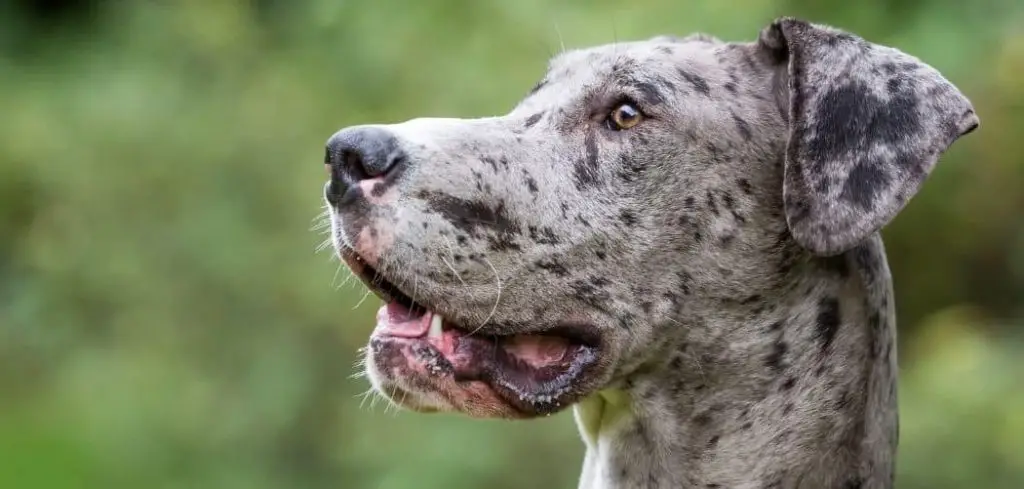
Dog Throwing Up Food but Acting Normal: Common Causes
Eating Too Quickly
Many dogs swallow large amounts of food quickly, which can cause regurgitation shortly after eating.
Rapid eating may prevent the stomach from processing food properly, leading to vomiting of undigested kibble or meals.
Dogs often appear completely normal afterward, resuming play and drinking water as usual. Slowing down mealtime with slow feeders or smaller portions can prevent repeated episodes.
Related: Dog throwing up and diarrhea (Common causes explained)
Minor Gastrointestinal Irritation
Mild stomach upset or gastrointestinal irritation can cause a dog to vomit food but remain active.
Causes may include eating something unusual, a sudden change in diet, or mild inflammation from food sensitivities.
Dogs may show brief signs of discomfort, such as gagging or lip licking, but continue normal behavior afterward. While generally not serious, repeated vomiting warrants attention to diet and feeding habits.
Hairballs or Foreign Objects
Dogs occasionally regurgitate hairballs, plant material, or small objects swallowed during play.
This can cause vomiting without affecting energy or appetite, especially if the item passes naturally through the esophagus.
Recurrent vomiting may indicate a foreign object stuck in the digestive tract or hairball accumulation that requires veterinary removal or treatment.
Esophageal Issues
Conditions affecting the esophagus, such as megaesophagus or esophageal motility disorders, can lead to vomiting undigested food.
Dogs with these conditions often act normally between episodes, eating and drinking without noticeable discomfort.
These structural or functional issues can delay or disrupt food movement into the stomach, causing repeated regurgitation or vomiting.
Food Intolerance or Sensitivity
Some dogs react to certain ingredients or additives in their food, resulting in vomiting after meals.
Unlike an acute illness, food intolerance allows the dog to appear normal after vomiting, showing no lethargy or appetite loss. Identifying and eliminating trigger foods can prevent further episodes, often requiring trial-and-error or guidance from a veterinarian.
Mild Gastritis
Gastritis, inflammation of the stomach lining, can be caused by minor infections, irritation, or dietary indiscretion.
Dogs may vomit food but continue their usual activities and eating patterns. While mild cases resolve with supportive care, chronic gastritis may require dietary management or veterinary intervention to prevent complications.
Related: Dog throwing up bile and not eating (Here’s why)
What to Do If Your Dog Is Throwing Up Food but Acting Normal
Observe your dog closely and keep track of when vomiting occurs and what was eaten. Feed smaller, more frequent meals and ensure she eats slowly, possibly using a slow feeder bowl to reduce regurgitation from rapid eating.
Maintain a consistent diet and avoid giving treats, human food, or other items that could upset the stomach.
Ensure she has access to clean water, monitor for other subtle signs like drooling, gagging, or bloating, and avoid stressful situations that may trigger vomiting.
If hairballs or small ingested objects are suspected, gentle grooming and close observation are important. Document episodes and seek veterinary advice if vomiting increases or persists.
When to Call or Visit Your Vet
Seek veterinary attention if vomiting becomes frequent, severe, or is accompanied by lethargy, diarrhea, blood in vomit, or loss of appetite.
Immediate evaluation is necessary if your dog shows signs of dehydration, abdominal pain, difficulty swallowing, or continuous vomiting that does not resolve.
Dogs with suspected foreign objects, esophageal conditions, or chronic vomiting require prompt professional assessment and diagnostic testing.
Read more: Dog Vomiting at Night but Acting Normal (Understanding When to Worry)
Key Takeaway
A dog throwing up food but acting normal can result from eating too quickly, minor gastrointestinal irritation, hairballs, esophageal issues, food intolerance, or mild gastritis.
While your dog may appear healthy, monitoring the frequency and circumstances of vomiting is crucial.
Maintaining a consistent diet, feeding smaller meals, slowing eating, and seeking veterinary evaluation when episodes persist or worsen helps ensure your dog remains comfortable and healthy.
Prompt attention and careful observation are key to managing minor and more serious causes effectively.