
When a dog is throwing up after a rabies shot, it can understandably worry any dog owner.
Vomiting after vaccination is not extremely common, but it can occur, and knowing why it happens can help you take the right next steps.
We outline the common causes of vomiting in dogs after a rabies shot, what you can do at home, and when it’s best to involve your veterinarian.
Table of Contents
Dog Throwing Up After Rabies Shot: Why It Happens
A dog throwing up after a rabies shot is usually reacting to immune system stimulation, mild stress, or sensitivity to vaccine ingredients.
Some dogs may also vomit due to anxiety from the vet visit, an unrelated digestive issue happening at the same time, or a true allergic reaction.
While most vomiting episodes are mild and temporary, repeated vomiting or sudden severe symptoms require prompt veterinary attention because reactions can progress quickly, especially in sensitive dogs.
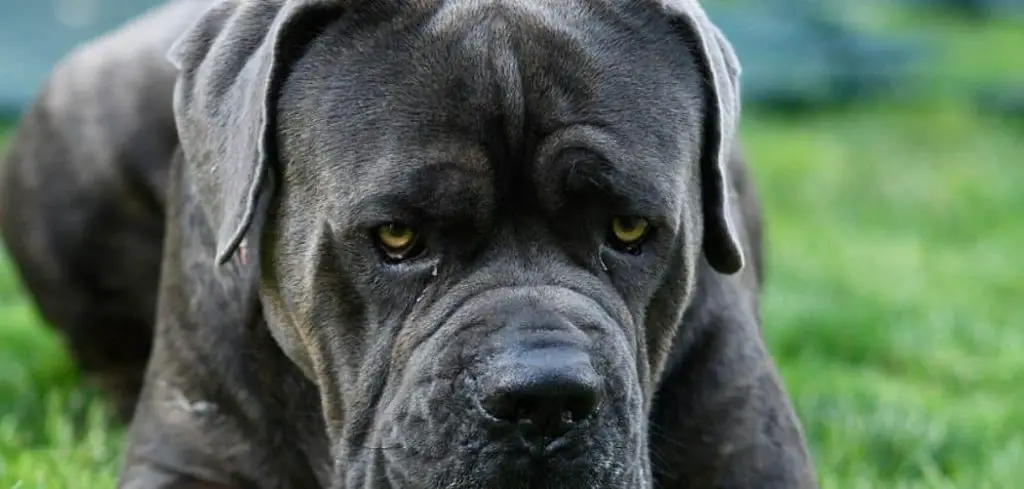
Dog Throwing Up After Rabies Shot: Common Causes
Immune System Response to the Vaccine
The rabies vaccine stimulates the immune system to build antibodies, and for some dogs, this immune activation can create short-term inflammation.
This inflammation may affect the stomach or upper digestive tract, leading to nausea or vomiting within a few hours of receiving the shot.
Dogs may also show mild lethargy, decreased interest in food, or slight fever as the immune system adjusts.
Most immune-related vomiting episodes are mild and short-lived, but in sensitive dogs, the reaction may be more pronounced.
This kind of vomiting typically resolves within 12–24 hours, but persistent vomiting can signal an exaggerated immune response that needs veterinary guidance.
Read more: Dog side effects after vaccines
Sensitivity to Vaccine Ingredients
Some dogs are sensitive not to the rabies virus components, which are inactivated, but to the stabilizers, preservatives, or adjuvants used in the vaccine formulation.
These additives help the vaccine work effectively, but in sensitive dogs, they can cause stomach upset or vomiting shortly after the injection.
This reaction tends to occur within minutes to several hours and may be accompanied by mild facial swelling, itchiness, or discomfort.
Dogs with known allergies, chronic skin issues, or past vaccine reactions are more likely to experience ingredient-related vomiting.
While often mild, this reaction should be documented because future vaccinations may need pre-treatment or alternative protocols to prevent a stronger response.
Read more: Dog Has Diarrhea After Rabies Shot (What it means)
Stress From the Vet Visit
Many dogs find veterinary visits stressful due to unfamiliar sounds, smells, handling, and anticipation.
Stress hormones like cortisol and adrenaline increase during the visit and can directly affect stomach motility.
This surge in stress hormones may cause dogs to throw up either at the clinic or soon after arriving home.
The vomiting may also be paired with panting, pacing, drooling, or trembling, all of which are normal stress indicators.
Although stress-induced vomiting is typically short-lived, the appearance of vomiting right after the rabies shot makes it easy to assume the vaccine itself is the cause.
Allergic Reaction to the Rabies Vaccine
A true allergic reaction to the rabies vaccine is uncommon but serious.
Dogs experiencing an allergic reaction may vomit repeatedly, sometimes violently, as the body responds to the vaccine ingredients.
In moderate to severe reactions, vomiting may be accompanied by hives, facial swelling, diarrhea, drooling, or difficulty breathing.
Symptoms can escalate quickly, sometimes within minutes, which is why monitoring your dog after a rabies shot is important.
Even if the only symptom is vomiting, allergic reactions should never be ignored because they often worsen with future vaccinations unless preventative measures are taken.
Coincidental Stomach Upset or Infection
Dogs often receive rabies vaccinations during routine wellness visits that may also involve deworming, new treats, diet changes, or multiple vaccines.
If your dog already had a sensitive stomach or a brewing issue, the vomiting may coincide with — but not be caused by — the rabies shot.
Common coincidental causes include:
• Eating something inappropriate.
• Parasites.
• Bacterial digestive infections.
• Sudden food changes.
• Reaction to a treat given during the visit.
• Gastritis or acid buildup from anxiety.
Because vomiting in dogs can arise from many unrelated causes, not all cases of throwing up after a rabies shot are truly vaccine related.
If vomiting lasts longer than 24 hours, a fecal exam or digestive evaluation may be needed.
Mild Fever
Some dogs develop a mild fever as part of a normal immune response to the rabies vaccine.
A fever can cause nausea, reduced appetite, and occasional vomiting.
This mild systemic reaction usually appears within 12 hours and resolves quickly as the immune system stabilizes.
However, if the fever becomes high or the vomiting escalates, the reaction may be stronger than normal and should be assessed by a veterinarian.
Systemic reactions are not dangerous when mild, but monitoring your dog’s hydration and energy level is important while symptoms pass.
Related: Dog diarrhea after vaccines (Why it happens)
Dog Throwing Up Blood After Rabies Shot
A dog throwing up blood after a rabies vaccination is not a typical vaccine reaction and should be treated as a medical concern.
Mild side effects after vaccination may include temporary tiredness, reduced appetite, mild fever, or soreness around the injection site.
However, blood in vomit may indicate gastrointestinal irritation, an ulcer, a bleeding disorder, toxin exposure, or another underlying condition that may be unrelated to the vaccine.
In rare cases, a serious allergic reaction can occur after vaccination, usually with additional signs such as facial swelling, hives, breathing difficulties, vomiting, or collapse.
If your dog vomits blood after receiving a rabies shot, contact a veterinarian immediately rather than assuming it is a normal reaction.
Puppy Throwing Up After Rabies Shot
A puppy throwing up after a rabies shot may be experiencing a temporary reaction to vaccination, but vomiting can also have other causes. Some puppies develop mild digestive upset, tiredness, or reduced appetite after receiving vaccines as their immune systems respond.
However, repeated vomiting, bloody vomit, severe diarrhea, facial swelling, difficulty breathing, or unusual weakness are not symptoms to dismiss as routine vaccine effects.
Puppies can become dehydrated quickly, particularly if they are unable to keep food or water down.
Contact your veterinarian if your puppy vomits after vaccination, especially if it happens more than once or is accompanied by other symptoms. Seek emergency care if there are signs of an allergic reaction or significant weakness.
What to Do If Your Dog Is Throwing Up After Rabies Shot
If your dog is throwing up after a rabies shot, the first priority is to monitor how often it happens and how your dog behaves between episodes.
If it’s a single vomiting episode and your dog otherwise seems alert, calm, and comfortable, it’s often safe to watch them at home.
Withhold food for a few hours to let the stomach settle, but continue to offer small amounts of water to prevent dehydration.
After a short fasting period, you can offer a small portion of a bland meal such as boiled chicken and rice to ease the stomach.
If your dog keeps this food down and seems comfortable, gradually return to their regular diet.
Give your dog a quiet, stress-free environment.
Dogs recovering from vomiting should avoid strenuous play, excitement, or dietary changes, as these can trigger more stomach upset.
If your dog has a history of vaccine reactions, notify your vet so they can prepare a personalized plan for future vaccinations.
This may involve spacing out vaccines, using antihistamines before the injection, or monitoring your dog at the clinic for a longer period afterward.
Avoid giving human anti-nausea medications, as many are unsafe for dogs.
Only administer medications that your veterinarian has specifically recommended for vomiting.
When to Call or Visit Your Vet
You should call your veterinarian right away if your dog vomits repeatedly or cannot keep any food or water down.
Frequent vomiting after a rabies shot can lead to dehydration quickly, especially in puppies or small breeds.
If vomiting is combined with diarrhea, lethargy, collapse, pale gums, or facial swelling, these may be signs of an allergic reaction that requires urgent treatment.
Difficulty breathing, loud wheezing, or sudden restlessness are also emergency warning signs.
If your dog only vomits once but continues to seem nauseous, drools excessively, or refuses to eat for more than 24 hours, it’s also best to seek veterinary advice.
Prolonged vomiting is rarely normal after a rabies vaccine, and your vet can help determine whether the reaction is mild or part of a more serious underlying issue.
Dogs with chronic digestive diseases should be monitored more closely after vaccinations, and any vomiting in these dogs warrants earlier vet involvement.
When in doubt, contacting your veterinarian ensures prompt and safe care.
Related: Dog throwing up after vaccines (Why it happens)
Dog Throwing Up After Rabies Shot: Treatment
Treatment depends on the severity of the vomiting and whether it is genuinely related to the vaccination or caused by another condition.
Your veterinarian will assess your dog’s overall condition, hydration, and other symptoms, and may recommend blood tests or additional investigations if vomiting is persistent, severe, or contains blood.
Mild reactions may only require observation and supportive care under veterinary guidance, while more serious allergic reactions may require emergency medication and fluid therapy.
If an unrelated digestive illness or another underlying problem is identified, treatment will be directed at that condition.
Always inform the veterinarian when the rabies vaccine was administered and whether your dog has received other vaccinations or medications. Do not give human anti-vomiting medication or other treatments without veterinary approval.
Key Takeaway
Vomiting after a rabies shot is usually a mild and temporary reaction, often associated with stress, immune activation, or ingredient sensitivity.
Most dogs recover quickly with rest, hydration, and a gentle diet, and they return to normal within a day.
However, frequent vomiting or vomiting combined with swelling, trouble breathing, or lethargy requires immediate vet care because these symptoms may indicate an allergic reaction or a more serious issue.
By monitoring your dog closely and seeking help when necessary, you ensure they stay safe, comfortable, and protected after vaccination.


