
A dog suddenly yelping for no reason can be alarming, especially when the sound comes out of nowhere and your dog seems startled or distressed.
Even when nothing obvious seems wrong, unexpected yelping is almost always your dog’s way of communicating discomfort, fear, or confusion.
This guide explains the most common reasons dogs suddenly yelp for no reason, what you can do at home, and when it’s best to involve your veterinarian.
Dog Suddenly Yelps for No Reason: Why It Happens
A dog may suddenly yelp for no reason due to pain, anxiety, startling triggers, phantom sensations, or behavioral responses to stress. Sometimes the cause is minor, such as a sudden cramp or moment of fear, while other times it may be a sign of an injury or a deeper emotional issue.
Dogs also yelp when they are anticipating pain, reacting to unfamiliar sounds, or experiencing a sudden shock to their senses.
Even if it appears random, the behavior always has an underlying cause rooted in either discomfort or emotional distress.
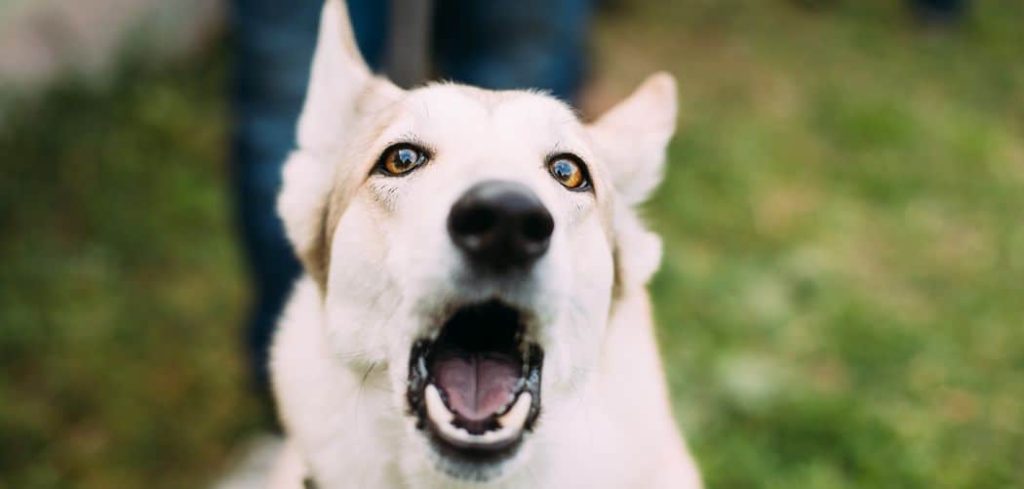
Dog Suddenly Yelps for No Reason: Common Causes
Sudden Startle Response
Dogs can yelp when they are startled by something they didn’t expect. A sudden noise, a quick movement near them, a vibration in the floor, or even a breeze brushing their fur can trigger an intense reaction.
This startle-induced yelp often happens in sensitive or anxious dogs but can occur in any dog depending on the environment.
This type of yelp is typically brief, and the dog may look around in confusion or quickly move away from the perceived threat.
While it can seem random to the owner, the trigger feels very real to the dog in that moment. This cause is more likely if the yelping happens during sleep, sudden wake-ups, or in busy environments.
Related: Dog Suddenly Yelping and Limping (Why it happens)
Anxiety
Dogs with underlying anxiety may yelp suddenly when they feel overwhelmed. This can happen during storms, fireworks, when hearing unfamiliar household sounds, or when strangers approach too quickly.
The yelp is not due to physical pain, but rather an emotional surge that makes the dog vocalize quickly and unexpectedly.
Anxious dogs may also yelp when anticipating something stressful. This includes being picked up, going to the vet, or even hearing a loud voice. The sudden yelp is the dog’s way of expressing fear or discomfort and may be accompanied by trembling, hiding, or pacing.
Because anxiety builds silently, owners may not always see the trigger, making the episode appear “out of nowhere.”
Momentary Pain or Sensitivity
Behavioral yelping can still be triggered by brief, fleeting sensations. A dog may experience a quick muscle cramp, nerve twinge, or sudden hypersensitivity on their skin.
Even if the issue resolves within seconds, the dog reacts with a sudden yelp because the sensation is sharp and unexpected.
This can be common in dogs that:
- Experience muscle stiffness.
- Have mild injuries they hide well.
- Have heightened sensitivity in certain areas.
The dog may return to normal immediately afterward, making it easy to dismiss — but the behavior is still rooted in an internal sensation.
You may notice your dog briefly looking back at their body, licking a specific area, or shaking off discomfort before going back to normal.
Attention-Seeking Behavior
Some dogs learn that a sudden yelp gets an immediate reaction from their owners. If a dog yelped once due to genuine discomfort and received lots of attention, they may repeat the behavior later when they want reassurance, affection, or interaction.
This behavior is especially common in dogs who:
- Struggle with separation anxiety.
- Become overly attached to their owners.
- Are reinforced for vocalizing.
- Feel insecure or uncertain
A behaviorally motivated yelp usually happens when the owner is near or when the dog wants something — such as being picked up, going outside, or receiving comfort.
However, attention-seeking does not mean manipulation; it is still an emotional expression of need.
Phantom Sensations or “Memory Pain”
Dogs sometimes vocalize because they anticipate discomfort rather than actually experiencing it.
If your dog has been hurt in the past — such as a paw being stepped on or a sensitive area being touched — the memory of that sensation may cause a sudden yelp when the dog expects it to happen again.
This is a learned behavioral response and can occur even when nothing physically harmful happens in the moment.
Phantom or anticipatory yelping is often seen when:
- You reach toward a previously painful area.
- Dogs jump off furniture.
- Dogs are touched unexpectedly.
- Dogs are being groomed
The dog yelps because they ‘think’ it will hurt again, not because it currently does.
Social Sensitivity and Emotional Reactivity
Some dogs are highly emotionally reactive. These dogs respond intensely to the emotions or actions of the people and animals around them.
A small argument in the home, a sudden change in tone of voice, or tension in the environment may cause the dog to suddenly yelp even though nothing happened to them physically.
Socially sensitive dogs may yelp when another dog growls, when children yell, or when the household feels chaotic. The yelp is a release of emotional tension rather than a pain response.
This cause is often overlooked because the dog’s sensitivity is internal, not external.
Related: Dog constantly barking for no reason (Why it happens)
What to Do If Your Dog Is Suddenly Yelping for No Reason
If your dog suddenly yelps for no reason, the first step is to stay calm and observe carefully. Sudden yelping often stops quickly, but watching your dog’s body language gives you clues about whether the cause is fear, surprise, or a brief discomfort.
Approach your dog gently and speak in a soft voice. If they seem fearful, give them a little space but remain nearby so they feel secure.
Avoid picking them up immediately unless you are certain they feel safe with that interaction, as lifting an anxious or startled dog can make the situation worse.
Check for any obvious signs of injury without forcing the dog into uncomfortable positions.
Lightly run your hand along their body, watching for flinching, stiffening, or avoidance. Even behavior-based yelping can reveal mild discomfort that your dog tries to hide.
If anxiety seems to be the trigger, redirect your dog with calm activities such as slow petting, a food puzzle, or gentle play. Keeping the environment predictable and reducing sudden loud noises can also help decrease surprise yelps.
For dogs who yelp due to emotional reasons like attention-seeking or insecurity, consistent reassurance and routine-building help them feel safer. Reward calm behavior and avoid overreacting to the sudden yelp, as this can unintentionally reinforce the behavior.
When to Call or Visit Your Vet
Even when the cause appears behavioral, certain signs mean you should involve your veterinarian.
Contact your vet promptly if your dog’s sudden yelping:
- Happens repeatedly throughout the day.
- Occurs when the dog moves a specific body part.
- Comes with shaking, drooling, or hiding.
- Happens during sleep or rest.
- Is accompanied by limping or stiffness.
- Occurs after a fall, jump, or rough play
You should also seek veterinary help if your dog becomes increasingly clingy, anxious, or vocal, as emotional distress can escalate into chronic behavioral issues without proper support.
If the yelping episode includes confusion, collapse, or loss of balance, this requires immediate veterinary attention.
Read more: Dog Excessively Drooling Suddenly (What it means)
Key Takeaway
A dog suddenly yelping for no reason may look mysterious, but the behavior is almost always driven by fear, surprise, emotional sensitivity, or a brief moment of discomfort. Understanding your dog’s environment, body language, and triggers can help you pinpoint why the yelp happened and how to prevent it in the future.
Stay calm, offer reassurance, and monitor for patterns. And if anything feels unusual, persistent, or concerning, your veterinarian can help rule out pain and guide you toward the best behavioral support for your dog.