
A dog suddenly yelping and limping is one of the most worrying situations for dog owners, especially when it seems to happen out of nowhere.
These symptoms usually point to pain or an underlying medical issue that needs attention sooner rather than later.
This guide explains the most common causes of sudden yelping and limping in dogs, what you can do at home, and when it’s best to involve your veterinarian.
Dog Suddenly Yelping and Limping: Why It Happens
A dog suddenly yelping and limping typically happens due to acute pain, soft tissue injury, joint problems, paw trauma, or neurological issues that affect their mobility. Dogs express sudden discomfort vocally, and when paired with limping, the cause is almost always linked to something physically painful.
Sometimes the problem is minor, like stepping on something sharp, while other times it may indicate a serious injury such as a ligament tear or spinal problem.
The yelp signals sudden pain, and the limp shows your dog is trying to avoid using a painful limb.
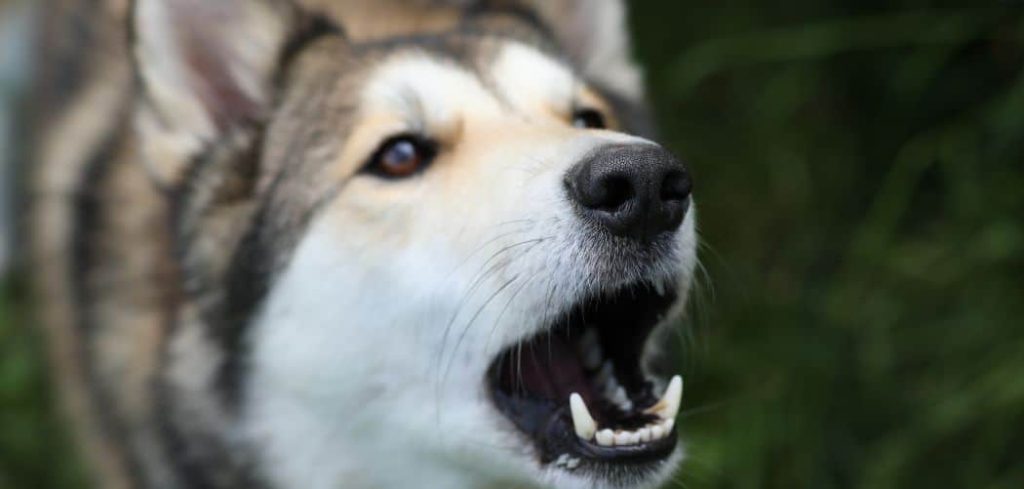
Dog Suddenly Yelping and Limping: Common Causes
Soft Tissue Injury (Sprains and Strains)
Soft tissue injuries are among the most common reasons a dog suddenly yelps and begins limping.
A strain affects muscles or tendons, while a sprain involves the ligaments that stabilize joints.
Dogs can injure these tissues when running, slipping, landing awkwardly after a jump, playing too roughly, or twisting their leg unexpectedly.
The sudden pain from overstretching or tearing tissue causes an immediate yelp, followed by limping as your dog tries to avoid putting weight on the affected area. Some dogs may also hold the leg up, move more slowly, or avoid certain activities.
Although soft tissue injuries vary in severity, they often require rest, monitoring, and sometimes veterinary care if swelling or persistent pain develops.
Related: Dog Suddenly Yelps for No Reason (Here’s Why)
Paw Pad Injuries
A dog may suddenly yelp and limp if something painful happens to their paw.
Paw pads are sensitive, and it only takes a sharp object or unexpected injury to cause immediate pain. Dogs can step on thorns, glass, rocks, metal fragments, or even hot pavement. Splinters or tiny burrs can also get caught between the toes, causing sudden discomfort.
These injuries often cause instant limping as the dog tries to keep pressure off the affected paw. You may notice your dog licking the paw excessively, holding it up, or refusing to walk normally.
Even small paw injuries can feel intense in the moment, leading to a sharp yelp. Checking the paw closely is essential, as many owners initially overlook tiny but painful debris.
Cruciate Ligament Injury (CCL Tear)
A torn cruciate ligament is a more serious cause of sudden yelping and limping. The CCL (similar to a human ACL) is a key ligament that stabilizes a dog’s knee.
When it tears—either partially or fully—it causes a sudden, sharp pain that often makes dogs cry out. They may become non-weight-bearing immediately, holding the leg up or limping heavily.
This injury is common in active dogs, overweight dogs, and dogs who twist while running or jumping. Sometimes the tear occurs gradually, but the moment it worsens produces a sudden yelp.
Without proper treatment, a CCL injury can become progressively worse, leading to chronic pain and joint instability. Sudden limping combined with difficulty rising or sitting is also very suggestive of this condition.
Hip or Knee Dislocation (Luxation)
Joint dislocations cause intense pain, leading to sudden vocalization and immediate limping.
A luxation happens when the joint surfaces partially or fully slip out of place. The hip and kneecap (patella) are the joints most commonly affected in dogs. Even minor movement after a dislocation can trigger a sharp yelp.
Dogs with hip luxation often struggle to bear weight and may stand with the leg positioned awkwardly. With a dislocated kneecap, the dog may suddenly skip, hop, or hold the leg up until the kneecap moves back into place.
Some dogs have inherited tendencies toward patellar luxation, making sudden limping episodes more frequent. Yelping may happen if the kneecap moves abruptly or painfully.
Spinal Pain or Nerve Issues
When the spine or nerves are affected, a dog may suddenly yelp and limp due to sharp radiating pain.
Bulging discs, pinched nerves, spinal inflammation, or early intervertebral disc disease (IVDD) can create shooting pain that causes an instant vocal reaction.
Depending on the location, the dog may limp on a front or back leg, struggle with coordination, or seem stiff and guarded with movement.
Neurological issues can make dogs appear weak, shaky, or wobbly in addition to limping. Sometimes the yelp occurs when the dog moves a certain way, is picked up, or jumps off furniture.
Even mild nerve compression can create intense, sudden pain that results in a startled cry and visible mobility changes.
Arthritis Flare-Up or Joint Pain
Although arthritis is typically chronic, flare-ups can cause sudden yelping and limping.
Cold weather, overexertion, inflammation, or slipping on a slick surface can worsen joint pain unexpectedly. This leads to a sharp moment of discomfort that causes a yelp, followed by stiffness or limping as the dog tries to protect the joint.
Arthritis-related limping may improve as the dog warms up or may worsen after long periods of rest. Dogs may move more slowly, hesitate to climb stairs, or seem reluctant to play.
Even though flare-ups are episodic, they can feel severe in the moment and should be taken seriously.
Related: Dog yelping in pain and not eating (Why it happens)
What to Do If Your Dog Is Suddenly Yelping and Limping
If your dog suddenly yelps and starts limping, begin by staying calm so your dog does not become more distressed.
Approach them slowly and check if they are willing to move toward you. If they seem fearful, keep your voice soft and let them settle before examining them further.
Gently inspect the affected leg and paw, starting from the toes and moving upward. Look for swelling, bleeding, foreign objects, or extreme sensitivity. If you find something stuck in the paw and it is safe to remove it, you can do so, but avoid pulling out anything deep or embedded.
Keep your dog from running, playing, or jumping while the cause is still unknown. Rest is one of the most important first steps in preventing a minor injury from worsening.
Applying a cold compress wrapped in a towel can help reduce swelling and discomfort in soft tissue injuries. However, do not apply ice directly to the skin and never use heat unless advised by a veterinarian.
If your dog is in visible pain, trembling, or unwilling to put weight on the leg, keep them confined to a safe, quiet area until you can seek veterinary care. Avoid giving human pain medications, as many are toxic to dogs.
For dogs who improve with rest, monitor them closely for the next 24 hours. If limping returns, worsens, or becomes intermittent, a veterinary examination is essential to rule out ligament injuries, fractures, or joint problems.
When to Call or Visit Your Vet
You should contact your vet promptly if your dog’s sudden yelping and limping does not improve within a few hours or worsens with movement.
Seek veterinary care immediately if:
- Your dog cannot put any weight on the leg.
- There is visible swelling, bruising, or deformity.
- The pain is severe enough to prevent movement.
- Your dog’s yelping continues when the limb is touched.
- You suspect a fracture, dislocation, or ligament tear.
If limping is accompanied by neurological signs such as wobbliness, dragging toes, difficulty standing, or sudden collapse, go to an emergency vet immediately. These symptoms may indicate a spinal condition requiring urgent intervention.
Persistent limping, repeated episodes of sudden yelping, or signs of severe discomfort are never normal and should always be evaluated as soon as possible.
Read more: Dog is suddenly anxious (What it means and what to do)
Key Takeaway
A dog suddenly yelping and limping is nearly always a sign of acute pain, injury, or a developing medical issue that needs attention.
While some causes are minor and resolve quickly with rest, others—such as ligament tears, paw injuries, or joint problems—require prompt veterinary care to prevent long-term damage.
Monitor your dog closely, limit activity, and seek help if your dog’s pain is severe, persistent, or unexplained.
With quick action and proper care, most dogs recover well and return to comfortable, healthy movement.