
Seeing your dog suddenly wobbly can be alarming and concerning. Sudden wobbliness can make a dog appear unsteady on their feet, struggling to walk, or even stumbling unexpectedly, which can worry dog owners about potential injuries or underlying health issues.
This guide explains the most common reasons dogs become suddenly wobbly, what you can do at home, and when it’s best to involve your veterinarian.
Dog Suddenly Wobbly: Why It Happens
A dog becoming suddenly wobbly is usually a response to a sudden stimulus or discomfort rather than random clumsiness. Common triggers include fear, excitement, pain, or confusion.
Environmental changes, interactions with other pets, or startling noises can also cause a dog to wobble unexpectedly.
Sometimes, it can indicate an underlying medical issue that affects balance or coordination.
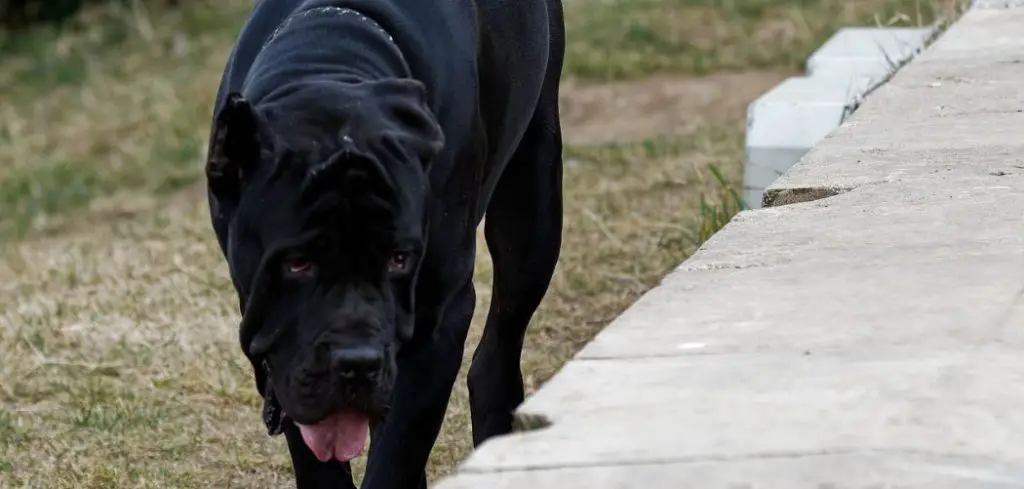
Dog Suddenly Wobbly: Common Causes
Fear or Anxiety
Fear and anxiety are among the most frequent reasons a dog might suddenly wobble. Loud noises like thunderstorms, fireworks, or unfamiliar sounds can startle a dog, causing them to lose their coordination temporarily.
An anxious dog may also exhibit trembling, pacing, or hiding along with the wobbliness.
Over time, repeated episodes of fear-induced wobbling can create a pattern of anxious behavior that affects your dog’s confidence and movement.
Related: Dog suddenly lethargic and wobbly (Here’s why)
Excitement or Overstimulation
Dogs sometimes become wobbly due to heightened excitement or overstimulation. When your dog anticipates playtime, walks, or greeting a family member, their muscles may tense and coordination can momentarily falter.
Puppies and young dogs are particularly prone to this because their motor skills are still developing.
You may notice your dog wobbly and bounding toward you or stumbling after a sudden burst of energy, which is usually harmless if it resolves quickly.
Pain or Discomfort
Sudden wobbliness can also be a response to pain. A dog may wobble when standing or walking if they have an injury, sore joint, or muscle strain.
This behavior often coincides with other signs of discomfort, such as limping, vocalizations like whining or yelping, or reluctance to move.
Pain-induced wobbliness is a protective mechanism to avoid further strain on the affected area. Ignoring these signals may worsen the injury or prolong recovery.
Vestibular or Inner Ear Issues
The inner ear plays a crucial role in balance and orientation. Dogs with vestibular problems or inner ear infections may suddenly appear wobbly, tilt their heads, or lose coordination.
Vestibular disease can occur suddenly in older dogs, sometimes called “old dog vestibular syndrome,” and may be accompanied by nausea, vomiting, or rapid eye movements.
Prompt veterinary assessment is important because some vestibular issues require treatment to prevent complications.
Hypoglycemia or Low Blood Sugar
A sudden drop in blood sugar can make a dog appear wobbly or unsteady. This is more common in small breeds and puppies, especially after long periods without food.
Other signs of low blood sugar include weakness, lethargy, trembling, and sometimes disorientation.
Hypoglycemia can be dangerous if not addressed promptly, so monitoring your dog’s eating schedule and providing small, frequent meals can help prevent episodes.
Neurological Events
Neurological problems, such as seizures, mini-strokes, or brain inflammation, may cause a dog to wobble unexpectedly. These events can affect motor control and coordination, sometimes without obvious warning.
You may notice additional signs like confusion, disorientation, drooling, or unusual eye movements.
While some neurological events are short-lived, others require immediate veterinary intervention to prevent lasting damage.
Read more: Dog Suddenly Limping (What It Means and How to Help)
What to Do If Your Dog Is Suddenly Wobbly
If your dog becomes suddenly wobbly, start by ensuring they are in a safe, comfortable space where they cannot fall or injure themselves.
Observe their behavior closely for any patterns or triggers, such as loud noises, excitement, or interactions with other pets. Avoid forcing them to move if they are hesitant, as this could worsen pain or anxiety.
Providing a calm, reassuring presence can help reduce fear or excitement-induced wobbliness. Gently speaking to your dog, offering treats, or allowing them to settle in a quiet area can help them regain balance and confidence.
If the wobbliness seems linked to low blood sugar, offering a small snack or food can help stabilize them. Keeping a brief record of when the wobbliness occurs, alongside any other symptoms, can be valuable for your veterinarian.
When to Call or Visit Your Vet
Immediate veterinary attention is warranted if the wobbliness is accompanied by other concerning signs. These include persistent stumbling, severe weakness, collapse, yelping or vocalizing in pain, seizures, vomiting, or sudden disorientation.
Sudden changes in mobility or coordination, especially in older dogs, should be evaluated promptly to rule out underlying medical conditions.
Even if the wobbliness resolves quickly, recurrent episodes are a signal that your dog may have an underlying condition that requires professional assessment.
A veterinarian can perform a thorough examination, including blood work, neurological testing, or imaging, to identify potential causes and recommend appropriate treatment.
Read more: Dog Suddenly Limping Front Leg (Common Causes Explained)
Key Takeaway
Experiencing your dog suddenly wobbly can be alarming, but understanding the possible causes can help you respond calmly and effectively.
Most cases are linked to temporary fear, excitement, or minor discomfort, and often resolve with reassurance and a safe environment. However, repeated or severe wobbliness can indicate an underlying medical condition that requires veterinary care.
By observing your dog carefully, offering comfort, and seeking professional advice when needed, you can ensure your dog stays safe, healthy, and happy.