
A dog that suddenly stops pooping can be confusing and stressful, especially when your dog normally has regular, predictable bathroom habits.
When bowel movements change suddenly, it often means something is interfering with digestion, hydration, or the ability to pass stool comfortably.
In this guide, we explain the reasons why a dog may suddenly not poop, what you can do and when to seek veterinary care.
Dog Suddenly Not Pooping: Why It Happens
A dog suddenly not pooping is usually dealing with constipation, dehydration, pain, dietary imbalance, or something physically blocking stool from moving through the intestines.
Changes in water intake, fiber levels, and activity all affect how stool forms and moves. Stress and illness can slow the gut, while foreign objects or severe inflammation can stop bowel movements altogether.
Because waste must be eliminated to keep the body healthy, this symptom should always be taken seriously.
Dog Suddenly Not Pooping: Common Causes
Constipation and Hard Stool Buildup
Constipation happens when stool becomes dry, firm, and difficult to move through the colon. This is the most common reason a dog suddenly stops pooping.
When the colon pulls too much water out of the stool, it becomes compacted and stuck. This can happen if your dog is not drinking enough water, eating low-fiber food, or holding in bowel movements.
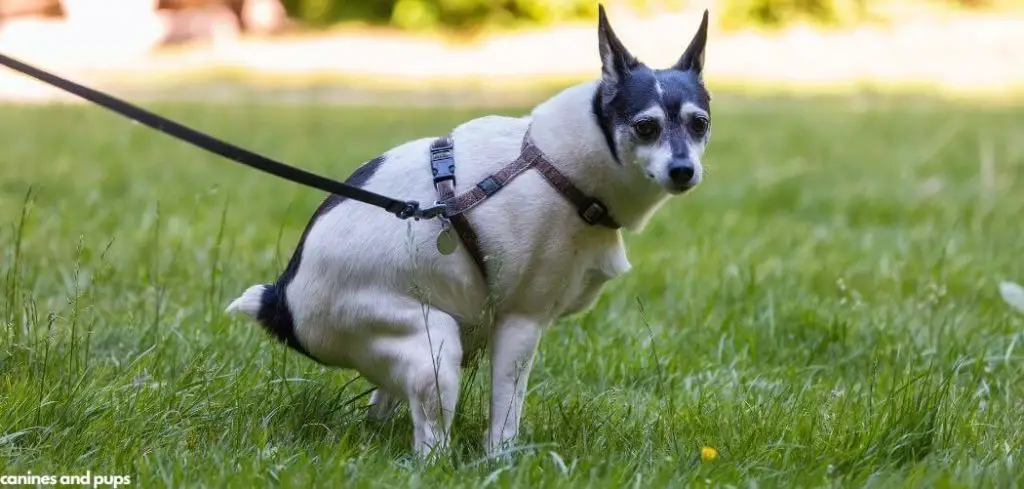
You may see your dog squatting repeatedly with little or no stool coming out. Some dogs strain, cry, or lick their rear end because passing stool hurts.
As stool builds up, the colon stretches and becomes less effective, making constipation worse. If untreated, it can lead to painful impaction and serious complications.
Related: Dog not pooping and not eating (Here’s why)
Dehydration
Water is essential for soft, passable stool. When a dog becomes dehydrated, the body tries to conserve fluids by pulling water out of the colon.
This causes stool to become hard and dry, making it difficult or impossible to pass. Even mild dehydration can quickly lead to constipation.
Signs may include dry gums, thick saliva, reduced urination, and lethargy. Your dog may also drink less than normal.
Dehydration often occurs with vomiting, diarrhea, fever, or heat exposure. When it happens, a dog suddenly not pooping may be one of the first visible signs.
Dietary Changes
The type of food your dog eats directly affects how stool is formed. A sudden change in diet can disrupt normal digestion and bowel movements.
Low-fiber diets lead to slow intestinal movement and small, dry stools. Highly processed foods can also reduce stool bulk.
You may notice that your dog’s stools have become smaller, firmer, or less frequent after switching foods or treats.
Without enough fiber to push waste through the colon, stool stays longer, dries out, and becomes harder to pass.
Pain or Mobility Problems
Pooping requires a dog to squat, engage abdominal muscles, and balance their weight. If a dog has joint pain, back pain, or hip problems, this posture can be uncomfortable.
Dogs with arthritis, spinal issues, or injuries may avoid squatting even when they need to go. This causes stool to be held inside longer than normal.
You may notice stiffness, limping, difficulty standing up, or reluctance to go outside.
Holding stool makes it harder and more painful to pass, creating a cycle where a dog suddenly not pooping becomes worse over time.
Intestinal Blockage
Dogs often swallow things they should not, such as toys, bones, fabric, or plant material. These objects can become lodged in the intestines.
When this happens, stool cannot move through the digestive tract normally. This leads to little or no bowel movement.
You may see vomiting, bloating, abdominal pain, restlessness, or refusal to eat. Some dogs strain but produce nothing.
A blockage is a medical emergency. A dog suddenly not pooping due to obstruction can quickly become life-threatening if not treated.
Stress
Stress can slow down the digestive system. Moving homes, traveling, new pets, or changes in daily routine can affect bowel habits.
Stress hormones reduce intestinal contractions, which makes stool move more slowly through the colon.
You may notice pacing, anxiety, changes in appetite, or clingy behavior.
When digestion slows, stool becomes dry and harder to pass, leading to a dog suddenly not pooping even when there is no physical illness.
Related: Dog pooping bloody mucus but acting normal (What it means)
Dog Suddenly Not Pooping: What to Do
When your dog is suddenly not pooping, make sure fresh water is always available and encourage gentle drinking to prevent dehydration.
Take your dog for short, calm walks to stimulate bowel movement and keep the intestines active.
Offer a balanced diet with enough fiber and avoid switching foods suddenly unless advised by your veterinarian.
Watch for straining, discomfort, or changes in appetite so you can act quickly if things worsen.
When to Call or Visit Your Vet
If your dog has not pooped for more than 48 hours, you should contact your veterinarian.
Seek urgent care if your dog is straining, vomiting, bloated, or showing signs of pain.
A dog suddenly not pooping along with lethargy or appetite loss should be checked right away.
If you suspect your dog swallowed something, do not wait to get veterinary help.
Related: Dog pooping black and not eating (What it means)
Key Takeaway
A dog suddenly not pooping is often caused by constipation, dehydration, diet, pain, or stress, but it can also signal a dangerous blockage or illness. While some causes are mild, others require immediate veterinary care.
By keeping your dog hydrated, comfortable, and closely monitored, and by knowing when to involve your veterinarian, you can protect your dog’s digestive health and overall well-being.