
A dog that suddenly stops moving can be frightening to witness, especially if your dog is normally active or alert.
When movement drops off quickly, it often means pain, weakness, or internal illness is interfering with your dog’s ability to stand, walk, or respond.
In this guide, we explain the reasons why a dog may suddenly not move, and why you should seek veterinary care immediately.
Dog Suddenly Not Moving: Why It Happens
A dog suddenly not moving is usually dealing with pain, injury, neurological problems, illness, or weakness that makes standing or walking difficult or unsafe.
Conditions that affect the spine, joints, nerves, or internal organs can cause sudden immobility.
Fever, infection, or toxin exposure can also drain energy and muscle strength. Because movement is essential for survival, this symptom should always be treated seriously.
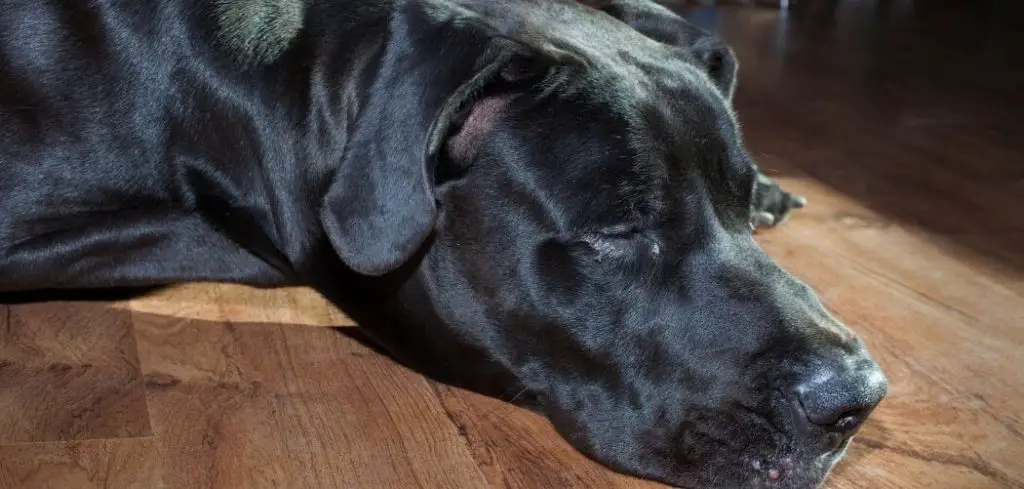
Dog Suddenly Not Moving: Common Causes
Severe Pain
Pain is one of the most common reasons a dog suddenly stops moving. Injuries to muscles, joints, bones, or internal organs can make even small movements unbearable.
A fall, rough play, being hit, or twisting awkwardly can strain ligaments or fracture bones. Even without visible injury, internal pain can be intense.
You may notice crying, shaking, heavy breathing, or guarding behavior. Your dog may refuse to stand or walk.
When pain is severe, dogs instinctively stay still to avoid worsening the injury, making it seem like your dog suddenly not moving for no reason.
Related: Dog Suddenly Lethargic And Not Responding (Why it happens)
Spinal or Disc Problems
Problems in the spine, such as slipped discs or spinal inflammation, can interfere with nerve signals between the brain and legs.
When nerves are compressed, weakness, numbness, or paralysis can occur. Dogs may drag their legs or be unable to rise.
You may see trembling, arched posture, or yelping when touched.
Spinal issues are serious because they can cause permanent damage if not treated quickly, making them a dangerous cause of a dog suddenly not moving.
Neurological Conditions
The brain and nerves control all movement. When something disrupts these systems, mobility can be lost suddenly.
Strokes, seizures, or brain inflammation can make dogs collapse or become unresponsive.
You may notice head tilt, disorientation, twitching, or loss of coordination.
These conditions interfere with signals that tell the muscles to move, which is why a dog suddenly not moving may actually be having a neurological emergency.
Severe Weakness or Collapse
Illnesses such as heart disease, anemia, or low blood sugar can make dogs too weak to move.
When oxygen or nutrients do not reach the muscles and brain properly, the body shuts down movement to conserve energy.
Signs may include pale gums, rapid breathing, or fainting.
Weakness from internal disease is a dangerous reason a dog suddenly not moving requires urgent veterinary care.
Poisoning Exposure
Many toxins affect the nervous system or muscles. This can cause sudden weakness, tremors, or inability to stand.
Common toxins include certain foods, medications, plants, and chemicals. You may see vomiting, drooling, shaking, or confusion.
Poisoning can progress rapidly, making a dog suddenly not moving a medical emergency.
Severe Infection
When infection spreads through the body, it drains energy and causes muscle weakness.
High fever makes dogs feel extremely unwell, leading them to lie still and refuse to move. You may notice shivering, lethargy, or warm ears and paws.
This systemic illness can explain why a dog suddenly not moving seems to shut down.
Related: Dog Suddenly Lethargic And Not Walking (Why sudden immobility happens)
Dog Suddenly Not Moving: What to Do
When your dog is suddenly not moving, keep them calm and avoid forcing them to stand or walk.
Make sure they are in a comfortable, warm place and prevent further injury.
Offer small amounts of water if they are alert enough to drink.
Monitor breathing, responsiveness, and any signs of pain while preparing to seek veterinary help.
Seeking Veterinary Care
If your dog cannot stand or walk, you should seek veterinary care immediately.
Get emergency help if your dog has collapsed, is shaking, or is unresponsive.
A dog suddenly not moving after trauma, toxin exposure, or with breathing difficulty needs urgent attention.
Do not wait if symptoms worsen or do not improve quickly.
Related: Dog Suddenly Stiff And Not Responding (What it means)
Key Takeaway
A dog suddenly not moving is a serious warning sign that something is wrong, whether it is pain, injury, illness, or neurological trouble. This is not something to wait out.
By acting quickly, keeping your dog safe, and involving your veterinarian as soon as possible, you give your dog the best chance for recovery and relief.