
A dog that suddenly refuses kibble can be confusing and stressful, especially when they seem hungry but turn away from their regular food.
When dry food is ignored, it often signals discomfort, nausea, or a change in how the dog perceives taste, smell, or texture.
We explain the reasons why a dog may suddenly not be interested in kibble and what to do.
Dog Suddenly Not Interested In Kibble: Why It Happens
A dog suddenly not interested in kibble usually happens when physical discomfort, nausea, mouth pain, or stress makes dry food difficult or unpleasant to eat.
Because kibble requires chewing and has less moisture and aroma than wet food, dogs with digestive upset, dental pain, or illness often avoid it first.
Many dogs still feel hungry but cannot tolerate the texture or smell of dry food, which is why they may sniff, lick, or walk away from their bowl.
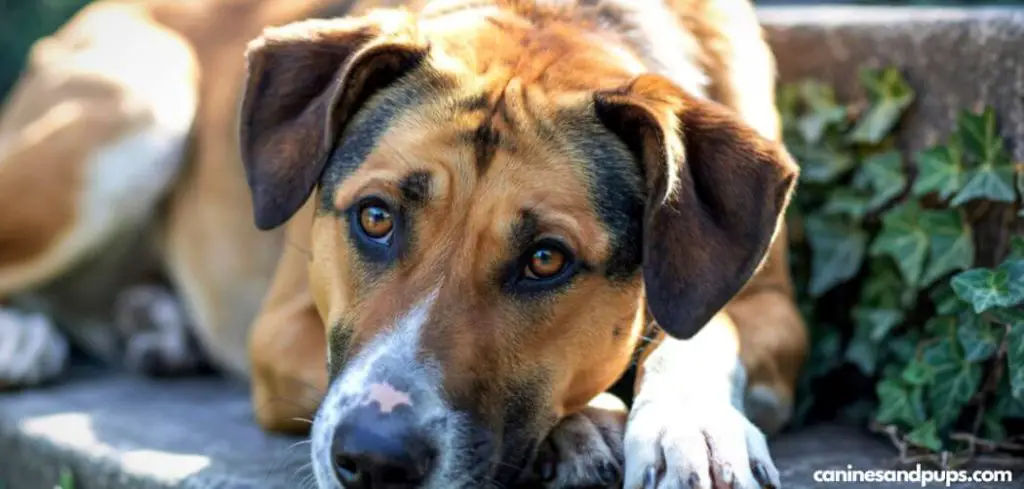
Dog Suddenly Not Interested In Kibble: Common Causes
Nausea and Digestive Upset
Kibble is dense and dry, which makes it harder to digest when the stomach is irritated.
When a dog feels nauseous, strong smells and dry textures are often unappealing. Wet food or treats may seem easier to swallow, so kibble gets rejected.
You might see lip licking, grass eating, gulping, or occasional vomiting. This shows that the dog wants relief from stomach discomfort, not that they are being picky.
Related: Dog Suddenly Not Eating Food But Acting Normal (What it means)
Dental Disease or Tooth Pain
Dry kibble requires significant chewing. When a dog has a cracked tooth, gum infection, or inflamed mouth, chewing becomes painful.
Even mild dental discomfort can make crunchy food unbearable. Dogs may still want to eat but refuse kibble because biting hurts.
You may notice drooling, pawing at the mouth, bad breath, or food falling from the mouth. Dental pain is one of the most common hidden causes of a dog suddenly not interested in kibble.
Loss of Smell or Taste
Dogs rely heavily on smell to enjoy food. Respiratory infections, nasal congestion, or inflammation can reduce the ability to smell.
Without smell, kibble becomes bland and uninteresting. Dogs may sniff their bowl and walk away because it no longer triggers appetite.
This is especially common when a dog has a cold, sinus infection, or allergies. They may still eat soft or strongly scented foods, but dry kibble loses appeal.
Stress or Routine Changes
Stress suppresses appetite and alters digestion. Changes such as moving homes, new pets, loud noises, or schedule disruptions can make a dog uneasy.
Kibble is often associated with routine. When stress is present, dogs may avoid eating even when they are hungry.
You may notice pacing, whining, or clinginess along with refusal of dry food. Emotional factors are a powerful cause of appetite changes.
Internal Illness
Kidney disease, liver disease, pancreatitis, and infections all reduce appetite by causing nausea and weakness.
Dry food can be especially unappealing because it is harder to digest and lacks moisture.
Dogs may drink more, seem tired, or lose weight. This makes illness an important cause of a dog suddenly not interested in kibble.
Food Sensitivity
Some dogs develop intolerance to ingredients in their kibble.
When digestion becomes uncomfortable, the dog learns to associate that food with pain or nausea and avoids it.
You may see gas, soft stool, itching, or belly discomfort. This explains why some dogs refuse their regular kibble but may eat other foods.
Related: Dog Suddenly Not Eating But Drinking Water (What it means)
Dog Suddenly Not Interested In Kibble: What to Do
If your dog suddenly not interested in kibble, try moistening it with warm water or offering a small amount of wet food mixed in.
Make sure fresh water is available. Check the mouth for signs of pain. Keep the environment calm and quiet during meals.
If the behavior continues more than 24 hours, seek veterinary advice.
When to seek veterinary care
Call your vet if your dog refuses kibble for more than a day. Urgent care is needed if there is vomiting, diarrhea, weight loss, or lethargy.
Sudden appetite changes paired with pain or weakness should never be ignored.
Related: Dog Suddenly Quiet And Not Eating (When to worry)
Key Takeaway
A dog suddenly not interested in kibble is usually trying to avoid discomfort, not being stubborn.
Whether the cause is dental pain, nausea, stress, or illness, early attention helps prevent serious problems and keeps your dog feeling their best.