
A dog that suddenly loses interest in food can worry even the calmest dog owner. When a dog normally loves meals but now turns away, something has changed inside their body or environment that is affecting appetite.
We explain the reasons why a dog may suddenly not be interested in food and what to do.
Dog Suddenly Not Interested In Food: Why It Happens
A dog suddenly not interested in food usually happens when illness, pain, stress, or digestive upset interferes with hunger signals or makes eating uncomfortable.
Problems affecting the stomach, mouth, internal organs, or even the brain can cause a dog to feel nauseous, uncomfortable, or emotionally withdrawn.
In some cases the dog wants to eat but feels too unwell to do so, which is why food is sniffed but not taken.
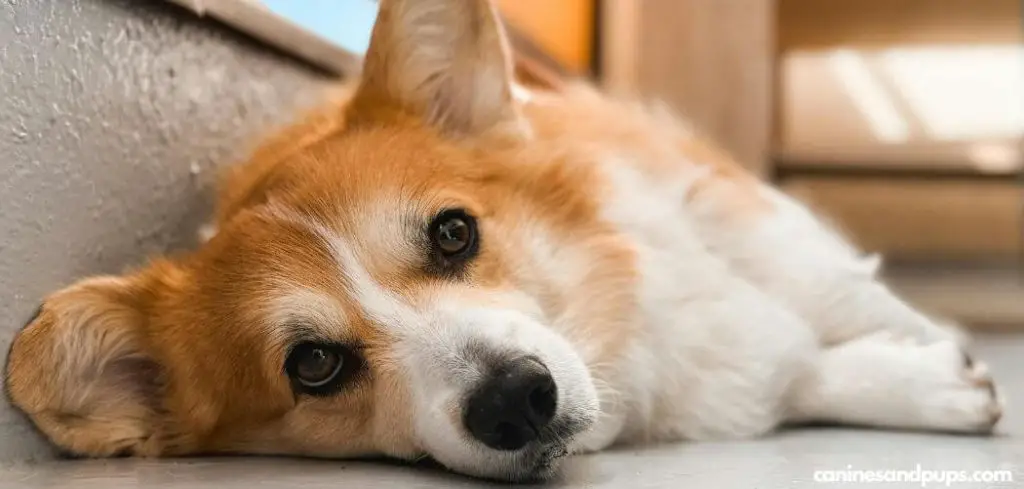
Dog Suddenly Not Interested In Food: Common Causes
Gastrointestinal Upset
Digestive irritation is one of the most common reasons dogs suddenly stop caring about food. When the stomach or intestines are inflamed, the body suppresses appetite as a protective response.
Dogs may feel nauseous, gassy, or uncomfortable after eating something unusual, spoiled, or too rich. This discomfort makes them avoid food even though they normally love it.
You may notice lip licking, grass eating, burping, or a tense belly. If the upset continues, vomiting or diarrhea may follow, making this cause important to recognize early.
Related: Dog Suddenly Not Eating Food But Acting Normal (What it means)
Dental Pain
Pain inside the mouth can instantly turn eating into an unpleasant experience. Broken teeth, gum disease, mouth ulcers, or infections can make chewing painful.
Dogs with oral pain often approach their bowl, sniff, and then back away. Some will drop food, chew on one side, or paw at their mouth.
This causes a dog suddenly not interested in food even though hunger is still there. Left untreated, mouth pain can lead to weight loss and infection spreading to other parts of the body.
Nausea from Organ Disease
When organs such as the liver, kidneys, or pancreas are not functioning well, toxins build up in the bloodstream. This makes dogs feel nauseous and weak.
Nausea suppresses hunger and makes food smell unappealing. Dogs may turn away from meals or gag when food is offered.
Owners might also see increased thirst, vomiting, lethargy, or weight loss. This type of appetite change is a red flag that something serious may be happening internally.
Pain or Inflammation Anywhere in the Body
Dogs do not only lose appetite from stomach issues. Pain anywhere in the body, including joints, back, or internal tissues, can make them refuse food.
Pain triggers stress hormones that shut down digestion. A dog in pain often feels too uncomfortable to focus on eating.
You may notice stiffness, limping, hiding, or reluctance to move along with not wanting food. This makes pain a hidden but powerful cause of a dog suddenly not interested in food.
Stress
Dogs are sensitive to changes in their environment. Moving, visitors, new pets, loud noises, or routine changes can suppress appetite.
Stress causes the body to release hormones that block hunger and slow digestion. Even a normally food-motivated dog may ignore meals.
You may notice pacing, panting, clinginess, or hiding. Emotional stress is often overlooked but can strongly affect eating behavior.
Early Infection
When a dog’s immune system is fighting infection, the body conserves energy by reducing appetite.
Fever, inflammation, and immune chemicals all make food seem unappealing. Dogs often feel tired and achy during this time.
You may notice warmth, shivering, coughing, or discharge along with loss of interest in food. This type of appetite loss is the body’s signal that illness is developing.
Related: Dog Suddenly Not Eating But Drinking Water (What it means)
Dog Suddenly Not Interested In Food: What to Do
If your dog suddenly not interested in food, try offering a bland, easy-to-digest meal such as boiled chicken and rice.
Make sure fresh water is always available.
Keep their environment calm and predictable.
Watch for vomiting, diarrhea, or changes in behavior.
If appetite does not return within 24 hours, veterinary guidance is important.
When to seek veterinary care
Call your vet if your dog refuses food for more than one day. Seek immediate care if there is vomiting, diarrhea, fever, or lethargy.
Sudden weight loss or weakness alongside appetite loss is also urgent.
Related: Dog Suddenly Quiet And Not Eating (When to worry)
Key Takeaway
A dog suddenly not interested in food is never something to ignore. While some causes are mild, many signal pain, illness, or stress that needs attention. Early care gives your dog the best chance to recover quickly and comfortably.