
When a dog suddenly not getting along with people or other pets, it can be deeply unsettling, especially if their behavior was previously friendly and predictable.
Sudden aggression, avoidance, or tension almost always signals that something has changed physically, emotionally, or in their environment.
We explain the reasons why a dog may suddenly not get along and what to do.
Table of Contents
Dog Suddenly Not Getting Along
A dog suddenly not getting along usually occurs when pain, illness, fear, stress, or neurological changes interfere with how the brain processes social interaction.
Dogs that feel physically uncomfortable may lash out to protect themselves, while anxiety or confusion can make even familiar people or animals seem threatening.
Hormonal shifts, sensory decline, or a traumatic experience can also disrupt a dog’s tolerance and social stability.
In some cases, subtle medical conditions quietly change behavior before any obvious physical symptoms appear.
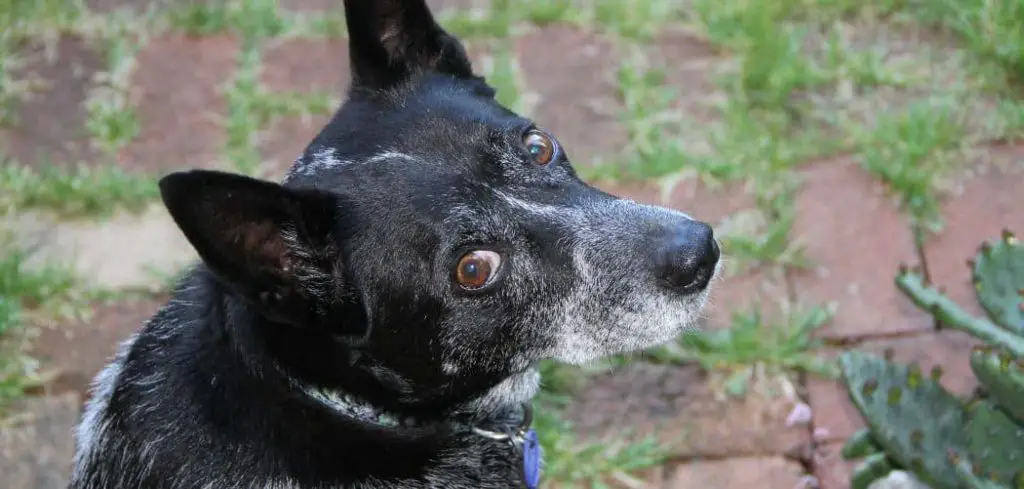
Dog Suddenly Not Getting Along: Common Causes
Pain or Undiagnosed Injury
Pain is one of the most common and overlooked causes of sudden behavioral change. Dogs that feel sore, stiff, or injured often become defensive because touch or movement hurts more than usual.
When another pet approaches, or a human tries to interact, the dog may growl, snap, or avoid contact to prevent worsening their pain.
Even gentle play or routine handling can feel threatening when joints, muscles, or internal organs are inflamed.
This is especially common with dental disease, arthritis, spinal pain, or soft tissue injuries that owners cannot see.
A dog that once enjoyed companionship may start isolating or reacting negatively simply because being near others increases physical discomfort.
Related: Old dog growling at new puppy (Why it happens)
Anxiety
Sudden anxiety can completely change how a dog behaves toward others. Stress floods the nervous system with hormones that keep the dog in a constant fight-or-flight state, making calm social interaction almost impossible.
Loud noises, new pets, new people, routine changes, moving homes, or even subtle environmental changes can overwhelm a sensitive dog.
When a dog feels unsafe, even familiar companions may be viewed as potential threats.
This often shows up as growling, pacing, hiding, or snapping when approached. The dog is not trying to be aggressive but is reacting to emotional overload that it cannot regulate.
Cognitive Changes
Changes in the brain can dramatically affect how a dog relates to others. Dogs experiencing early cognitive decline, brain inflammation, seizures, or neurological disorders may become confused or disoriented.
This confusion can cause a dog to misinterpret social cues, forget familiar people or pets, or react unpredictably.
A dog that once greeted everyone happily may suddenly appear wary, startled, or aggressive because their brain is no longer processing reality normally.
This is particularly common in aging dogs but can also happen in younger dogs due to infections, trauma, or toxic exposure.
Hormonal and Reproductive Changes
Hormonal shifts can affect mood, tolerance, and social behavior. Dogs that have recently gone through heat cycles, pregnancy, or hormonal disorders may become more irritable or protective.
Unspayed or unneutered dogs may also show changes in dominance, territoriality, or frustration that lead to conflict with other pets. Even dogs that were once gentle may become reactive when hormones disrupt emotional balance.
Hormonal disorders like thyroid disease can also cause irritability, anxiety, and aggression, often before any physical signs appear.
Illness or Internal Disease
Many illnesses quietly affect behavior long before obvious symptoms appear. Conditions such as infections, organ disease, or inflammatory disorders can make a dog feel unwell, weak, or nauseous.
When a dog feels sick, they may not want to be touched or approached. Even gentle interactions can feel overwhelming when the body is struggling internally.
This can lead to snapping, hiding, or refusing to engage socially, which owners may mistake for sudden personality changes rather than signs of illness.
Learned Fear or Negative Experience
Sometimes a single negative event can permanently change how a dog interacts with others. Being attacked, startled, hurt, or restrained forcefully can create lasting fear responses.
If a dog associates another pet, person, or location with fear or pain, they may react aggressively to protect themselves. This behavior often appears suddenly and seems out of character, but it is rooted in survival instincts.
Without intervention, these fear-based reactions often worsen over time as the dog becomes more hyper-vigilant.
Read more: Dog excessively licking other dog (Why it happens)
Dog Suddenly Not Getting Along: What to Do
The first step is to create safety and reduce pressure. Give your dog space from situations that trigger conflict, including other pets, crowded areas, or excessive handling. This prevents escalation while you determine what is wrong.
Observe your dog closely for subtle physical changes such as limping, stiffness, bad breath, changes in appetite, or unusual sleeping habits. These small clues can point to hidden pain or illness that explains the behavior shift.
Keep daily routines calm and predictable. Dogs that feel emotionally overwhelmed need structure to feel secure, so feeding times, walks, and sleep schedules should remain consistent.
Avoid punishment or forced interactions. Reactivity caused by pain, fear, or confusion will worsen if the dog feels threatened or trapped. Gentle, patient management protects trust while healing occurs.
If your dog is still eating, drinking, and moving normally, schedule a veterinary check even if no physical symptoms seem obvious. Behavior changes are often the earliest sign of medical problems.
When to Call or Visit Your Vet
If your dog suddenly not getting along is paired with snapping, biting, or unprovoked aggression, veterinary evaluation should happen as soon as possible. These behaviors often signal pain, neurological change, or serious emotional distress.
Any signs of weakness, collapse, vomiting, diarrhea, fever, or disorientation require urgent attention. When illness affects the brain or nervous system, behavior can shift rapidly and dangerously.
If your dog seems confused, stares into space, gets lost in familiar places, or does not recognize family members, this may indicate neurological disease and should be evaluated immediately.
Dogs that suddenly isolate, hide, or avoid interaction are often trying to cope with physical or emotional discomfort. These signs should never be ignored, especially when paired with personality changes.
Read more: Dog Suddenly Not Coming When Called (What it could mean)
Key Takeaway
When a dog suddenly not getting along, it is almost always a signal that something inside their body or mind has changed. Pain, illness, fear, or neurological shifts can all disrupt a dog’s ability to tolerate normal social interaction.
With calm observation, gentle management, and timely veterinary care, most dogs can regain their emotional balance and comfort.
Trust your instincts, because sudden behavior changes are your dog’s way of asking for help.