
A dog that seems eager for food but won’t actually eat can be confusing and frustrating for any dog owner.
When your dog shows interest in food but turns away after sniffing or tasting it, something is interfering with comfort, digestion, or the ability to eat normally.
In this guide, we explain the common reasons why a dog may suddenly lose interest in food, what you can do at home, and when to seek veterinary care.
Dog Suddenly Not Eating Interested In Food: Why It Happens
A dog suddenly not eating interested in food is usually experiencing mouth pain, nausea, early illness, or sensory changes that make eating uncomfortable even though hunger remains.
Dogs may want to eat but stop when chewing, swallowing, or digesting feels unpleasant. Dental disease, stomach upset, and subtle infections are common triggers.
Because appetite and interest can separate when something hurts or feels wrong, this pattern should not be ignored.
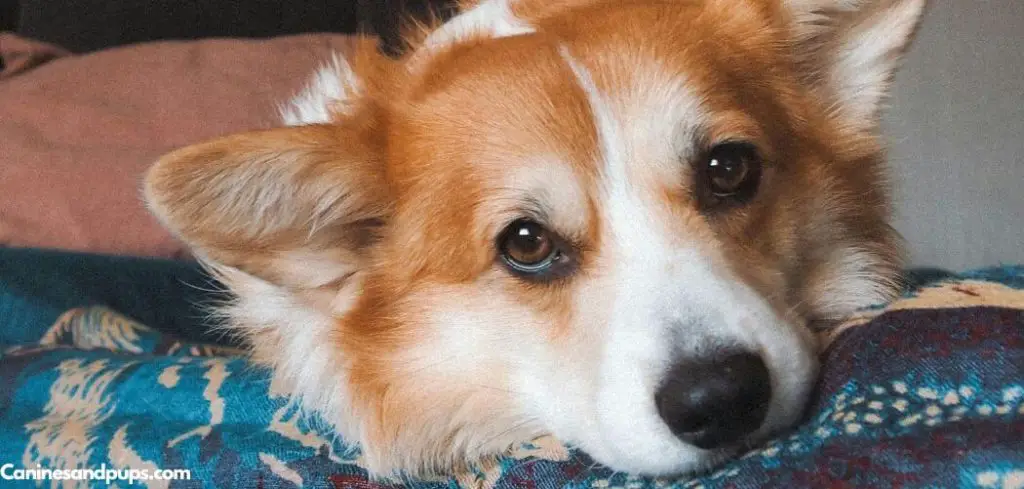
Dog Suddenly Not Eating Interested In Food: Common Causes
Dental Disease
Dental problems are one of the most common reasons a dog will approach food with interest but refuse to eat it. When teeth, gums, or the jaw are painful, chewing creates sharp discomfort even if hunger is strong.
Plaque buildup, gum inflammation, loose teeth, abscesses, or small fractures can make biting into food unbearable. Dry kibble is especially hard to tolerate, so dogs may sniff, lick, or pick at food and then walk away.
You may notice drooling, bad breath, pawing at the mouth, or dropping food while chewing. Some dogs will only eat soft foods.
Because dental disease progresses quietly, a dog suddenly not eating interested in food often needs a thorough oral exam.
Related: Dog Suddenly Not Eating Food But Acting Normal (Here’s Why )
Mild Digestive Upset
Dogs with mild stomach or intestinal irritation still feel hungry, but eating makes them feel worse. This creates a conflict where the dog wants food but stops when nausea increases.
Inflammation in the stomach releases chemicals that suppress appetite after the first few bites. Drinking water may feel soothing, which is why some dogs keep drinking.
You might see lip licking, swallowing, grass eating, or pacing near the food bowl.
This is a very common reason a dog suddenly not eating interested in food happens after diet changes or eating something unusual.
Throat or Swallowing Discomfort
Problems in the throat or esophagus can make swallowing painful or difficult. This includes inflammation, infections, or even small foreign objects.
The dog may want to eat but hesitate because food feels like it gets stuck or hurts going down.
You may notice gagging, coughing, stretching the neck, or swallowing repeatedly.
This discomfort can explain why a dog suddenly not eating interested in food seems hungry but stops.
Early Infection
In the early stages of illness, dogs may still seem energetic and curious about food, but internal inflammation suppresses appetite.
Fever makes chewing and swallowing feel uncomfortable and increases nausea. You may see warm ears, shivering, or subtle lethargy.
This makes infection an important cause of a dog suddenly not eating interested in food even before more obvious signs appear.
Stress
Anxiety, change in routine, or emotional stress can alter appetite patterns. Dogs may approach food out of habit but lose interest when they feel unsettled.
Stress hormones affect digestion and hunger signals. You may notice pacing, clinginess, or changes in sleeping patterns.
This emotional imbalance can cause a dog suddenly not eating interested in food even without physical illness.
Food Aversion
If a dog felt sick after eating a certain food, they may associate that flavor with nausea and avoid it in the future.
Dogs have strong memory tied to taste and smell. Even if they are hungry, the food may seem unappealing.
You may notice your dog beg for treats or table food but refuse their usual meals. This learned aversion can look like a dog suddenly not eating interested in food.
Related: Dog Suddenly Not Eating and Vomiting (Why it happens)
Dog Suddenly Not Eating Interested In Food: What to Do
When your dog suddenly not eating interested in food, try offering soft, warm food to reduce mouth and stomach irritation.
Check the mouth for redness, swelling, or broken teeth if your dog allows. Avoid giving many treats that could reinforce picky behavior.
Monitor closely for changes in energy, vomiting, or pain.
When to Call or Visit Your Vet
If your dog refuses food for more than 48 hours, call your veterinarian.
Seek veterinary care if there is drooling, gagging, bad breath, or weight loss.
A dog suddenly not eating interested in food along with vomiting or lethargy should be evaluated.
Persistent appetite changes always deserve medical attention.
Read more: Dog sick not eating and or drinking (Causes explained)
Key Takeaway
A dog suddenly not eating interested in food is often dealing with mouth pain, nausea, or early illness. Hunger is still there, but something is making eating uncomfortable.
By observing closely and involving your veterinarian when needed, you can catch problems early and help your dog enjoy food again.