
A dog that suddenly refuses food but still seems playful, alert, and normal can leave pet owners feeling confused and uneasy.
When appetite drops without obvious illness, it often means something subtle is affecting how food tastes, feels, or is processed in your dog’s body.
We explain the reasons why a dog may suddenly not eat food and but act normal, what you can do and when to seek veterinary care.
Dog Suddenly Not Eating Food But Acting Normal
A dog suddenly not eating food but acting normal is usually dealing with dental discomfort, mild digestive upset, stress, or changes in taste or smell that make food less appealing even though energy levels remain normal.
Dogs can hide early pain or nausea while still playing and interacting. Food aversion, spoiled kibble, or subtle illness can all affect appetite before behavior changes. Because appetite is closely tied to health, this shift deserves attention.
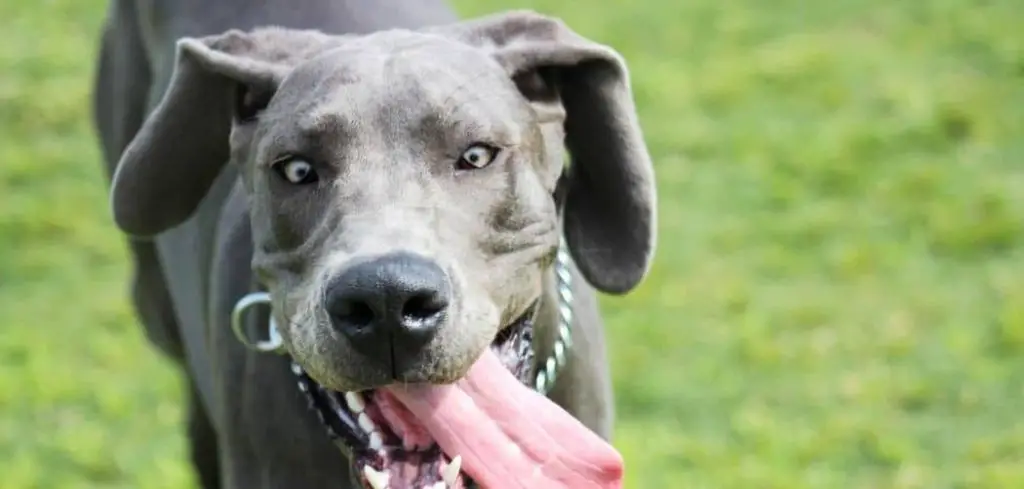
Dog Suddenly Not Eating Food But Acting Normal: Common Causes
Dental Pain
Even mild dental problems can make chewing uncomfortable enough to stop a dog from eating, while still allowing them to act normal otherwise.
Small fractures, gum inflammation, loose teeth, or mouth sores can hurt when pressure is applied. Dry kibble becomes painful to chew, so dogs simply avoid eating.
You may notice your dog sniffing food and walking away, chewing on one side, drooling, or dropping pieces of food.
Dental disease often progresses quietly. A dog suddenly not eating food but acting normal may be hiding mouth pain that needs veterinary care.
Related: Dog Suddenly Not Eating and Vomiting (Why it happens)
Food Spoilage
Dogs rely heavily on smell and taste to decide whether food is safe. Even if kibble looks fine, oils can go rancid or flavors can change.
Your dog may still be hungry but refuse the food bowl because it smells or tastes “wrong” to them.
You may notice them begging for treats or table scraps while ignoring their regular food.
This is one of the most common and harmless reasons a dog suddenly not eating food but acting normal.
Mild Digestive Upset
Early stomach upset or intestinal irritation can make dogs feel slightly nauseated without affecting their energy.
They may play, walk, and interact normally but skip meals because eating makes them feel queasy.
Signs can include lip licking, swallowing, or mild gas.
This type of digestive discomfort can explain why a dog suddenly not eating food but acting normal may still seem fine otherwise.
Stress
Dogs are sensitive to changes in their environment. New pets, visitors, travel, or changes in routine can affect appetite.
Stress hormones reduce hunger even when a dog seems otherwise okay. Your dog may eat treats but refuse meals, or eat only at certain times.
Emotional stress is a frequent cause of a dog suddenly not eating food but acting normal.
Recent Vaccination or Medication
Some medications and vaccines can temporarily reduce appetite. Your dog may feel slightly off, even if they are still playful and alert.
The immune system response or mild nausea can make food unappealing for a day or two.
This is usually short-lived but should be monitored if a dog suddenly not eating food but acting normal persists.
Picky Eating or Learned Behavior
Dogs can learn to skip meals if they are frequently offered treats or table food.
If your dog holds out for something better, they may refuse regular food while still feeling perfectly fine.
You may notice them watching you eat or becoming selective.
This behavior can look like a dog suddenly not eating food but acting normal when it is actually habit-based.
Read more: Dog sick not eating and or drinking (Causes explained)
Dog Suddenly Not Eating Food But Acting Normal: What to Do
When your dog suddenly not eating food but acting normal, start by checking the food for freshness and smell.
Try offering a small amount of warm, soft food to see if it encourages eating without straining the mouth.
Avoid feeding too many treats so your dog does not skip meals out of preference.
Monitor closely for changes in weight, energy, or signs of pain.
When to Call or Visit Your Vet
If your dog refuses food for more than 48 hours, contact your veterinarian.
Seek veterinary advice if there is drooling, bad breath, vomiting, or weight loss.
A dog suddenly not eating food but acting normal along with chewing difficulty should be checked.
If appetite does not return, a medical exam is important.
Read more: Dog Shaking And Not Eating (What it means)
Key Takeaway
A dog suddenly not eating food but acting normal is often caused by mild issues like dental discomfort, stress, or food changes, but it can also be an early sign of illness.
By staying observant, keeping meals appealing, and involving your veterinarian when needed, you can protect your dog’s health and keep mealtime enjoyable again.