
A dog that suddenly stops barking can feel unsettling, especially if your dog was previously vocal, alert, or expressive.
When barking drops off abruptly, it often means something has changed in your dog’s physical health, emotional state, or ability to communicate.
We explain the reasons why a dog may suddenly not bark, what to do and when to seek veterinary care.
Dog Suddenly Not Barking: Why It Happens
A dog suddenly not barking is usually dealing with throat irritation, pain, stress, hearing changes, or illness that affects their ability or desire to vocalize.
Conditions that inflame the vocal cords, reduce energy, or alter awareness can make barking difficult or uncomfortable.
Emotional shock, fear, or cognitive changes can also suppress normal vocal behavior. Because barking is a primary way dogs communicate, a sudden change should always be noticed.
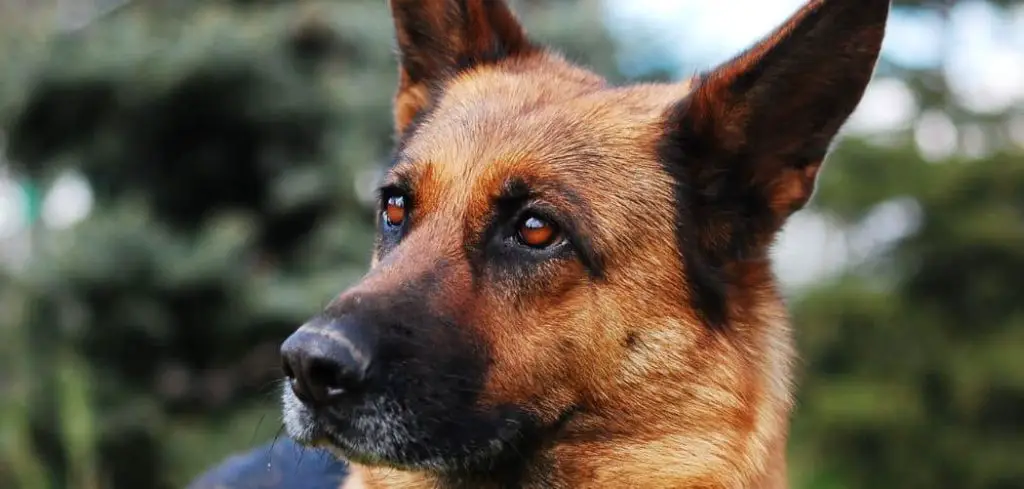
Dog Suddenly Not Barking: Common Causes
Laryngitis or Throat Inflammation
Inflammation of the vocal cords is one of the most common medical reasons a dog suddenly stops barking. This often happens after excessive barking, coughing, or infection.
When the larynx becomes irritated, swelling develops around the vocal cords. This makes producing sound painful or difficult.
You may notice hoarseness, coughing, gagging, or a raspy, weak bark. Some dogs try to bark but no sound comes out.
Because barking hurts, your dog may choose to stay quiet, making it seem like a behavior change when it is actually physical discomfort.
Related: Dog constantly barking for no reason (What it means)
Upper Respiratory Infection
Colds, kennel cough, and other respiratory infections can affect a dog’s throat, sinuses, and voice box.
Mucus, inflammation, and irritation make it uncomfortable to breathe deeply or bark loudly.
Signs may include coughing, sneezing, nasal discharge, fever, or lethargy. Barking may sound strained or disappear entirely.
As infection worsens, dogs often conserve energy and stop vocalizing, leading to a dog suddenly not barking.
Pain or General Illness
Dogs that are not feeling well often become quieter. Pain, fever, or internal illness can reduce energy and the desire to interact.
You may notice sleeping more, eating less, moving slowly, or avoiding play. Vocalization drops because the dog feels weak or uncomfortable.
Barking requires energy and breath control. When a dog is sick, the body prioritizes healing over communication.
This is a serious reason a dog suddenly not barking may be more than just a mood change.
Stress
Dogs that experience fear, anxiety, or emotional shock may suddenly become silent. This is a natural survival response.
You may see hiding, trembling, panting, or avoidance. The dog may seem distant or withdrawn.
When a dog feels unsafe, barking may stop because they are trying to avoid drawing attention to themselves.
This emotional shutdown can make a normally vocal dog suddenly not barking.
Hearing Loss or Cognitive Changes
If a dog cannot hear what is happening around them, they may not respond by barking. This is especially common in senior dogs.
You may notice your dog not reacting to sounds, doorbells, or your voice.
Cognitive decline can also affect awareness and responsiveness, making barking less frequent.
This is an important reason a dog suddenly not barking may not be ignoring you.
Trauma
In rare cases, injury or nerve damage affecting the throat, neck, or brain can interfere with vocalization.
You may notice difficulty swallowing, weakness, or abnormal posture.
If nerves that control the vocal cords are affected, the dog may be physically unable to bark normally.
This is a serious cause of a dog suddenly not barking and needs veterinary attention.
Related: Dog excessively barking (Here’s why)
Dog Suddenly Not Barking: What to Do
When your dog is suddenly not barking, observe their throat, breathing, and energy level closely.
Keep your dog calm and avoid encouraging barking, which could strain irritated vocal cords.
Offer water and soft food to reduce throat irritation if swallowing seems uncomfortable.
Watch for coughing, fever, or lethargy that may indicate illness.
When to Call or Visit Your Vet
If your dog’s voice does not return within a few days, contact your veterinarian.
Seek veterinary care if your dog also has coughing, fever, difficulty breathing, or trouble swallowing.
A dog suddenly not barking along with lethargy or appetite loss should be evaluated.
If there is any sign of injury or neurological changes, get veterinary help immediately.
Related: Senior Dog Suddenly Not Eating And Sleeping A Lot (Why it happens)
Key Takeaway
A dog suddenly not barking is often your dog’s way of telling you something is wrong, whether it is throat irritation, illness, pain, or emotional stress.
By paying attention to the change, keeping your dog comfortable, and involving your veterinarian when needed, you can help restore your dog’s health and their normal voice.