
A dog that suddenly becomes inactive can worry any dog owner, especially if your dog is usually playful, alert, or energetic.
When activity levels drop without warning, it often means something physical or emotional is affecting your dog’s ability to move, engage, or feel normal.
In this guide, we explain the reasons why your dog may suddenly not be active, what you can do and when to seek veterinary care.
Dog Suddenly Not Active
A dog suddenly not active is usually dealing with illness, pain, infection, stress, or internal problems that drain energy and make normal movement feel difficult or unpleasant.
Conditions affecting the muscles, joints, heart, or organs can quickly reduce stamina. Fever, dehydration, and emotional shock can also suppress activity.
Because dogs rely on movement to express how they feel, a sudden drop in energy should always be taken seriously.
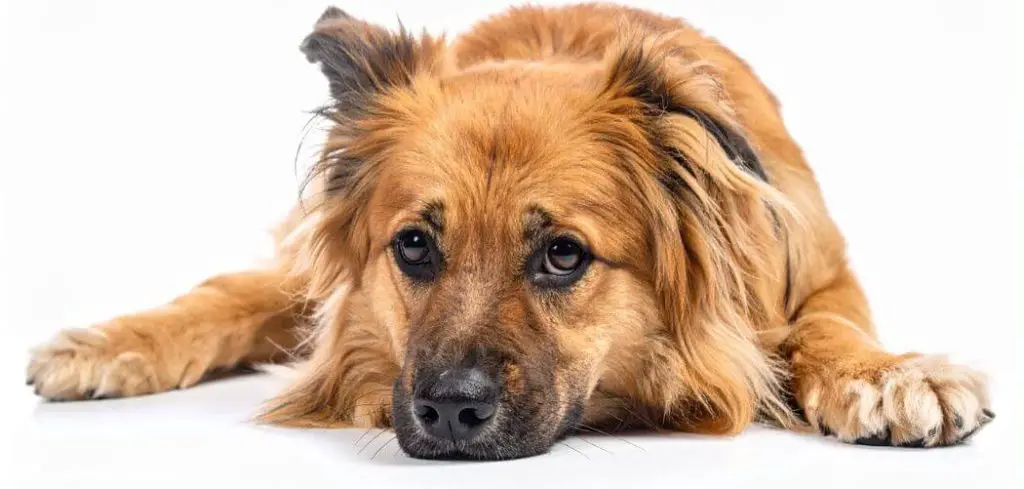
Dog Suddenly Not Active: Common Causes
Infection and Fever
Infections place enormous stress on the body. When bacteria or viruses invade, the immune system releases chemicals that cause fever, muscle aches, and fatigue.
Your dog may feel sore, weak, and unusually sleepy. They might avoid play, lie down more, and lose interest in normal activities.
Fever reduces appetite and energy, making movement feel exhausting. Even mild infections can cause a dog suddenly not active.
If left untreated, infections can spread to organs and become life-threatening.
Read more: Dog Suddenly Lethargic and Wobbly (Why it happens)
Pain or Injury
Pain is one of the most common reasons a dog suddenly not active. Muscle strains, joint injuries, dental pain, or internal discomfort can make movement unpleasant.
You may notice limping, stiffness, hesitation to jump, or guarding behavior. Some dogs simply stop playing and choose to rest.
When pain is present, dogs instinctively limit movement to avoid making it worse. Ongoing pain reduces quality of life and can worsen if not treated.
Heart Disease
Heart problems reduce the amount of oxygen delivered to the body. This makes exercise and even simple movement feel tiring.
Your dog may seem weak, pant more than usual, or stop wanting to walk or play.
Poor circulation leads to muscle fatigue and breathlessness, causing activity levels to drop.
Heart disease is a serious cause of a dog suddenly not active and requires veterinary care.
Kidney or Liver Disease
These organs filter toxins and manage energy in the body. When they are not working well, waste builds up and makes dogs feel sick.
Signs include nausea, bad breath, weight loss, and lethargy. Dogs often sleep more and move less.
The body struggles to maintain normal energy when organs are failing.
This makes kidney or liver disease an important cause of a dog suddenly not active.
Dehydration
Without enough water, blood flow, digestion, and muscle function all suffer. Even mild dehydration can lead to weakness and fatigue.
You may see dry gums, reduced urination, and lack of interest in movement. When the body is dehydrated, it conserves energy, making dogs slow and inactive.
Dehydration is a common but dangerous reason a dog suddenly not active.
Stress
Dogs can become inactive after frightening or stressful events. Loud noises, changes in the home, or loss of a companion can affect behavior.
Your dog may hide, sleep more, or avoid interaction. Stress hormones suppress energy and appetite, making your dog appear withdrawn.
This emotional shutdown can look like a dog suddenly not active even when there is no physical illness.
Related: Dog lethargic and shaking after vaccination (What it means)
Dog Suddenly Not Active: What to Do
When your dog is suddenly not active, give them a quiet, comfortable place to rest without pressure to play or move.
Make sure fresh water is available and encourage gentle drinking to prevent dehydration.
Offer small amounts of food and monitor appetite, as refusal to eat can signal illness.
Watch closely for pain, breathing changes, or weakness so you can report them to your veterinarian.
When to seek veterinary care
If your dog remains inactive for more than 24 hours, contact your veterinarian.
Seek immediate care if inactivity is combined with vomiting, diarrhea, collapse, or breathing difficulty.
A dog suddenly not active after injury, toxin exposure, or with pale gums needs urgent attention.
If symptoms worsen or do not improve, do not wait to seek help.
Read more: Dog Lethargic And Not Eating (Why energy and appetite drop)
Key Takeaway
A dog suddenly not active is telling you that something is wrong, whether it is pain, illness, dehydration, or emotional stress. This change should never be ignored.
By paying attention, providing comfort, and involving your veterinarian when needed, you can help your dog feel better and return to their normal, happy energy.