
A dog that suddenly becomes lethargic and does not respond to your voice or touch is one of the most alarming situations a pet owner can face.
This change often means the brain, nerves, or vital organs are not working normally and immediate attention may be needed.
In this guide, we explain the reasons why a dog may suddenly become lethargic and not respond, and why prompt veterinary care is important.
Dog Suddenly Lethargic And Not Responding: Why It Happens
A dog suddenly lethargic and not responding is usually experiencing a serious medical event that affects the brain, blood flow, or overall body function.
Conditions such as seizures, poisoning, low blood sugar, heatstroke, and internal illness can all make a dog weak, disoriented, or unaware of their surroundings.
Severe infections, trauma, or organ failure can also shut down normal alertness. Because responsiveness depends on the brain getting enough oxygen, blood, and energy, these symptoms should always be treated as urgent.
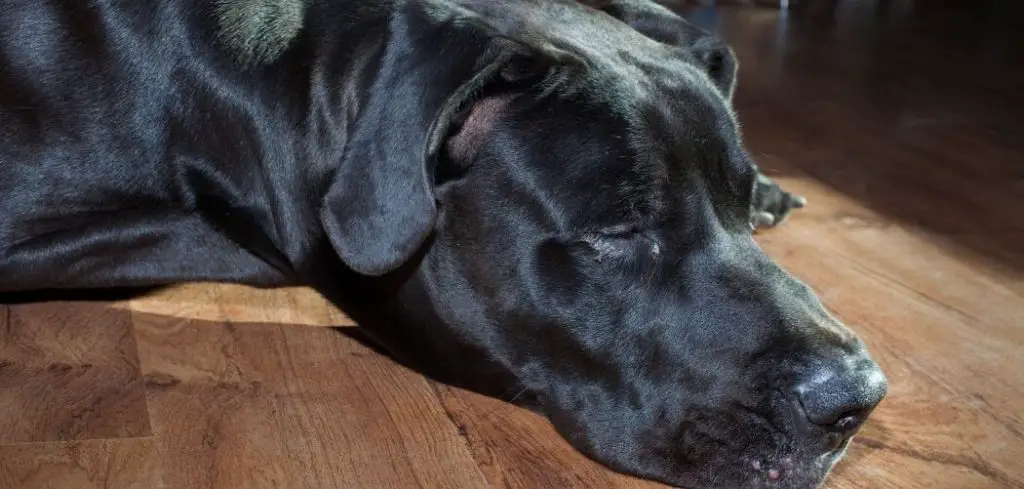
Dog Suddenly Lethargic And Not Responding: Common Causes
Seizures or Post Seizure State
Seizures can cause a dog to suddenly become stiff, collapse, or lose awareness. After a seizure, many dogs remain lethargic and unresponsive for minutes to hours.
You may notice twitching, paddling of the legs, drooling, or glazed eyes. Some dogs seem confused or cannot recognize familiar people.
During and after a seizure, the brain is overwhelmed and temporarily unable to process normal signals. This causes both weakness and lack of response.
Repeated or prolonged seizures are a dangerous reason a dog suddenly lethargic and not responding needs immediate care.
Related: Dog Suddenly Lethargic And Not Walking (Weakness and mobility issues)
Toxin Exposure
Many toxins affect the nervous system and can quickly make a dog weak and unresponsive. Common sources include human medications, plants, chemicals, and pest control products.
Signs may include vomiting, drooling, tremors, dilated pupils, or collapse. The dog may not react when you call their name or touch them.
Toxins interfere with nerve and brain function, which leads to reduced awareness and energy.
Poisoning is a medical emergency and a critical cause of a dog suddenly lethargic and not responding.
Low Blood Sugar
Low blood sugar deprives the brain of the energy it needs to function. This is more common in small dogs, puppies, and dogs with certain illnesses.
You may see weakness, trembling, confusion, or sudden collapse. The dog may seem dazed or unable to focus.
Without enough glucose, the brain and muscles cannot work properly, leading to lethargy and reduced responsiveness.
Low blood sugar is a life-threatening reason a dog suddenly lethargic and not responding should be treated urgently.
Heatstroke
Overheating damages cells and disrupts circulation. When body temperature rises too high, the brain is one of the first organs affected.
You may notice heavy panting, red gums, drooling, weakness, or collapse. The dog may become dull or stop responding.
Heat damages tissues and interferes with oxygen delivery, leading to mental dullness and physical weakness.
Heatstroke is a serious cause of a dog suddenly lethargic and not responding and requires emergency care.
Internal Bleeding or Shock
Trauma, ruptured organs, or severe illness can lead to shock, where blood flow to vital organs drops.
Signs include pale gums, rapid breathing, weakness, and collapse. The dog may seem detached or barely responsive.
Without enough blood and oxygen reaching the brain, alertness fades and lethargy deepens.
Shock is a critical cause of a dog suddenly lethargic and not responding.
Severe Infection
Advanced infections and failing organs release toxins into the bloodstream and disrupt normal body chemistry.
You may notice fever, vomiting, diarrhea, foul breath, or changes in urination along with extreme weakness.
As the body becomes overwhelmed, the brain and muscles stop functioning normally, leading to poor responsiveness.
This is a very serious reason a dog suddenly lethargic and not responding must be seen by a veterinarian.
Related: Dog Suddenly Stiff And Not Responding (Here’s why)
Dog Suddenly Lethargic And Not Responding: What to Do
If your dog suddenly becomes lethargic and not responding, keep them safe and in a quiet, calm area. Avoid shaking or forcing them to move.
If you suspect overheating, move your dog to a cooler place and gently help lower their body temperature with airflow or cool, not cold, cloths.
Do not give food or medication unless directed by a veterinarian, as swallowing may be unsafe.
Prepare to contact your vet or an emergency clinic immediately, as time is critical in these situations.
Making an Appointment With Your Vet
Any dog that is lethargic and not responding should be seen by a veterinarian as soon as possible.
Seek emergency care if the episode follows toxin exposure, heat, injury, or collapse.
A dog suddenly lethargic and not responding along with vomiting, seizures, pale gums, or difficulty breathing is an emergency.
If your dog does not quickly return to normal awareness, do not wait to get help.
Read more: Dog Suddenly Limping And Not Eating (Here’s why)
Key Takeaway
A dog suddenly lethargic and not responding is one of the most serious warning signs a pet can show. It often means the brain, circulation, or vital organs are not working properly.
Acting quickly, keeping your dog safe, and seeking immediate veterinary care can save your dog’s life. When a dog is not responding normally, it is always better to treat it as an emergency.