
A dog suddenly becoming jumpy can be alarming, especially when the change seems to happen overnight.
A once-calm dog may start startling easily, reacting nervously to small sounds, flinching when approached, or acting on edge for no obvious reason. These sudden shifts in behavior often leave dog owners confused and worried about what’s behind the change.
This guide explains the most common reasons dogs may suddenly become jumpy, what you can do at home, and when it’s best to involve your veterinarian.
Dog Suddenly Jumpy: Why It Happens
A dog suddenly becoming jumpy usually points to fear, stress, pain, environmental changes, or a sensory issue that makes the dog feel less secure. Many dogs become jumpy when something in their environment has changed, when they’re uneasy or overstimulated, or when they’re dealing with discomfort that heightens their sensitivity.
A normally calm dog may suddenly flinch, react to noises, or appear hyperalert when they’re anxious, confused, or overwhelmed.
Dogs rely heavily on routine and predictability, so even small changes can create big emotional reactions. When a dog acts jumpy, they’re typically communicating that something feels off — whether physically, emotionally, or environmentally.
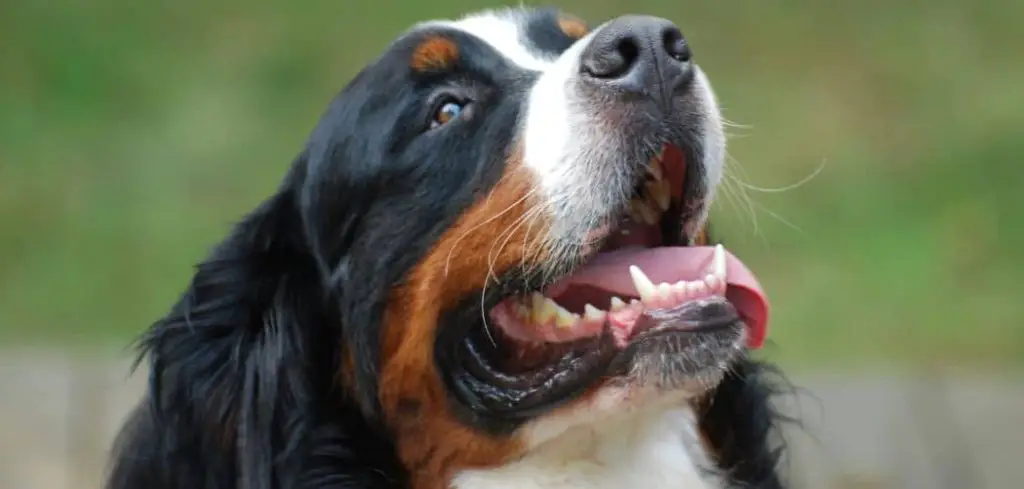
Dog Suddenly Jumpy: Common Causes
Sudden Noise Sensitivity
One of the most common causes of a dog suddenly becoming jumpy is a developing sensitivity to noise.
Dogs may react to:
Fireworks
Door slams
Construction
Thunder
Appliances
Voices or arguments in the home
Even sounds we barely notice can be overwhelming for a dog who is feeling vulnerable or stressed.
Noise sensitivity makes dogs hyperalert and jumpy. A dog may suddenly bolt up, flinch when something drops, or jump even when no one else hears anything. This can happen in both young dogs and seniors, and sometimes the cause is not obvious to owners.
For some dogs, noise sensitivity is temporary and stress-related. For others, it reflects anxiety or sensory overload that needs gentle support.
Read more: Dog Extremely Anxious at Night (What it means)
Stress From Environmental Changes
Dogs are creatures of habit, and when their environment changes, they may become tense and jumpy.
Triggers include:
A move to a new home
A new baby or visitor
Changes in work schedules
A new pet in the household
Loud guests or gatherings
Routine disruptions
Even positive changes can make dogs feel unsettled.
A stressed dog often becomes hyper-aware of their surroundings. This leads to sudden jumping or flinching, pacing, scanning the room, or hiding. The behavior might come and go throughout the day or appear suddenly after something specific happens.
Stress-based jumpiness often improves once the dog regains predictability and feels secure again.
Pain
Even though this is a behavior-focused blog, medical issues can absolutely cause a dog to become jumpy, especially when discomfort makes them more sensitive to touch, movement, or sudden events.
Pain makes dogs more reactive because they’re worried about anything that could worsen the discomfort.
Common medical contributors include:
Back or neck pain
Arthritis
Muscle strains
Ear infections
Dental pain
Gastrointestinal discomfort
Skin irritation or allergies
A dog in pain may flinch when touched, jump when someone approaches, or react suddenly when moving from lying to standing.
Painful dogs may also appear on edge even when resting, because they’re anticipating more discomfort. This type of jumpiness often appears suddenly and may be misinterpreted as behavioral when the root cause is medical.
Fear From a Recent Negative Experience
Dogs learn quickly from experiences, especially frightening ones. A dog that recently had a scare — even if the owner didn’t see it happen — may suddenly behave jumpy.
Possible triggers include:
Something falling near them
A loud noise during sleep
Being startled by another pet
A person handling them too roughly
A car backfiring outside
A child accidentally scaring them
One negative experience can heighten a dog’s alertness and make them jumpy for days or even weeks. Dogs who are sensitive or anxious by nature are especially vulnerable to this response.
This type of jumpiness can resolve with time, reassurance, and a stable routine, but it may return if the dog is exposed to repeated stress.
Sensory Decline (Sight or Hearing Changes)
As dogs age — and sometimes even in younger dogs — changes in vision or hearing can make the world feel less predictable.
When dogs can’t clearly see or hear what’s around them, they react more strongly to sudden movements or unexpected sounds.
A dog experiencing sensory decline may:
Flinch when someone approaches unexpectedly.
Jump when touched gently.
React to shadows or reflections.
Be startled when a person appears in their peripheral vision.
Become jumpy at night when visibility is lower.
These changes can be subtle at first, and owners may assume the jumpiness is behavioral rather than sensory.
Dogs often compensate well, but they need extra reassurance, consistency, and gentle handling.
Overstimulation
Some dogs become jumpy when they’re overstimulated instead of fearful. A dog who is excited about visitors, activity, or environmental buzz may seem like they’re on high alert.
Their brain is processing so much information at once that even small things make them jump.
You may notice:
Hyper-vigilant scanning.
Sudden jumping at soft noises.
Whining or pacing.
Quick, jerky movements.
Difficulty settling.
This often happens in high-energy breeds, dogs with excess pent-up energy, or younger dogs who haven’t learned to regulate excitement.
While overstimulation isn’t dangerous on its own, it can turn into stress or anxiety if unmanaged.
Read more: Dog panting and anxious (Common triggers)
What to Do If Your Dog Is Suddenly Jumpy
Begin by creating a calm, predictable environment with minimal stimulation. Give your dog a quiet space where they can retreat without being bothered. Reduce noise, dim lights, and keep traffic low in that area. Many jumpy dogs feel safer when they have a dedicated space to decompress.
Stick closely to routines. Feed, walk, and rest at the same times each day to help your dog regain a sense of control. Predictability is powerful for stabilizing anxious behaviors.
Use gentle reassurance when your dog startles, but avoid over-comforting in a way that reinforces the reaction. Soft voices, calm body language, and slow movements help dogs feel safer without amplifying fear.
Provide mental enrichment to redirect nervous energy. Food puzzles, sniffing games, and slow walks help release tension through natural canine behaviors.
If pain or medical discomfort is a possibility, schedule a veterinary exam. Many dogs who suddenly become jumpy are masking discomfort, and treating the underlying issue often improves the behavior quickly.
Avoid punishment or loud corrections. These increase fear and can make jumpy dogs more unpredictable. Use kindness and patience, especially when the cause isn’t immediately clear.
When to Call or Visit Your Vet
You should contact your veterinarian if your dog’s sudden jumpiness appears alongside symptoms that suggest pain or medical issues.
Seek veterinary guidance if you notice:
Limping or stiffness.
Flinching when touched.
Sudden aggression or irritability.
Sensitivity around ears or mouth.
Disorientation or confusion.
Visible fear without a clear trigger.
Loss of appetite or changes in sleep.
New or worsening anxiety.
Medical issues are often subtle and can mimic behavioral changes. A vet exam can help identify pain, sensory decline, or underlying illness contributing to the jumpiness.
If your dog’s jumpiness is extreme, persistent, or affecting daily life, a certified behaviorist may be needed. Behavioral support can stabilize your dog’s emotional state and help prevent worsening anxiety.
Always prioritize safety — for both your dog and your household — when behavior changes appear suddenly.
Read more: Dog Shaking Like Scared (Understanding fear)
Key Takeaway
A dog suddenly becoming jumpy is often a sign that something in their world no longer feels predictable or comfortable.
Whether the cause is fear, pain, stress, sensory decline, or overstimulation, your dog is communicating that they need support and safety.
By offering calm structure, monitoring for physical issues, and giving your dog space to decompress, you can help them return to a more balanced and secure state.
With patience, understanding, and the right approach, most dogs recover well from sudden jumpiness and regain confidence in their surroundings.