
A dog suddenly having diarrhea can be alarming, messy, and confusing especially when you who don’t know what triggered it.
Sudden loose stool can point to dietary mistakes or underlying medical problems.
This guide explains the most common causes of sudden diarrhea in dogs, what you can do at home, and when to involve your veterinarian.
Dog Suddenly Has Diarrhea: Why It Happens
A dog may suddenly have diarrhea due to dietary indiscretion, intestinal infections, parasites, stress, food sensitivities, or underlying health conditions affecting digestion. When something irritates the gastrointestinal tract, the intestines move food quickly, pulling extra water into the stool and causing sudden loose, watery bowel movements.
Dogs who get into human food, trash, or new treats often develop acute diarrhea, as do dogs who experience stress from travel, visitors, boarding, or loud events.
Parasites such as giardia or roundworms can also trigger sudden diarrhea, and bacterial or viral infections may develop rapidly.
Medical issues like pancreatitis, inflammatory bowel disease, or toxin exposure should also be considered, especially if your dog seems unwell, dehydrated, or lethargic.
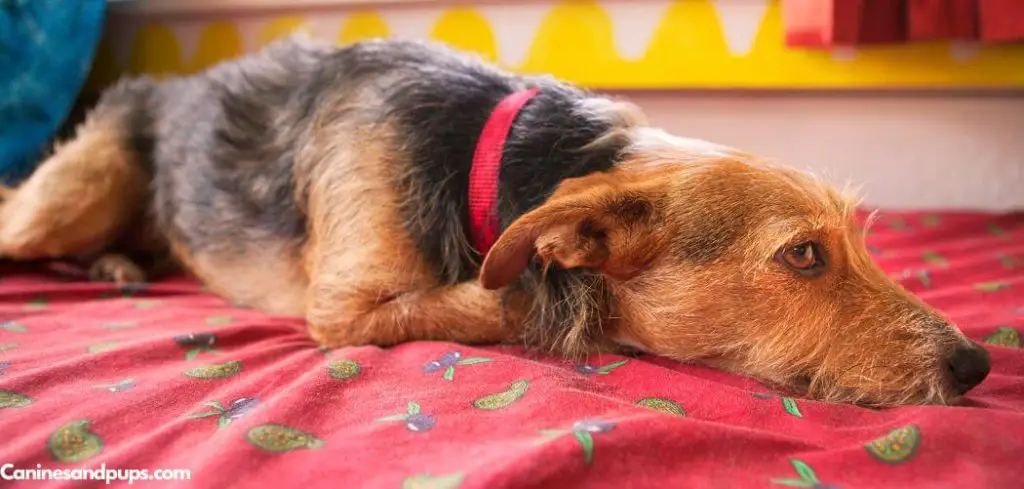
Dog Suddenly Has Diarrhea: Common Causes
Dietary Indiscretion
One of the most frequent reasons a dog suddenly has diarrhea is simply eating something they shouldn’t. Dogs are naturally curious and may raid the trash, grab food off the counter, or eat spoiled or fatty foods outside.
These foods irritate the gastrointestinal tract, leading to sudden loose stools, gas, abdominal discomfort, or even vomiting. You may notice diarrhea within hours of your dog eating the culprit food.
This cause is typically mild but can become more serious if the dog ingests bones, toxic foods, or foods high in fat, which can trigger pancreatitis.
Fast, watery diarrhea after a dietary mistake is common, but continued symptoms should be treated seriously.
Related: Dog sick diarrhea and not eating (Causes explained)
Stress
Stress-induced diarrhea is often underestimated. Dogs have highly sensitive digestive systems that react quickly to emotional or environmental changes.
Stressors such as moving homes, loud noises, fireworks, new pets, visitors, car rides, boarding, grooming appointments, or separation from their owner can all cause sudden diarrhea.
When a dog is anxious, stress hormones increase gut motility, pushing stool through too quickly. This results in soft, loose, or watery stools that appear abruptly, even in otherwise healthy dogs.
Stress diarrhea often resolves when the trigger ends, but persistent symptoms may indicate an additional underlying cause.
Parasites
Parasites are a major cause of sudden diarrhea, especially in puppies or dogs who explore outdoor environments, drink from puddles, or interact with unfamiliar dogs.
Giardia commonly causes sudden explosive diarrhea that may appear greasy, foul-smelling, or yellow. Roundworms and hookworms may produce soft stool, weight loss, or abdominal swelling. Whipworms often cause chronic, intermittent diarrhea with mucus or streaks of blood.
These parasites inflame the intestines, preventing normal water absorption and causing rapid onset diarrhea. Even dogs on preventatives can contract parasites from contaminated soil, water, or feces.
Because parasites spread easily and often cause dehydration, testing and treatment are important if diarrhea doesn’t resolve quickly.
Bacterial or Viral Infections
Dogs can develop bacterial infections (such as Salmonella, Campylobacter, or Clostridium) or viral conditions like parvovirus, canine coronavirus, or rotavirus. These infections inflame the intestinal lining and disrupt normal digestion.
Sudden, severe diarrhea often develops quickly and may be accompanied by vomiting, lethargy, fever, or blood in the stool.
Puppies are especially vulnerable to viral infections and can decline rapidly without treatment.
Infections can develop after exposure to contaminated food, water, or feces, or from contact with infected dogs. Because some infections are zoonotic (spread to humans), proper medical care is essential.
Food Sensitivities
Dogs may suddenly develop diarrhea after eating a new food, treat, chew, or protein source. Food sensitivities can appear abruptly, even if a dog has been tolerating a diet for months.
When the immune system reacts to a dietary ingredient, inflammation occurs in the gut. This leads to loose stool, gas, rumbling intestines, or soft stool that worsens with certain foods.
You may notice diarrhea shortly after meals, or diarrhea that improves when your dog skips a meal but returns when food is reintroduced. If this pattern continues, a food sensitivity or intolerance should be considered.
Pancreatitis
Pancreatitis is a serious medical condition that causes inflammation of the pancreas, often triggered by fatty foods, dietary indiscretion, or underlying metabolic issues.
Dogs with pancreatitis often develop sudden diarrhea along with vomiting, abdominal pain, lethargy, and refusal to eat.
The inflamed pancreas releases digestive enzymes that irritate surrounding organs and lead to gastrointestinal upset.
This condition can escalate quickly and requires veterinary care. If your dog shows signs of pain, weakness, or refuses food along with diarrhea, pancreatitis may be the cause.
Toxin Exposure
Dogs who ingest toxic substances—such as certain plants, household chemicals, medications, rodenticides, or antifreeze—often develop sudden diarrhea as the body attempts to eliminate the toxin.
Diarrhea caused by toxins may be accompanied by vomiting, drooling, shaking, pale gums, or difficulty walking. Even small amounts of certain toxins can cause severe symptoms.
Because toxin ingestion is always an emergency, this cause should be considered if symptoms appear very suddenly or if you suspect your dog got into something hazardous.
Related: Old dog constant diarrhea (Why it happens)
What To Do If Your Dog Suddenly Has Diarrhea
When your dog suddenly has diarrhea, the first step is to assess their overall condition. If your dog is bright, alert, eating normally, and acting like themselves, you can usually begin with supportive care at home.
Offer small amounts of water frequently to prevent dehydration, especially if the diarrhea is watery. You may also provide a bland diet such as boiled chicken and plain white rice for 24–48 hours to give the intestines time to settle.
Keep your dog rested and comfortable, limiting vigorous activity and monitoring for new symptoms such as vomiting, blood in the stool, or increased frequency of diarrhea.
Avoid giving new treats, table scraps, or changes in diet during recovery. If your dog recently experienced stress, provide a calm environment, reassurance, and predictable routines until symptoms resolve.
Some owners use veterinarian-approved probiotics to help restore healthy gut bacteria, but avoid over-the-counter medications unless your vet instructs you to use them.
If diarrhea persists beyond a day or two, recurs, or is accompanied by illness, professional evaluation is important to identify the underlying cause and guide treatment.
When to Call or Visit Your Vet
If your dog suddenly has diarrhea along with vomiting, visible blood, tar-black stool, or signs of dehydration, you should seek veterinary care immediately.
Contact your vet if your dog becomes lethargic, refuses food, has pale gums, or develops a fever. These may indicate infection, pancreatitis, or another medical emergency. Puppies, small breeds, and senior dogs are especially vulnerable to rapid dehydration.
You should also call your veterinarian if diarrhea lasts more than 24–48 hours, keeps returning, or occurs after eating something potentially toxic. Any dog exposed to parasites, contaminated water, or unfamiliar environments should be evaluated if diarrhea appears suddenly.
Trust your instincts. If your dog seems unlike themselves in any way, it is safest to have them examined promptly.
Read more: Dog throwing up and diarrhea (Why it happens)
Key Takeaway
A dog suddenly having diarrhea can be caused by dietary mistakes, parasites, infections, stress, food sensitivities, or underlying medical conditions.
While many cases resolve with rest, hydration, and a bland diet, others require veterinary treatment to prevent dehydration or complications.
By watching your dog closely and seeking help when symptoms persist or worsen, you can ensure they recover safely and comfortably.