
A dog suddenly falling onto its side can be frightening to witness, especially if it happens without warning.
Some dogs briefly lose balance from minor causes, but sudden collapsing or falling sideways may indicate neurological problems or other serious medical conditions that require attention.
Table of Contents
Dog Suddenly Falls Onto Side: Why It Happens
A dog suddenly falling onto its side is often experiencing weakness, dizziness, neurological dysfunction, heart problems, vestibular disease, or seizure-related episodes. Some dogs collapse briefly and recover quickly, while others remain disoriented or unable to stand afterward.
Falls may occur because the brain, nerves, muscles, or circulation are not functioning properly.
In senior dogs, especially, sudden balance problems should always be taken seriously.
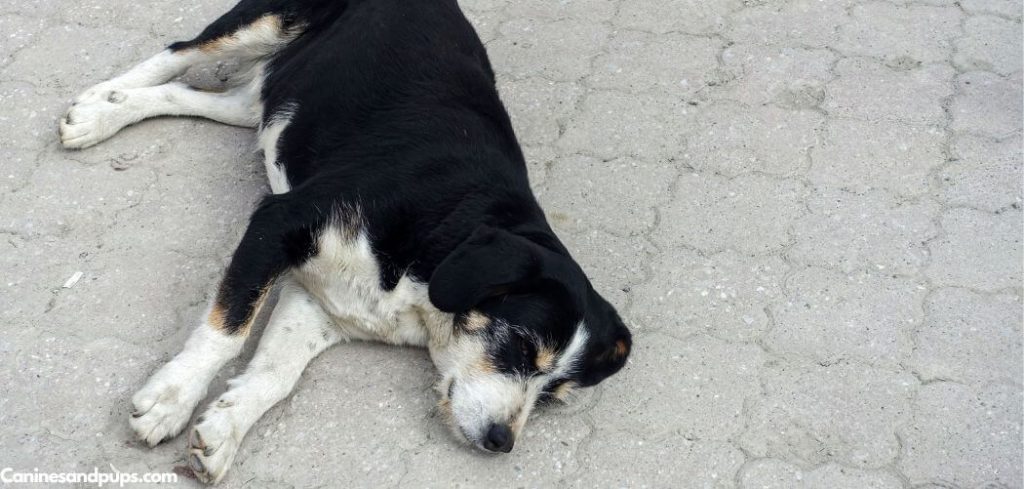
Is It Normal for a Dog to Suddenly Fall Over?
No, a dog suddenly falling onto its side is not considered normal.
Even if the episode lasts only a few seconds, sudden collapse or loss of balance can indicate serious underlying disease. Dogs that repeatedly fall, wobble, or collapse should always be evaluated by a veterinarian as soon as possible.
Dog Suddenly Falls Onto Side: Symptoms
Dogs that suddenly fall onto their side may show additional concerning symptoms.
Common symptoms include:
Sudden collapse or falling
Loss of balance or coordination
Weakness in the legs
Disorientation or confusion
Trembling or shaking
Rapid eye movements or head tilt
Difficulty standing afterward
Dog Suddenly Falls Onto Side: Common Causes
Vestibular Disease
Vestibular disease affects the balance system and is a very common reason dogs suddenly fall sideways. It often appears abruptly and can make dogs seem dizzy or disoriented.
Dogs with vestibular disease may develop a head tilt, stumble, circle, or struggle to stand. Senior dogs are especially prone to idiopathic vestibular syndrome, which often improves gradually with supportive care.
Related: Old Dog Vestibular Disease (Signs to watch out for)
Seizures
Some seizures cause dogs to suddenly collapse onto their side, stiffen, paddle their legs, or shake uncontrollably. Mild seizures may only cause brief collapse and confusion.
After a seizure, dogs often appear disoriented, restless, tired, or temporarily unable to walk normally.
Heart Problems
Heart disease can reduce blood flow to the brain and lead to fainting or collapse episodes. Dogs with heart-related collapse may suddenly fall over during activity or excitement.
Some recover quickly after a brief episode, while others show weakness, coughing, or labored breathing.
Read more: Dog Suddenly Can’t Walk (Emergency causes explained)
Neurological Disorders
Brain or spinal cord problems can interfere with coordination and muscle control. Conditions such as strokes, tumors, inflammation, or nerve disease may cause sudden falling episodes.
Dogs with neurological conditions may also show abnormal eye movements, confusion, weakness, or personality changes.
Low Blood Sugar
Low blood sugar, also called hypoglycemia, can cause weakness, collapse, trembling, and sudden falls. Puppies and diabetic dogs are especially vulnerable.
Affected dogs may appear shaky, weak, confused, or unusually sleepy before collapsing.
Severe Weakness or Illness
Serious infections, anemia, dehydration, poisoning, or internal disease can make dogs too weak to remain standing properly.
Dogs experiencing severe illness often show lethargy, appetite loss, vomiting, or breathing changes alongside the collapse.
Injury or Pain
Sudden pain from back injuries, joint problems, or muscle strain can occasionally cause a dog to lose balance and fall.
Dogs with painful conditions may hesitate to move afterward or cry out when trying to stand.
Read more: Dog Losing Balance and Not Eating (Common causes)
Dog Suddenly Falls Onto Side: What to Do
If your dog suddenly falls onto its side, keep them calm and prevent injury from stairs, furniture, or sharp objects nearby.
Observe carefully whether your dog remains conscious, shakes, paddles the legs, or seems disoriented. These details can help your veterinarian identify the cause.
Do not force your dog to stand immediately if they appear weak or unstable. Allow them to recover calmly while monitoring breathing and responsiveness.
Keep the environment quiet and avoid excessive stimulation if your dog appears confused or dizzy after the episode.
If possible, record the episode on video safely. Videos are often extremely helpful for veterinarians evaluating neurological or collapse events.
When to Call or Visit Your Vet
You should contact your veterinarian immediately if your dog suddenly falls onto its side, especially if the episode is unexplained.
Seek emergency veterinary care if your dog has seizures, difficulty breathing, pale gums, repeated collapse, inability to stand, or prolonged confusion afterward.
Urgent evaluation is also important if your dog shows head tilt, rapid eye movements, severe weakness, vomiting, or loss of consciousness.
Even if your dog appears normal afterward, sudden collapse episodes should still be investigated because serious heart or neurological disease may be involved.
Dog Suddenly Falls Onto Side: Treatment
Veterinary treatment depends entirely on the underlying cause. Your veterinarian may perform bloodwork, neurological exams, chest imaging, heart testing, or advanced imaging such as MRI or CT scans.
Dogs with vestibular disease often improve with supportive care, anti-nausea medication, and rest.
Seizure disorders may require anti-seizure medication and long-term monitoring.
Heart disease may need medications to improve circulation and reduce strain on the heart.
Dogs with infections, low blood sugar, or toxin exposure may require emergency hospitalization and intensive supportive care.
Recovery and Monitoring
Recovery varies greatly depending on the cause of the collapse or fall. Some dogs recover quickly from vestibular episodes or mild fainting, while others require long-term treatment for chronic disease.
Monitor your dog closely for repeated falls, breathing changes, confusion, appetite loss, or worsening weakness.
Restrict access to stairs and slippery floors during recovery to reduce the risk of injury.
Follow all veterinary instructions carefully and attend recommended follow-up visits if neurological or heart disease is suspected.
Key Takeaway
A dog suddenly falling onto its side is not normal and may signal a serious medical problem involving the brain, heart, nerves, or balance system.
Vestibular disease, seizures, heart problems, and neurological conditions are among the most common causes.
Prompt veterinary evaluation is extremely important, even if the dog appears to recover quickly afterward.
Early diagnosis and treatment greatly improve the chances of a safer recovery and better long-term outcome.


