
A dog suddenly becoming extra cuddly can feel sweet at first, but it often leaves owners wondering whether something deeper is going on.
A sudden shift in affection—especially when it appears out of nowhere—can signal emotional needs or even early signs of discomfort.
This guide explains the most common reasons a dog suddenly becomes cuddly, what you can do at home, and when it’s best to involve your veterinarian.
Dog Suddenly Cuddly: Why It Happens
A dog suddenly becoming unusually cuddly is most often linked to changes in emotional comfort, anxiety triggers, environmental stress, or shifts in their physical well-being. Dogs may seek physical closeness when they feel insecure, when routines change, or when something in their surroundings feels “off” to them.
Some become clingier when they experience aches or mild discomfort because their instinct is to seek reassurance from their trusted person.
Others simply go through a temporary behavioral phase driven by bonding, maturing, or hormonal changes. For many dogs, increased cuddling is a way of expressing affection, seeking safety, or coping with stress in their environment.
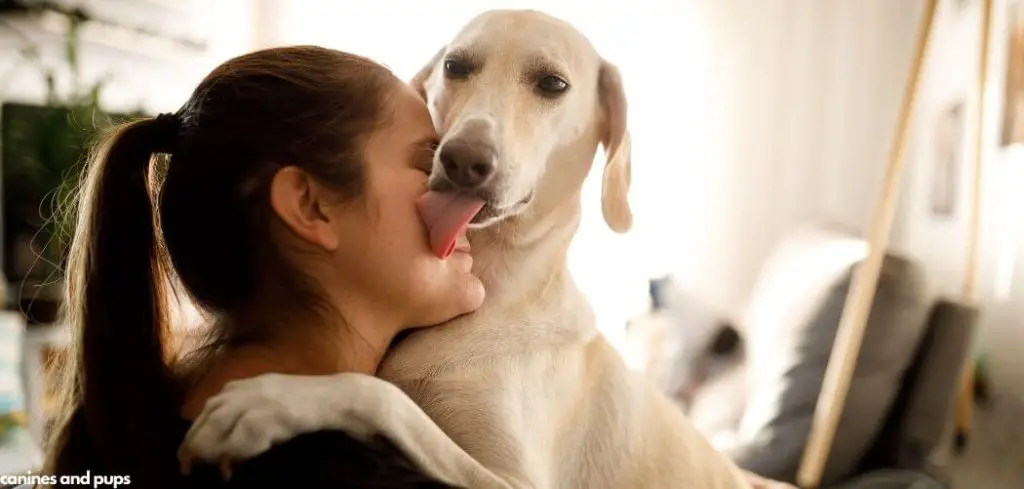
Dog Suddenly Cuddly: Common Causes
Anxiety
Dogs often become more affectionate when they feel stressed or uncertain. Anxiety can cause a dog to lean more heavily on the person they trust most, which appears as sudden cuddling, following you around, or wanting constant physical contact.
A dog experiencing separation anxiety might cling to you when you’re home because they feel unsafe being alone. Noise sensitivity from thunderstorms, fireworks, or construction can also push dogs toward their owners for comfort.
Even subtle stressors—like moving furniture, unfamiliar visitors, or changes in routine—can trigger this sudden need for closeness.
Because dogs rely on consistent patterns to feel secure, anything that disrupts their normal life can result in a clingy or overly affectionate phase. While the cuddling itself isn’t harmful, it’s essential to identify what’s causing the underlying stress.
Seeking Warmth or Physical Comfort
Sometimes the explanation is surprisingly simple: your dog might be cold or seeking warmth.
Dogs naturally gravitate toward their humans for heat, and a sudden change in weather, drafty sleeping spot, or cooler home environment can make your dog curl up next to you more than usual.
Other times, the dog might be responding to physical discomfort. Mild joint pain, digestive upset, or body aches can make them want to snuggle close because it feels soothing.
Dogs don’t always whine or limp when they’re uncomfortable—many show their discomfort through changes in behavior.
This type of cuddling usually appears suddenly, and if your dog rests their weight against you, curls tightly, or avoids certain movements, it may signal they’re seeking comfort from physical sensations rather than emotional ones.
Related: Dog licking me excessively (Here’s why)
Illness or Discomfort
Although “dog suddenly cuddly” is primarily a behavior topic, physical discomfort can still play a role.
Some dogs become more affectionate when they don’t feel well because they instinctively seek comfort and reassurance from their closest person.
Hormonal shifts, low blood sugar, nausea, fatigue, or mild pain can all lead to clingy or cuddly behavior.
Dogs may stick close to you when they feel vulnerable, especially if they’re frightened by the sensations they’re experiencing.
The challenging part is that dogs often hide overt symptoms of illness. Instead of showing clear signs, they may quietly communicate through changes in behavior—being clingy, wanting to lie on you, or refusing to leave your side.
While cuddling itself isn’t a red flag, the suddenness of the change can indicate something medical is brewing beneath the surface.
Emotional Bonding
Some dogs become suddenly cuddly simply because their bond with you has deepened. This behavioral shift can appear during life transitions—such as a new home, a new baby, or changes in family members’ schedules—when your dog relies more heavily on their primary attachment figure.
Dogs also repeat behaviors that earn attention. If you responded warmly the last time your dog cuddled or snuggled up to you, they may have learned that this behavior earns them affection, pets, or treats.
Over time, this reinforcement can create a sudden intensification of cuddling as your dog realizes how much they enjoy your closeness—and how much attention they receive for it.
This is often a positive form of affection, but if your dog becomes so attached that they struggle to be alone, it may signal early dependence.
Environmental Triggers or Changes
Dogs are sensitive to subtle changes in their environment. A sudden increase in cuddling may happen when something feels different to your dog—often something you might not notice at all.
New furniture, unfamiliar sounds outside, visiting guests, changes in household scent (such as new cleaning products or laundry detergent), or even your own emotional state can make your dog seek closeness.
Dogs often mirror their owners; if you’re sad, stressed, or tired, your dog might respond with cuddling as a form of comfort for both of you.
Even positive changes—like new pets, new routines, or more time spent at home—can create unexpected behavioral shifts. When dogs feel unsure, they tend to stick close to the safest person in the room: you.
Age-Related Behavioral Shifts
As dogs grow older, they often experience changes in how they bond and express affection. Some seniors become more attached as their senses decline or as they seek routine and familiarity to feel safe.
Older dogs may cuddle more when their vision or hearing decreases, when they feel colder more easily, or when joint stiffness makes them want to lie close to you rather than move around independently.
You might notice your older dog leaning on you more, resting their head in your lap, or choosing to sleep touching you when they didn’t before. These shifts can be gentle signs that they’re becoming more dependent on your presence for comfort and reassurance.
Related: Dog excessively licking my feet (Why it happens)
What to Do If Your Dog Is Suddenly Cuddly
If your dog suddenly becomes extra cuddly, start by observing their environment and recent routine. Look for changes that might have influenced their behavior—such as new stressors or disruptions to their normal day.
Sometimes simply restoring consistency or creating a calmer environment helps your dog relax and regain confidence.
Spend intentional bonding time each day, such as gentle petting, short play sessions, or quiet time together.
This helps reinforce positive behavior without letting clinginess escalate into separation anxiety. Provide mental stimulation with puzzle feeders or chew toys to support emotional balance.
Monitor your dog for any signs of discomfort, such as reduced appetite, lethargy, stiffness, or digestive changes.
If your dog’s behavior seems out of character or persistent, consider whether subtle illness may be contributing. Offering a warm, comfortable resting spot can also help if your dog is seeking physical comfort.
Most importantly, stay calm and consistent. Dogs sense your energy, and your reassurance can help them feel safe. If the cuddling feels excessive, gently encourage independence by rewarding calm behavior when your dog settles away from you.
When to Call or Visit Your Vet
Seek veterinary advice if your dog’s sudden cuddling is paired with any concerning symptoms, especially if the change is drastic or accompanied by unusual behavior.
If your dog becomes clingy along with lethargy, vomiting, tremors, or appetite changes, it may signal underlying discomfort or early signs of illness.
A vet visit is also recommended if your dog shows signs of pain when moving, becomes unsettled at night, or appears anxious without a clear reason.
Any sudden behavioral change in a senior dog deserves attention, as age-related disorders can emerge subtly.
If the cuddling escalates into clinginess or panic when you leave the room, your veterinarian or a certified trainer can help you address early separation anxiety before it worsens.
Read more: Dog Suddenly Confused (What it means)
Key Takeaway
A dog suddenly becoming cuddly often reflects emotional needs, environmental changes, or a desire for reassurance.
While many cases are harmless and simply part of your dog’s affectionate nature, sudden shifts can also hint at stress or early signs of discomfort. Support your dog with calm consistency, observe their behavior closely, and reach out to your veterinarian if anything seems off.
With the right balance of comfort and guidance, you can help your dog feel secure, confident, and deeply connected to you.