
It can be worrying and confusing when a dog that once happily devoured every meal suddenly becomes picky about food.
Changes in appetite can happen for many reasons, ranging from emotional stress to underlying medical issues, and owners often don’t know where to start.
This guide explains the most common reasons a dog may suddenly become a picky eater, what you can do at home, and when it’s best to involve your veterinarian.
Dog Suddenly Becomes Picky Eater: Why It Happens
A dog suddenly becoming a picky eater usually happens because of temporary stomach upset, stress, environmental changes, dental discomfort, food aversion, or a developing medical issue that affects appetite.
Dogs may refuse certain foods when their stomach feels off, when they are anxious, when their environment has changed, or when a painful condition makes eating uncomfortable.
Some cases are mild and resolve quickly, while others require veterinary attention to prevent weight loss, dehydration, or worsening illness.
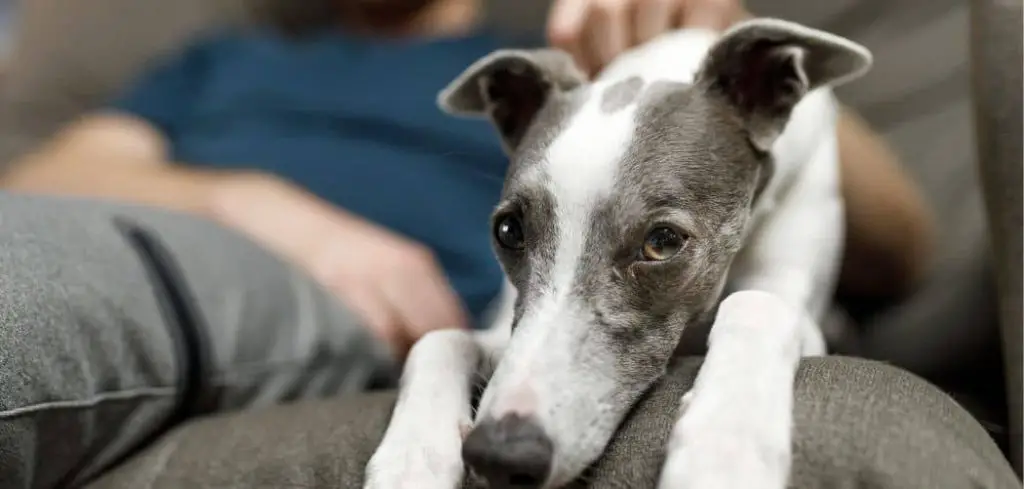
Dog Suddenly Becomes Picky Eater: Common Causes
Mild Gastrointestinal Upset
A dog may suddenly become picky about food when their stomach is unsettled or irritated. Even mild gastrointestinal disturbances—such as eating something unusual, changes in diet, or simple indigestion—can cause temporary appetite changes.
You might notice your dog sniffing their food but refusing it, eating only small amounts, or choosing soft foods over crunchy kibble.
GI discomfort is one of the most common reasons for sudden picky eating, and while many cases resolve within 24–48 hours, persistent or worsening symptoms may point to a deeper issue like gastritis or early pancreatitis.
Related: Dog suddenly not eating and vomiting (Why it happens)
Stress
Dogs are sensitive to their environment, and sudden stress can quickly affect their appetite. Moves, schedule changes, new pets, loud noises, owner absence, or changes in the household can cause picky eating.
A stressed dog may pick at food, walk away mid-meal, or only eat when their favorite person is present. Some dogs may take food from your hand but refuse it from their bowl.
Stress-related appetite changes often resolve once the environment stabilizes, but chronic anxiety can lead to long-term picky eating or even complete food refusal if not addressed.
Dental Pain
Dental issues are one of the most overlooked causes of appetite changes. A dog with sore gums, loose teeth, tooth fractures, or oral infections may suddenly become selective about food—usually preferring soft items or refusing crunchy kibble.
You might notice pawing at the mouth, drooling, chewing on one side of the mouth, or dropping food during meals.
Mouth pain makes eating difficult and unpleasant, so dogs often develop picky eating habits to avoid discomfort. Treating the underlying dental problem typically restores appetite quickly.
Food Aversion
Dogs can develop sudden aversions to certain foods, especially if they associate a particular meal with nausea or discomfort. This can happen even if the food itself wasn’t the cause of their upset.
Other dogs simply become bored, especially when eating the same food for months or years. They may push food around, sniff it, or wait to see if something “better” appears.
Food aversions can persist and quickly transition into chronic picky eating. Rotating protein sources within the same brand or offering toppers can help, but sudden changes should be made carefully to avoid worsening stomach upset.
Underlying Medical Illness
Appetite changes can be one of the earliest signs of many medical conditions. Dogs may become picky eaters when their body is fighting infection, dealing with inflammation, experiencing hormone changes, or struggling with pain.
Conditions such as pancreatitis, kidney disease, liver disease, fever, cancer, and endocrine disorders can all affect appetite.
Dogs with early illness may not stop eating completely—they simply become selective, eating treats or preferred foods but refusing their normal diet.
Because appetite changes may appear before other symptoms, picky eating should not be ignored if it persists more than a day or two.
Overfeeding Treats or Table Scraps
Sometimes picky eating has a simple explanation: too many treats. Dogs who get frequent snacks, table food, or high-reward training treats may hold out for “better” options when regular meals appear.
A dog that fills up on high-calorie treats may stop eating their kibble, becoming selective even if they are not sick.
This habit can develop quickly and can lead to nutrient deficiencies, weight gain, or complete refusal of normal meals. Resetting feeding habits often restores normal appetite.
Related: Dog shaking and not eating (Here’s why)
What to Do If Your Dog Suddenly Becomes a Picky Eater
If your dog suddenly becomes a picky eater, start by staying calm and observing their behavior. Look for any changes in the environment, schedule, or household that might be adding stress. Gently offer the food again later and avoid coaxing with excessive treats, as this can reinforce picky habits even if they started because of a medical or emotional issue.
Try warming the food slightly or adding a small amount of low-sodium broth to improve aroma and encourage eating. Sometimes simply adjusting feeding times—allowing your dog to eat when they are relaxed—helps restore appetite. Ensure the feeding area is quiet and free from stress triggers such as loud noises, other pets, or household activity.
If you suspect stomach upset, giving your dog time to rest their digestive system can help.
Offer small meals that are easy to digest, like their normal kibble softened with warm water, unless your veterinarian has recommended a specific diet. Avoid switching foods abruptly, as sudden diet changes can worsen stomach issues.
If dental pain is suspected, avoid hard treats or crunchy foods and check for signs like drooling or chewing on one side. Veterinary dental evaluation may be necessary to rule out underlying oral problems.
If your dog continues to refuse meals, appears lethargic, or shows additional symptoms, it’s best to involve your veterinarian before trying multiple food changes or home remedies.
When to Call or Visit Your Vet
You should contact your veterinarian if your dog has suddenly become a picky eater and the behavior lasts longer than 24–48 hours, especially if it is accompanied by other symptoms.
If your dog is refusing meals entirely, seems unusually tired, or is vomiting or having diarrhea, a medical cause is more likely. Dogs with dental disease may drool, paw at the mouth, or avoid chewing, and these signs should also be evaluated. Persistent picky eating can also lead to weight loss, dehydration, or worsening of an underlying condition.
If your dog begins refusing water, shows signs of abdominal pain, or appears distressed, do not wait.
Sudden appetite changes can be an early warning sign of serious illness, and early diagnosis often leads to better outcomes. It is always better to err on the side of caution when appetite changes come on quickly and do not improve.
Read more: Dog Only Drinking Water and Not Eating (What it means)
Key Takeaway
A dog suddenly becoming a picky eater can stem from something simple like stress or boredom, but it can also indicate an underlying medical issue that needs attention.
Watching for additional symptoms, adjusting their environment, and offering gentle support at home can help many dogs return to normal eating habits.
If picky eating persists or if your dog seems unwell, contacting your veterinarian ensures your dog gets the care they need.
With the right support and timely action, most dogs regain their appetite and go back to enjoying their meals.