
A dog that seems sore after a vaccine can worry even the most experienced pet owner, especially when that stiffness or discomfort shows up suddenly after a routine vet visit.
Soreness can look like limping, flinching when touched, reluctance to move, or acting quieter than usual, and while mild reactions are common, more serious ones can happen too.
Table of Contents
Dog Sore After Vaccine
Soreness after a vaccine happens because your dog’s immune system is responding to the injection and creating inflammation in the muscles and tissues where the vaccine was given.
That inflammation can irritate nearby nerves, cause swelling, and make movement uncomfortable, especially in the shoulders or hindquarters where vaccines are typically administered.
Some dogs also experience whole-body aches as immune cells release chemicals that trigger fever and muscle tenderness.
Larger dogs, sensitive breeds, and dogs receiving multiple vaccines at once are more likely to feel stiff and sore for a day or two after their shot.
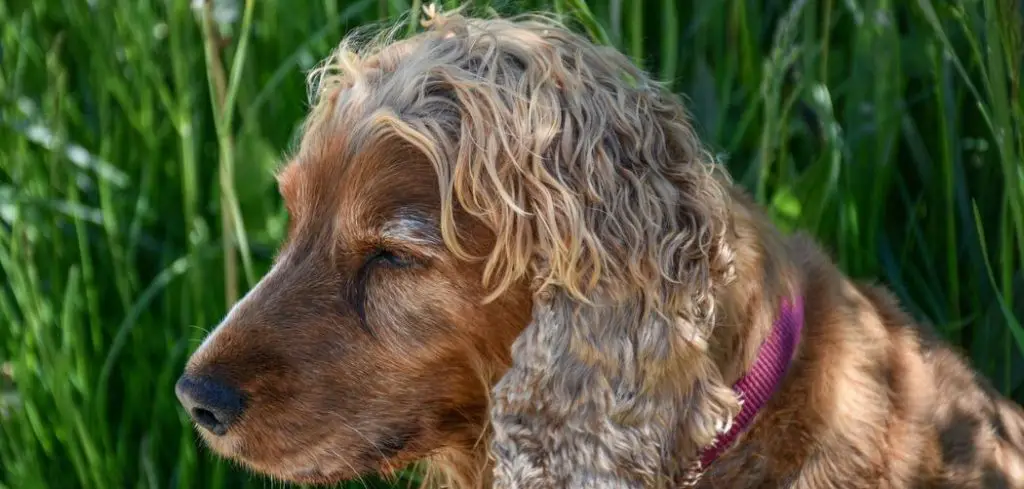
Dog Sore After Vaccine: Common Causes
Localized Injection-Site Inflammation
The most common reason a dog is sore after a vaccine is inflammation where the needle entered the muscle.
Vaccines are designed to activate the immune system, and when immune cells rush to the injection site, they release inflammatory chemicals that cause swelling, heat, and pain.
This can make the muscle feel tight and tender, similar to how people feel after a flu shot.
You may notice your dog flinching when touched near the shoulder or hip, walking stiffly, or avoiding lying on one side.
Some dogs may even yelp when moving because the muscle fibers are sore. While this reaction is usually mild and improves within a few days, significant swelling or increasing pain can signal a stronger inflammatory response that needs veterinary attention.
Related: Dog diarrhea after vaccines (Is it normal?)
Immune System Activation and Body Aches
Vaccines work by stimulating the immune system to recognize and fight disease, but that process can temporarily make the entire body feel achy.
Immune cells release substances called cytokines, which can trigger low-grade fever, muscle soreness, and fatigue. This is why some dogs seem sore all over rather than just at the injection site.
A dog experiencing this type of soreness may appear stiff when standing up, move slowly, or choose to lie down more than usual.
You might also notice decreased appetite or general lethargy along with the soreness. These symptoms usually fade within 24 to 48 hours, but prolonged discomfort suggests the immune response is stronger than expected.
Swelling or a Vaccine Reaction Lump
Some dogs develop a firm lump or swelling under the skin where the vaccine was administered. This happens when immune cells and fluid accumulate in the tissue, creating pressure that makes the area painful.
These lumps can feel warm and may be sensitive to touch, causing your dog to pull away or act uncomfortable.
While most vaccine lumps shrink and disappear over several weeks, rapid growth, redness, or severe pain can indicate infection or a more serious inflammatory reaction.
Dogs with painful lumps often avoid using the affected limb or act protective when you touch the area.
Allergic Reaction
In some cases, soreness is part of a broader allergic reaction to vaccine components. This can cause widespread inflammation in the skin, joints, and muscles, making movement uncomfortable.
Allergic reactions can develop within minutes to hours after vaccination and may include swelling of the face, hives, itching, or vomiting in addition to soreness.
A dog having this type of reaction may suddenly become very uncomfortable, restless, or weak.
Soreness combined with these other signs is a medical emergency, as allergic reactions can escalate quickly and affect breathing or circulation.
Joint or Muscle Flare-Up in Sensitive Dogs
Dogs with arthritis, joint disease, or muscle problems may experience a flare-up of pain after vaccination because immune system activation increases inflammation throughout the body.
Even if the injection itself was done properly, the immune response can aggravate existing joint or muscle conditions, leading to noticeable soreness.
These dogs may limp, have trouble standing up, or appear more uncomfortable than usual.
You might notice their dog is reluctant to climb stairs or jump, which can make it seem like the vaccine caused a new injury when it actually triggered inflammation in an already sensitive area.
Nerve Irritation from Injection
Although rare, the vaccine needle can sometimes irritate or bruise a nerve, especially if the injection was given close to a nerve bundle.
This can cause sharp pain, twitching, or weakness in the affected limb. Dogs with nerve irritation may cry out suddenly, hold up a leg, or show ongoing sensitivity at the injection site.
Nerve-related soreness tends to be more intense and longer-lasting than simple muscle inflammation. If your dog continues to limp or act painful for several days, this possibility should be evaluated by a veterinarian.
Read more: Dog panting and in pain (Why it happens)
What to Do If Your Dog Is Sore After a Vaccine
The most helpful thing you can do at home is allow your dog to rest and recover. Keep activity light for the first 24 to 48 hours, avoiding running, jumping, or rough play. Gentle movement, like short leash walks, can help keep muscles from stiffening without adding strain.
Apply a cool compress to the injection area for a few minutes at a time during the first day if your dog tolerates it. This can reduce swelling and soothe sore muscles. Make sure the compress is wrapped in a cloth so it does not irritate the skin.
Offer a comfortable, warm place to rest and make sure your dog has easy access to water and food. Soreness can make dogs hesitant to move, so placing bowls nearby can encourage normal eating and drinking. A quiet, calm environment helps reduce stress, which can otherwise increase inflammation and discomfort.
Avoid giving human pain medications, as many are toxic to dogs. If your veterinarian prescribed pain relief or anti-inflammatory medication for after vaccination, give it exactly as directed. Monitor the injection site daily for changes in size, redness, or heat.
If your dog’s soreness seems mild and improves each day, this is a normal recovery pattern. Gradual improvement is a good sign that the immune system is settling.
When to Call or Visit Your Vet
Contact your veterinarian if your dog’s soreness lasts longer than two to three days or seems to be getting worse instead of better. Ongoing pain suggests a more significant inflammatory or nerve-related issue that may need treatment.
Seek immediate veterinary care if your dog has swelling of the face, hives, vomiting, diarrhea, difficulty breathing, collapse, or extreme lethargy along with soreness. These signs point to an allergic reaction that requires urgent medical attention.
You should also call your vet if the injection site becomes very large, hard, hot, or starts oozing fluid. These changes can indicate infection or severe inflammation that needs professional care.
If your dog cannot bear weight on a leg, cries out in pain, or shows signs of weakness or paralysis, this is not a typical vaccine reaction and should be evaluated right away.
Read more: Dog side effects after vaccines (Possible reactions explained)
Key Takeaway
Soreness after a vaccine is usually a normal sign that your dog’s immune system is responding and building protection, but it should be mild and temporary.
Gentle care, rest, and close monitoring can help your dog feel better as their body recovers.
If pain is severe, long-lasting, or paired with other concerning symptoms, your veterinarian can quickly determine whether the reaction is routine or something that needs treatment.