
Discovering that your dog is pooping yellow mucus mixed with blood can definitely be worrying, particularly when you notice the stool is runny, has a slimy texture, or happens more often than it normally does.
You might spot yellow or jelly-like mucus covering the poop, see streaks of bright red blood, or notice small amounts of bloody mucus coming out separately during bowel movements.
How serious this situation is really depends on the quantity of blood present, how regularly your dog is having bowel movements, and if additional symptoms start showing up.
It’s important to pay attention to your dog’s appetite, energy levels, how well they’re staying hydrated, their age, any recent changes to their diet, and whether they’re experiencing vomiting or belly discomfort when figuring out how quickly you should get help.
Table of Contents
Dog Pooping Yellow Mucus and Blood: Why It Happens
A dog pooping yellow mucus and blood may have large-intestine inflammation or irritation, commonly associated with colitis. Possible causes include dietary indiscretion, sudden food changes, intestinal parasites, infections, stress-related colitis, or other gastrointestinal disorders.
Mucus often becomes more noticeable when the intestinal lining produces excess protective secretions, while fresh red blood may indicate irritation or damage to the lining of the bowel.
The yellow color can come from mucus mixed with stool or intestinal contents and does not identify a specific disease.
The combination of yellow mucus and blood therefore needs to be interpreted alongside the stool consistency, frequency, and your dog’s overall condition.
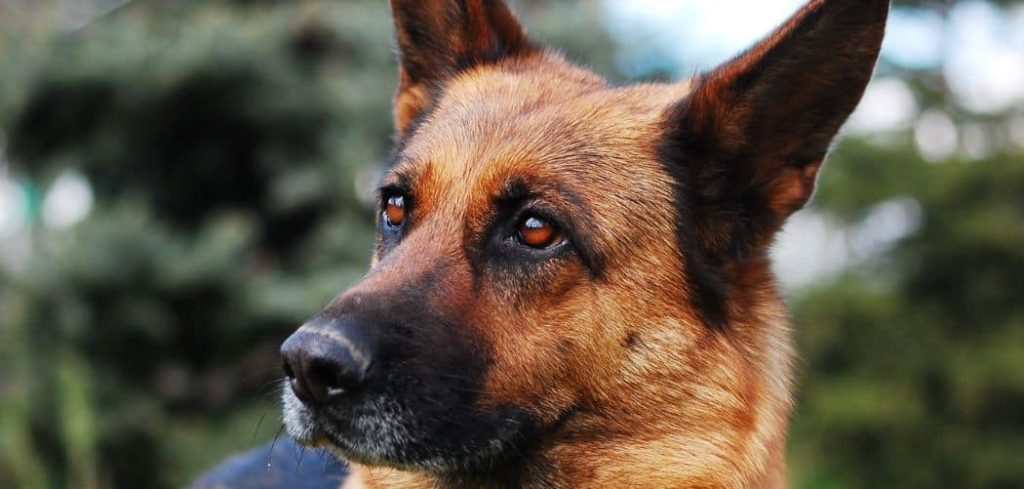
Dog Pooping Yellow Mucus and Blood: Common Causes
Colitis
Colitis is inflammation of the colon and is a common explanation for mucus and fresh blood appearing together in a dog’s stool.
An affected dog may pass frequent, small amounts of diarrhea, strain to poop, or repeatedly squat as though they still need to go.
The mucus may look clear, yellowish, or jelly-like, and blood may appear as bright red streaks.
Colitis can be temporary, but repeated episodes may indicate an ongoing digestive problem.
Related: Dog pooping yellow liquid but acting normal (Here’swhy)
Sudden Food Change
Changing your dog’s food too quickly can upset the digestive system.
A sudden change in ingredients, treats, or feeding routine may lead to diarrhea and increased mucus production.
If the intestinal lining becomes sufficiently irritated, small amounts of fresh blood may also appear.
If the symptoms began shortly after a food change, the transition may be contributing to the problem, although it does not rule out other causes.
Dietary Indiscretion
Eating something unusual can irritate the intestinal tract and trigger mucus-covered diarrhea.
Table scraps, rich foods, spoiled food, garbage, and unfamiliar items found outdoors can all cause digestive upset. Some dogs remain active initially even when their stool becomes abnormal.
If your dog may have swallowed a toxic substance or foreign object, seek veterinary advice promptly rather than assuming the symptoms are simply dietary upset.
Intestinal Parasites
Parasites can irritate the intestinal lining and cause mucus, diarrhea, and sometimes blood.
Depending on the parasite involved, your dog may also develop weight loss, poor appetite, vomiting, or changes in bowel frequency.
Puppies and dogs with incomplete parasite prevention may be particularly vulnerable.
Not seeing worms in the stool does not rule out intestinal parasites.
Related: Dog pooping yellow mucus (Causes and treatment)
Gastrointestinal Infection
Some bacterial, viral, and other gastrointestinal infections can cause inflammation that results in bloody, mucus-covered diarrhea.
Additional signs may include vomiting, fever, lethargy, reduced appetite, and dehydration. Puppies and dogs that are not fully vaccinated may be at increased risk from certain serious infections, including parvovirus.
Bloody diarrhea accompanied by significant illness warrants prompt veterinary attention.
Stress-Related Colitis
Stress can affect intestinal function in some dogs.
Travel, boarding, visitors, changes in the household, or disruption to a familiar routine may trigger colitis, leading to frequent bowel movements, mucus, and occasionally fresh blood.
Stress may be a contributing factor, but persistent or worsening bloody diarrhea should not automatically be blamed on anxiety.
Food Intolerance or Dietary Sensitivity
Some dogs develop digestive symptoms after eating particular ingredients.
These may include recurring diarrhea, mucus, gas, and occasional fresh blood associated with intestinal irritation. Symptoms may return repeatedly even when the dog appears healthy between episodes.
If the problem follows a consistent dietary pattern, discuss an appropriate feeding plan with your veterinarian rather than making frequent, abrupt food changes.
Medication-Related Digestive Upset
Some medications can affect the gastrointestinal tract and contribute to diarrhea or intestinal irritation.
If the bloody mucus began after your dog started a new medication or had a dose change, contact the prescribing veterinarian. Do not stop prescribed medication or give additional medicines without veterinary guidance.
Chronic Intestinal Inflammation
Recurring mucus and blood can sometimes occur with chronic inflammation of the digestive tract.
Affected dogs may experience repeated episodes of diarrhea, changes in appetite, vomiting, or weight loss. Symptoms can come and go, so a dog may appear normal between episodes.
If bloody mucus keeps returning, a veterinary assessment is important to determine whether an ongoing gastrointestinal condition is involved.
Other Intestinal Disease
Less commonly, bloody mucus can occur with more significant intestinal disease, including severe inflammation, polyps, growths, or other disorders affecting the bowel.
These possibilities become more concerning when the symptoms persist, recur, or occur alongside weight loss, vomiting, abdominal pain, reduced appetite, or weakness.
The color of the mucus alone cannot determine whether the underlying condition is mild or serious.
Dog Pooping Yellow Mucus and Blood but Acting Normal
A dog that is pooping yellow mucus and blood but still eating, drinking, and playing may have mild colitis or another form of lower intestinal irritation.
Normal behavior is reassuring, but it does not rule out an early infection, parasites, or another digestive problem.
Because blood is present, contact your veterinarian for guidance, especially if the symptom recurs.
Monitor how frequently your dog passes stool and whether the amount of blood increases. Seek prompt care if vomiting, reduced appetite, abdominal pain, weakness, or worsening diarrhea develops.
Dog Pooping Yellow Mucus and Blood and Throwing Up
A dog passing yellow mucus and blood while vomiting may have inflammation or irritation affecting more than one part of the digestive tract. Possible causes include gastrointestinal infection, dietary indiscretion, parasites, pancreatitis, or an intestinal obstruction.
Vomiting alongside bloody diarrhea increases the risk of dehydration and may indicate a more significant illness than mild colitis alone.
Contact your veterinarian immediately, and seek urgent care if vomiting is repeated, your dog cannot keep water down, or weakness or abdominal pain develops.
Dog Pooping Yellow Mucus and Blood and Not Eating
A dog passing bloody mucus and refusing food may be experiencing nausea, abdominal discomfort, or a more significant gastrointestinal problem.
A mild intestinal upset may leave appetite unchanged, so a noticeable loss of appetite alongside blood in the stool deserves attention.
Contact your veterinarian immediately if your dog refuses food, particularly when vomiting, weakness, or ongoing diarrhea is also present.
Puppies, senior dogs, and dogs with existing health conditions may need earlier assessment.
Related: Dog diarrhea yellow mucus (Causes and when to worry)
Dog Pooping Yellow Mucus and Blood With Diarrhea
Yellow mucus and blood mixed into diarrhea commonly suggest inflammation of the lower intestinal tract, particularly the colon. Colitis, parasites, infections, and dietary irritation are possible explanations.
Repeated diarrhea can cause fluid loss, while continued bleeding may signal a more significant intestinal problem.
If your dog is passing frequent watery or bloody stools, contact your veterinarian promptly rather than waiting for the symptoms to resolve on their own.
Dog Pooping Yellow Mucus and Blood After Changing Food
If yellow mucus and blood appeared after a food change, the dietary transition may have contributed to intestinal irritation. However, blood should not automatically be attributed to the new food.
Avoid introducing additional foods or treats while seeking veterinary guidance.
If the symptoms persist or worsen, your dog needs assessment to determine whether another gastrointestinal problem is present.
What to Do If Your Dog Is Pooping Yellow Mucus and Blood
Because blood is present, contact your veterinarian for advice rather than relying solely on home care. While arranging guidance, you can take these steps:
Keep fresh water available. Encourage normal drinking without forcing water into your dog’s mouth.
Monitor the stool. Note how often your dog poops, whether the mucus is yellow or clear, how much blood is present, and whether the stool becomes watery or black.
Avoid unfamiliar foods and treats. Do not add rich foods or make further sudden diet changes.
Keep track of other symptoms. Watch for vomiting, poor appetite, lethargy, abdominal discomfort, and changes in drinking or urination.
Save a fresh stool sample if practical. Your veterinarian may find it useful when assessing the problem.
Avoid unapproved medication. Do not give human antidiarrheal medicines, painkillers, or leftover antibiotics unless your veterinarian specifically directs you to.
If your dog is passing repeated bloody diarrhea, vomiting, becoming weak, or showing signs of dehydration, do not delay veterinary care while trying these measures.
When to Call or Visit the Vet
Contact your veterinarian if you notice yellow mucus and blood in your dog’s stool, particularly if the symptoms recur or continue.
Seek immediate veterinary attention if you notice:
Repeated bloody or mucus-covered diarrhea
Increasing amounts of blood
Frequent or watery diarrhea
Vomiting
Loss of appetite
Marked lethargy or weakness
Abdominal pain or swelling
Signs of dehydration
Weight loss
Fever or a significant change in behavior
Black, sticky, or tar-like stool
A puppy that develops bloody diarrhea, especially if not fully vaccinated
Seek urgent veterinary care if your dog collapses, becomes severely weak, has severe abdominal pain, repeatedly vomits, or appears seriously ill.
Dog Pooping Yellow Mucus and Blood: Treatment
Treatment is directed at the underlying cause and may involve supportive care for diarrhea and dehydration, appropriate dietary management, parasite treatment, management of intestinal inflammation or infection, or disease-specific treatment for a more serious gastrointestinal condition.
Key Takeaway
Dog pooping yellow mucus and blood often indicates irritation or inflammation of the intestinal tract, particularly the colon.
Dietary changes, eating unusual food, parasites, infections, and colitis are among the possible causes, but the appearance of the stool alone cannot identify the exact problem.
If your dog is otherwise acting normally, that is reassuring, but blood in the stool should not be ignored.
Contact your veterinarian for guidance, particularly if the symptoms continue or return.
Seek prompt care if vomiting, poor appetite, frequent diarrhea, weakness, abdominal pain, dehydration, or increasing amounts of blood develop. Early attention can help prevent complications and ensure that the underlying problem is treated appropriately.


