
It can be confusing and worrying to see your dog pooping water or very watery diarrhea, especially when they still seem playful, bright, and otherwise completely normal.
Even if your dog is eating, drinking, and behaving as usual, watery stool means something is irritating the digestive system — and sometimes that irritation can become serious if it continues.
This guide explains the most common reasons why a dog may poop water but act normal, what you can do at home, and when it’s best to involve your veterinarian.
Dog Pooping Water but Acting Normal: Why It Happens
A dog pooping water but acting normal is often experiencing mild gastrointestinal upset or irritation that hasn’t yet affected their appetite, energy, or behavior. Common causes include dietary indiscretion, sudden diet changes, stress, parasites, bacterial imbalance, or mild infections.
Because the irritation may initially affect only the intestines, many dogs continue to act normal — even though fluid is passing instead of formed stool.
Persistent watery stool, however, can quickly lead to dehydration or signal a developing illness, so it should always be monitored closely.
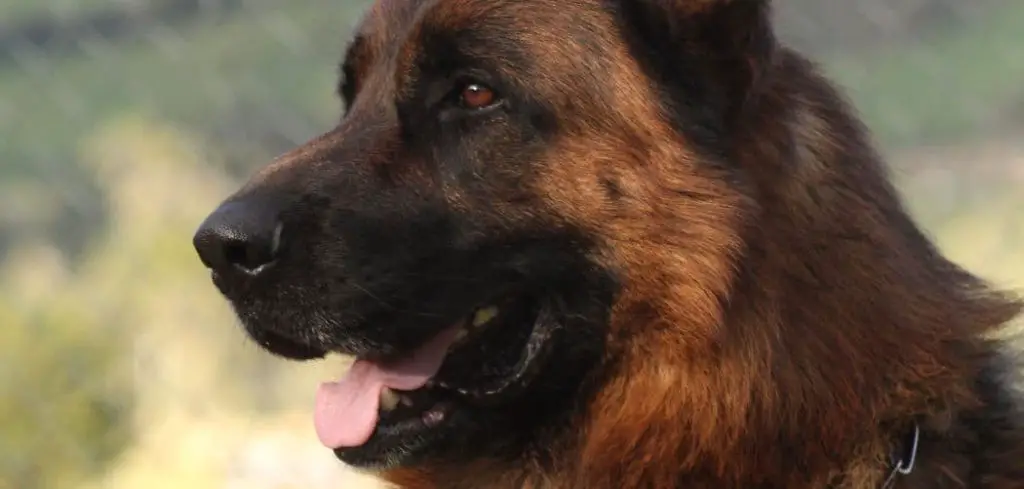
Dog Pooping Water but Acting Normal: Common Causes
Dietary Indiscretion
One of the most frequent reasons for watery diarrhea in dogs is eating something that doesn’t agree with them.
This can include table scraps, garbage, unfamiliar treats, or rich, fatty foods. When the intestines encounter something irritating or poorly digested, they respond by pulling extra water into the gut. The result is watery stool — sometimes without any change in mood or energy.
Dogs are excellent scavengers and often eat things we don’t notice. Even a simple food switch without a gradual transition can trigger watery poop while your dog otherwise appears perfectly fine.
Related: Dog pooping mucus but acting normal (What it means)
Sudden Food Changes
Dogs’ digestive systems rely on consistent, predictable nutrition. When food is switched abruptly, the gut bacteria and digestive enzymes don’t have time to adjust. This disruption leads to poor digestion and water-filled stool.
In some dogs, food sensitivities — such as reactions to certain proteins or grains — cause recurring watery poop.
Because the intestinal irritation is mild at first, your dog may continue acting normal, which makes the watery stool feel even more confusing for owners.
A slow food transition over at least 7–10 days is best to prevent this.
Parasites
Parasites are a very common cause of watery diarrhea in dogs — even when they seem completely fine otherwise.
Giardia is especially known for causing soft stool or watery diarrhea while dogs continue to eat, play, and act normally. Dogs can contract parasites from puddles, lakes, streams, soil, parks, boarding facilities, or contact with other infected animals.
Other parasites, such as roundworms, hookworms, or coccidia, can also irritate the intestines and cause watery stools.
Because parasites can spread, testing and treatment are important — especially if diarrhea lasts more than a couple of days.
Stress
Stress doesn’t always look like nervous pacing or whining. Dogs may seem outwardly calm and still experience stress internally from changes like:
- Moving house
- Boarding or kennels
- New pets or people
- Loud events
- Routine changes
Stress triggers the release of hormones that speed up gut movement. Faster movement means less water is absorbed in the intestines — so the stool comes out watery. This condition is often called stress colitis and is very common.
Dogs can appear completely normal in every other way, which is why stress-related watery poop often surprises owners.
Bacterial Imbalance or Infection
Your dog’s intestines are full of beneficial bacteria that support digestion.
When this balance shifts — due to diet changes, scavenging, illness, or even antibiotics — the intestines can’t function normally. Fluid begins to move rapidly through the digestive tract, producing watery stool.
Sometimes bacteria such as Clostridium can overgrow and cause diarrhea. Early on, your dog may still feel perfectly fine, but without treatment, symptoms can progress.
Mild Gut Infections
Some gastrointestinal viruses or infections begin with watery diarrhea while the dog initially acts normal.
Over time, symptoms such as lethargy, decreased appetite, vomiting, or worsening diarrhea may follow. Puppies, seniors, and unvaccinated dogs are especially vulnerable.
Early intervention prevents complications — so persistent watery diarrhea should not be ignored.
Food Allergies or Inflammatory Bowel Disease (IBD)
In some dogs, the immune system reacts to ingredients in food, leading to inflammation in the digestive tract.
This can cause episodes of watery diarrhea while the dog otherwise appears well.
Over time, flare-ups may become more frequent and signs like weight loss or poor appetite may develop.
IBD and food allergies always require veterinary management.
Read more: Dog Pooping Frequently but Acting Normal (What It Really Means)
What to Do If Your Dog Is Pooping Water but Acting Normal
If your dog is pooping water but acting normal, the first step is to monitor closely. Make note of:
- How often watery stool occurs.
- Whether it is improving or worsening.
- Any changes in color, mucus, or blood.
- Whether your dog also vomits, strains, or loses appetite.
Keep your dog well-hydrated at all times. Watery stool means fluid loss, and dehydration can occur quickly — especially in puppies or small dogs.
Avoid giving table scraps, fatty foods, or new treats. Stick to a consistent, gentle diet. Some owners use bland feeding temporarily (with veterinary guidance), but this should not replace a vet visit if symptoms persist.
Do not give human medications — many are unsafe for dogs and can worsen the condition.
If you suspect parasites, collect a fresh stool sample in a clean bag and store it in the refrigerator until your veterinary appointment.
Finally, watch your dog calmly. If they begin to seem unwell rather than normal, the situation has become more urgent.
When to Call or Visit Your Vet
Even when your dog seems normal, watery poop deserves attention — especially if it happens more than once or twice.
You should call your vet if:
- Watery diarrhea lasts longer than 24–48 hours.
- There is mucus, blood, or black stool.
- Your dog strains, cries, or cannot control bowel movements.
- Your dog is a puppy, senior, or has health conditions.
- Your dog recently boarded, traveled, or visited a dog park.
- There was recent diet change.
- Your dog may have eaten something unusual.
Seek urgent veterinary care immediately if:
- Your dog vomits repeatedly.
- Your dog becomes lethargic or weak.
- The belly appears painful or bloated.
- There are signs of dehydration.
- Your dog refuses food or water.
- The diarrhea is continuous and watery.
These can indicate serious dehydration, intestinal obstruction, infection, or systemic illness — all requiring prompt treatment.
Puppies, toy breeds, and elderly dogs can decline especially fast with watery diarrhea, so never wait too long for these groups.
Related: Dog pooping mucus and diarrhea (Here’s why)
Key Takeaway
When a dog is pooping water but acting normal, it usually means the digestive tract is irritated — commonly from diet changes, parasites, stress, bacterial imbalance, or mild infection.
While many mild cases resolve, watery diarrhea can quickly lead to dehydration or signal a deeper issue if it continues.
Keep your dog hydrated, avoid sudden food changes, and monitor closely for additional symptoms.
Contact your veterinarian if watery stool lasts more than a day or two — or sooner if your dog becomes unwell.
With timely care and the right support, most dogs recover fully and return to normal, healthy bowel movements — and you can relax knowing your best friend is safe and comfortable.