
Seeing your dog pooping slime or mucus can be alarming, even if they seem completely fine otherwise.
Your dog may still be playful, eating normally, and showing no signs of pain — yet their poop looks glossy, jelly-like, or coated in slime.
Mucus in dog stool usually means the colon is irritated, and while sometimes it’s mild and temporary, it can also point to an underlying digestive issue that needs attention.
We outline the most common causes of a dog pooping slime but acting normal, what you can do at home, and when it’s best to involve your veterinarian.
Dog Pooping Slime but Acting Normal: Why It Happens
A dog pooping slime but acting normal is often experiencing mild inflammation in the colon (large intestine), usually from diet changes, stress, parasites, food intolerance, or bacterial imbalance.
The colon naturally produces mucus to help stool pass smoothly. When the lining becomes irritated, it produces extra mucus, which is why you may see slime or jelly-like coating on your dog’s poop.
Because the irritation may be mild at first, many dogs continue behaving completely normally while their digestive tract copes in the background.
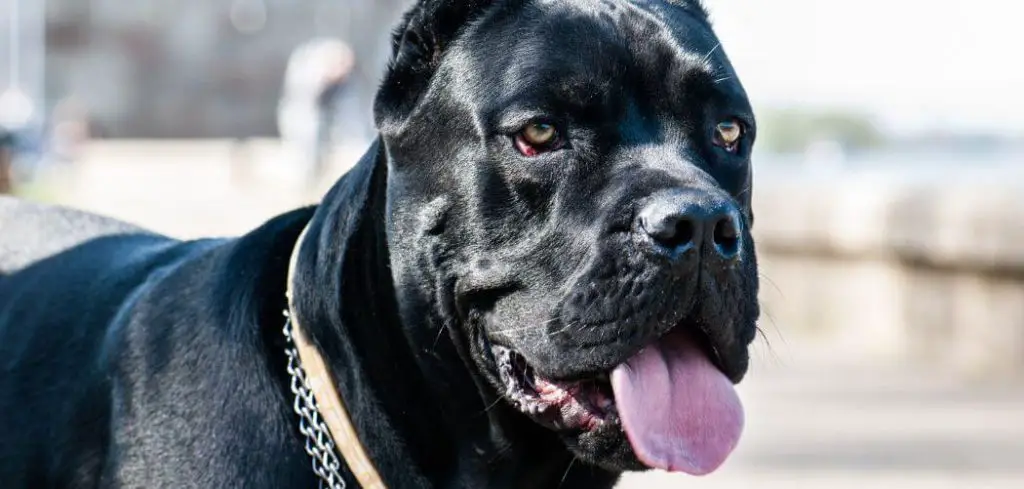
Dog Pooping Slime but Acting Normal: Common Causes
Mild Colitis (Colon Inflammation)
Colitis simply means inflammation of the colon, and it’s one of the most common reasons for mucus or slime in dog poop.
This inflammation makes the colon produce excess mucus as a protective response. Dogs may still be active and bright, especially when colitis is mild or early. You might see normal-shaped stool wrapped in slime, or soft stool mixed with jelly-like strands.
Colitis can be triggered by diet changes, stress, infections, or food sensitivities. Even though your dog seems normal, untreated colitis can sometimes progress into diarrhea, straining, or discomfort — so it shouldn’t be ignored if it continues.
Related: Dog pooping mucus but acting normal (What it means)
Dietary Changes or Food Intolerance
Switching your dog’s food suddenly can upset the balance of healthy gut bacteria and irritate the digestive lining.
As the intestines adjust, the colon may release extra mucus — which shows up as slime in the stool. Dogs with food sensitivities may produce mucus repeatedly after eating certain proteins or ingredients such as chicken, beef, wheat, corn, or dairy.
Your dog may still act normal because the reaction is focused in the gut rather than their whole system. But continuous irritation can eventually affect appetite, stool consistency, and overall comfort.
Gradual diet transitions — usually over 7–10 days — help reduce mucus-related digestive upset.
Parasites
Certain parasites — even microscopic ones — can irritate the intestines and colon.
Giardia, coccidia, and some intestinal worms are known to cause mucus in dog poop. In many cases, dogs appear totally normal at first: they still eat, play, and behave as usual while passing slimy stool.
Dogs are commonly exposed to parasites through contaminated soil, puddles, lakes, or feces from other animals. Puppies, rescue dogs, and dogs in group environments are at higher risk — but any dog can get parasites.
Because parasites are contagious and uncomfortable, they always require veterinary testing and treatment.
Stress-Induced Digestive Upset
Stress doesn’t always look like nervous behavior. Sometimes the body shows stress through the digestive system instead.
Changes such as moving homes, boarding, new pets, loud noises, visitors, or routine disruptions can trigger stress-related colitis. The colon becomes irritated and produces more mucus — even while your dog appears outwardly calm and normal.
This is especially common in sensitive dogs. The mucus may come and go depending on what’s happening in your dog’s environment.
Inflammatory Bowel Disease (IBD) or Chronic Gut Inflammation
Some dogs develop ongoing inflammation in the digestive system that leads to recurring mucus in their poop.
IBD and chronic colitis may start with only mild symptoms like slimy stools while your dog continues acting completely fine otherwise. Over time, flare-ups may increase, and other symptoms like diarrhea, weight loss, or appetite changes may appear.
Because long-term inflammation can damage the gut lining if untreated, recurring mucus should always be evaluated by a veterinarian.
Bacterial Imbalance or Infection
The gut naturally contains many healthy bacteria. When that balance is disrupted, it can irritate the colon.
This imbalance — sometimes called bacterial overgrowth — causes the intestines to move food more quickly and produce extra mucus. Dogs may still seem normal because the irritation is localized, but continued imbalance can progress to diarrhea, gas, or discomfort.
Antibiotics, diet changes, or scavenging behavior can all trigger bacterial imbalance.
Anal Gland Issues
Though less common, anal gland problems can sometimes cause mucus-like material near the stool.
These small glands near the anus produce a normal secretion, but if they become irritated or inflamed, you may notice slimy residue after your dog poops. Many dogs still act completely normal until the glands become painful or infected.
If you also notice scooting, licking, or fishy-smelling discharge, anal glands may be involved.
Read more: Dog Pooping Water but Acting Normal (What It Really Means)
What to Do If Your Dog Is Pooping Slime but Acting Normal
If your dog is pooping slime but otherwise acting normal, start by observing carefully. Make note of when it started, whether the poop is normal-shaped or loose, and how often mucus appears.
Keeping a stool diary can help identify triggers such as certain foods or stressful events.
Make sure your dog always has access to fresh water, since digestive upset — even mild — can increase fluid loss.
You may also consider simplifying their diet temporarily with a gentle, vet-approved bland diet if your veterinarian agrees or you’ve used one successfully before. Avoid table scraps, rich treats, and sudden diet changes while the gut settles.
If you recently switched foods, change back to the previous food and plan a slower transition later.
Never give human medications to dogs, as many can be dangerous or worsen the problem.
If you suspect parasites — for example if your dog drinks from puddles or mingles with other dogs — collect a fresh stool sample to take to your vet.
And even though your dog seems fine, monitor closely for new symptoms such as vomiting, pain, straining, loss of appetite, or worsening diarrhea.
When to Call or Visit Your Vet
You should contact your veterinarian if slimy stool continues for more than 2–3 days, even if your dog still seems perfectly normal. Persistent mucus means the colon remains irritated, and the underlying cause needs to be identified.
Call your vet sooner — or seek urgent care — if you notice any of the following:
- Your dog is also having diarrhea or watery stool.
- There is blood mixed with or coating the stool.
- Your dog strains or cries when pooping.
- The mucus becomes frequent or heavy.
- Your dog becomes lethargic.
- Your dog vomits or refuses food.
- The belly looks painful or bloated.
- Your dog is very young, senior, or has other medical conditions.
- Black or tar-like stool (which can indicate digested blood).
- Recurring mucus in poop.
These symptoms may indicate infection, parasites, significant inflammation, or more serious digestive disease — all of which benefit from early diagnosis and treatment.
If your dog has recently been dewormed, vaccinated, boarded, or taken antibiotics, mention that to your vet as well — these details help narrow down the cause.
Related: Dog pooping mucus and diarrhea (Here’s why)
Key Takeaway
When a dog is pooping slime but acting normal, it usually means the colon is irritated — commonly due to colitis, diet changes, parasites, stress, bacterial imbalance, or food sensitivities.
While many cases are mild and temporary, recurring mucus or additional symptoms always deserve veterinary attention.
Keep your dog hydrated, avoid sudden diet changes, watch for worsening signs, and contact your vet if the problem persists.
With the right care and early evaluation, most dogs recover well and return to having healthy, normal bowel movements — and you’ll enjoy peace of mind knowing your dog’s digestive health is back on track.