
When your dog starts pooping more often than usual but still seems happy, energetic, and comfortable, it can be confusing and easy to dismiss.
However, changes in bowel habits often signal subtle digestive or dietary issues that deserve attention, even when your dog appears fine.
We outline the most common reasons why a may dog poop frequently while acting normal, what you can do, and when to seek veterinary care.
Dog Pooping Frequently but Acting Normal: Why It Happens
When a dog is pooping frequently but acting normal, the cause is often related to diet, digestion speed, mild intestinal irritation, or behavioral factors rather than serious illness.
Increased bowel movements can occur when food passes through the gut faster than usual, when stool volume increases, or when the colon becomes mildly stimulated.
Many dogs continue eating, playing, and behaving normally during these changes, which can make the symptom seem harmless. Still, frequent pooping should be monitored closely, especially if it persists or worsens.
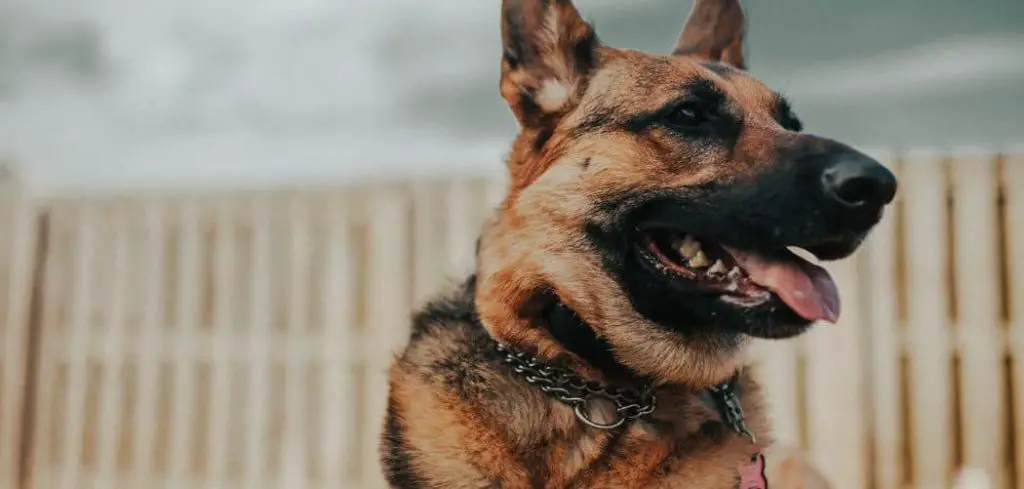
Dog Pooping Frequently but Acting Normal: Common Causes
Diet Changes
One of the most common reasons a dog starts pooping more often is a recent change in diet or an increase in how much food they are eating.
Even small changes, such as switching protein sources, introducing new treats, or feeding larger portions, can affect how frequently stool is produced.
When more food enters the digestive system, more waste is produced, which naturally leads to more frequent bowel movements.
Because digestion is still functioning normally, the dog may act completely fine, showing no signs of discomfort or illness. In many cases, bowel frequency stabilizes once the dog adjusts to the new diet.
Related: Dog pooping mucus but acting normal (What it means)
High-Fiber or Low-Quality Food
Foods that contain high amounts of fiber or poorly digestible ingredients can increase stool volume and frequency.
Fiber absorbs water and adds bulk to stool, which stimulates the colon to contract more often. As a result, dogs may poop several times a day while still producing formed stool.
Low-quality diets with fillers can also pass through the digestive system quickly, leading to frequent bowel movements without affecting the dog’s energy or appetite. While the dog may seem normal, ongoing frequent pooping may indicate that the food is not being efficiently absorbed.
Faster Digestive Transit Time
Some dogs naturally digest food more quickly than others, especially active dogs or those with sensitive gastrointestinal systems.
When digestion speeds up, food spends less time in the intestines, resulting in more frequent urges to defecate.
In these cases, stool may appear normal in consistency and color, and the dog may behave completely normally.
While this can be a normal variation, sudden changes in bowel frequency suggest that something has altered digestive speed, such as stress, diet, or gut irritation.
Mild Intestinal Irritation or Inflammation
Low-grade irritation of the intestines can cause increased bowel movements without causing obvious illness. This irritation may be triggered by scavenging, dietary indiscretion, stress, or minor imbalances in gut bacteria.
When the colon becomes slightly inflamed, it becomes more sensitive and contracts more frequently, pushing stool out sooner than usual.
Because the irritation is mild, the dog may not show pain, lethargy, or appetite loss, making the issue easy to overlook.
Stress
Stress and excitement can significantly affect a dog’s digestive system. Changes such as travel, visitors, schedule disruptions, or new environments can stimulate the gut and increase bowel movement frequency.
Dogs experiencing mild stress may poop more often while still acting playful, alert, and affectionate.
This is especially common in dogs that are emotionally sensitive or highly routine-oriented. Once the stressor resolves, bowel habits often return to normal.
Treat Overconsumption or Table Scraps
Extra treats, chewables, or table scraps can overwhelm a dog’s digestive system, even if the foods themselves are not toxic. Rich or fatty foods can stimulate intestinal motility, leading to frequent pooping.
Because dogs often love these extras, they may show no outward signs of distress. However, repeated indulgence can irritate the gut over time and cause persistent changes in bowel habits.
Related: Dog Pooping Water but Acting Normal (Here’s why)
What to Do If Your Dog Is Pooping Frequently but Acting Normal
If your dog is pooping more often but otherwise seems well, start by tracking how many times per day they are defecating and whether the stool remains formed. Occasional increases are usually harmless, but patterns matter.
Review recent diet changes, treat intake, and feeding portions. Returning to a consistent, balanced diet and limiting treats can often resolve the issue within a few days. Make sure fresh water is always available, as hydration supports healthy digestion.
Avoid sudden food switches, and give the digestive system time to adjust. If the frequency decreases and your dog remains comfortable, no further action may be needed.
When to Call or Visit Your Vet
You should contact your veterinarian if:
- Your dog continues pooping frequently for more than 48–72 hours.
- Stool becomes loose, watery, bloody, or mucus-covered.
- Your dog begins straining or showing discomfort.
- Vomiting, appetite loss, or lethargy develops.
- Bowel frequency increases suddenly and dramatically.
- Your dog is very young, senior, or has a known medical condition
Seek veterinary care promptly if frequent pooping is accompanied by weakness, dehydration, or signs of pain.
Related: Dog pooping mucus and diarrhea (Here’s why)
Key Takeaway
When a dog is pooping frequently but acting normal, the cause is often dietary, stress-related, or due to mild digestive changes rather than serious illness.
Still, persistent changes in bowel habits should never be ignored, even when your dog seems fine.
Monitoring stool patterns, maintaining a consistent diet, and knowing when to involve your veterinarian can help ensure your dog’s digestive health stays on track — catching small problems before they become bigger ones.