
Seeing your dog poop blood that looks like jelly is alarming and unsettling. This unusual stool change often signals a potentially serious issue that needs quick attention.
Because blood mixed with mucus can point to conditions affecting the intestines or colon, it’s important not to ignore this symptom.
We outline the common reasons your dog is pooping blood like jelly, what you can do, and when to seek veterinary care.
Table of Contents
Dog Pooping Blood Like Jelly: Why It Happens
When a dog’s stool appears jelly-like with blood, it usually indicates irritation or inflammation in the lower digestive tract. This can stem from colitis, intestinal parasites, infections, or hemorrhagic gastroenteritis. Sometimes food intolerance, stress, or even swallowed foreign objects may contribute.
Because the appearance of jelly-like blood often reflects colon involvement, it can worsen quickly if untreated.
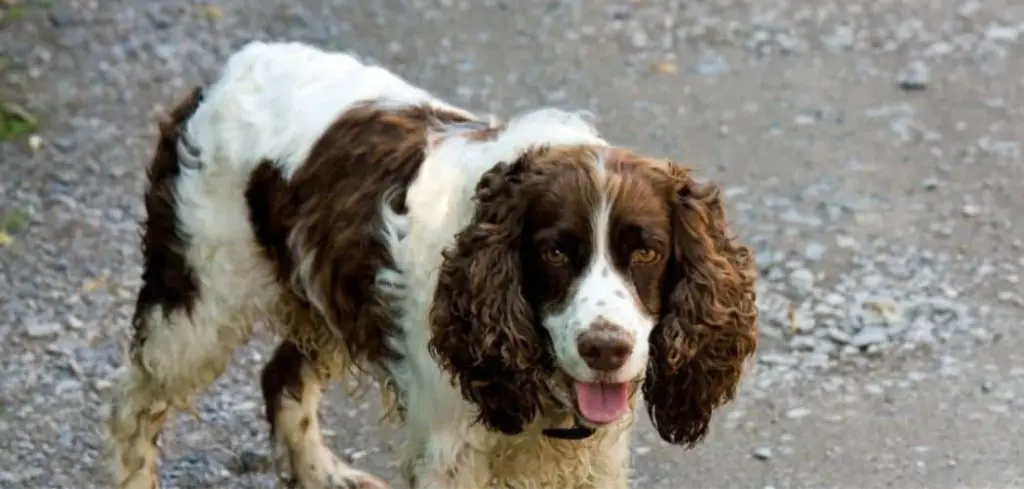
Dog Pooping Blood Like Jelly But Acting Normal
A dog that has bloody, jelly-like stool but is still acting normal may have mild colitis, dietary upset, or early-stage intestinal irritation.
In some cases, dogs can appear otherwise healthy while still having inflammation in the gut, especially in the early stages of illness.
Even if the dog seems fine, blood and mucus in stool should not be ignored if it continues beyond one episode, as it may progress to dehydration or more serious gastrointestinal disease.
Dog Pooping Blood Like Jelly: Common Causes
Colitis (Inflammation of the Colon)
Colitis is one of the most common causes of jelly-like bloody stool. When the colon becomes inflamed, it produces mucus along with streaks or clumps of blood.
Dogs with colitis may strain to poop, pass only small amounts of stool, or have repeated urges to go outside. Stress, diet changes, or bacterial imbalance can trigger flare-ups.
This condition can become chronic without treatment, so it’s important to monitor closely.
Related: Dog Pooping Blood No Other Symptoms (Here’s Why)
Hemorrhagic Gastroenteritis (HGE)
Hemorrhagic gastroenteritis can cause a dog’s stool to look like raspberry jam or bloody jelly. It’s a sudden, severe inflammation of the intestines.
Dogs with HGE often have vomiting, dehydration, and lethargy alongside bloody, mucusy stool. Small breeds seem more prone to this dangerous condition.
Because HGE can progress quickly and lead to shock, immediate veterinary care is critical.
Intestinal Parasites
Worms and protozoa like whipworms, hookworms, or Giardia can damage the lining of the intestines, leading to blood and mucus in stool.
Puppies are especially vulnerable because their immune systems are still developing. Dogs may also show weight loss, bloating, or scooting in addition to bloody jelly-like poop.
Regular deworming and fecal checks help prevent this problem.
Infections (Bacterial or Viral)
Bacterial infections such as Salmonella or viral illnesses like parvovirus can severely irritate the digestive tract.
In these cases, the stool often contains mucus, fresh blood, and may be watery or foul-smelling. Puppies and unvaccinated dogs are at highest risk.
Because parvovirus is life-threatening, jelly-like bloody stool in a puppy should always be treated as an emergency.
Food Intolerance or Dietary Indiscretion
Sometimes dogs develop sensitivity to ingredients like chicken, beef, or grains, which can inflame the digestive system.
Eating spoiled food or garbage (known as dietary indiscretion) can also cause sudden mucus-filled bloody stool. Dogs may also have gas, vomiting, or general stomach upset.
Though less dangerous than infections, repeated flare-ups should be evaluated by a vet.
Foreign Body Irritation
If a dog swallows something sharp, like bone fragments or plastic, it can scrape or irritate the intestinal lining.
This leads to bleeding, mucus, and sometimes straining or abdominal discomfort. A blockage can form if the object does not pass, making this a serious condition.
Vomiting, loss of appetite, or worsening lethargy are warning signs of obstruction.
Dog Pooping Blood Like Jelly and Diarrhea
Dog stool that looks like jelly with blood and diarrhea usually indicates severe irritation or inflammation of the large intestine, often called colitis.
The “jelly” appearance is mucus mixed with blood, which happens when the intestinal lining becomes inflamed. Common causes include dietary indiscretion, sudden diet changes, parasites, bacterial infections, stress, or more serious conditions like hemorrhagic gastroenteritis (HGE).
This condition can worsen quickly because dogs can lose fluids and blood through diarrhea, so it should be taken seriously, especially if it is frequent or severe.
What to Do If Your Dog Is Pooping Blood Like Jelly
For mild cases, home care can be done. This means if your dog passes a single stool with a small streak of mucus and blood but otherwise acts normal, you can monitor them at home for 24 hours.
Withhold food for 8–12 hours (for adult dogs only), then offer a bland diet such as boiled chicken and rice.
Keep your dog hydrated by encouraging small sips of water or offering an electrolyte solution recommended by your vet.
Stress reduction and avoiding sudden food changes may also help calm the digestive system.
If your dog has had a recent diet change, switch back to their old food temporarily.
Monitor stool consistency and frequency carefully, and save a sample for your vet if the issue continues.
Most importantly, watch for other symptoms like lethargy, repeated vomiting, or loss of appetite, which suggest the problem is more serious.
Home remedies should only be used for very mild, short-lived cases. If blood continues, worsens, or the dog becomes weak, veterinary care is required immediately.
When to Call or Visit Your Vet
Seek veterinary help immediately if your dog:
Poops blood like jelly more than once in 24 hours.
Shows signs of weakness, shaking, or lethargy.
Vomits repeatedly or refuses food and water.
Has a swollen, painful, or tense abdomen.
Is a puppy, a senior, or has underlying health problems
Bring a fresh stool sample to your appointment, as this helps with diagnosis. Your vet may recommend tests such as fecal exams, bloodwork, or imaging to determine the exact cause.
Read more: Dog Pooping Blood and Throwing Up Foam (Here’s Why)
Dog Pooping Blood Like Jelly: Treatment
Treatment depends on the cause and severity. The veterinarian may perform stool tests, blood work, or imaging to identify infections, parasites, or conditions like hemorrhagic gastroenteritis.
Treatment may include fluids for dehydration, antibiotics, anti-inflammatory medication, dewormers, or probiotics to restore gut health.
Severe cases may require hospitalization for IV fluids and close monitoring.
Early treatment is important because bloody diarrhea can progress quickly and become life-threatening if not managed immediately.
Key Takeaway
Dog pooping blood like jelly is a red flag symptom that usually points to inflammation or irritation in the intestines. While some causes, like mild colitis, may settle with care, others, like hemorrhagic gastroenteritis, parasites, or parvovirus, can be life-threatening.
Monitor your dog closely, provide supportive care at home if symptoms are mild, and never hesitate to call your vet if bloody jelly-like stool persists or is accompanied by other concerning signs. Early treatment gives your dog the best chance of a full recovery.


