
Seeing your dog poop black stool can be worrying, especially when your dog is still eating, drinking, playing, and behaving as usual.
You may notice that the stool looks unusually dark, almost like black mud, or has a shiny, sticky appearance that differs from your dog’s normal bowel movements.
Although your dog acting normally is reassuring, it does not necessarily mean the black poop is harmless. The most important distinction is whether the stool is simply dark brown or genuinely black and tar-like.
Black, tarry stool can indicate digested blood in the digestive tract, and it requires prompt veterinary assessment even when a dog seems perfectly fine.
Table of Contents
Dog Pooping Black Poop but Acting Normal: Here's Why
A dog pooping black poop but acting normal may have a dietary or medication-related color change, or the stool may contain digested blood from bleeding in the stomach or upper intestines.
Possible causes include eating dark-colored foods or unusual substances, certain medications or supplements, stomach ulcers, and other gastrointestinal conditions.
Black, sticky, tar-like stool is particularly concerning because it may represent melena, which is digested blood in the stool. A dog can remain active and maintain a normal appetite during the early stages of an illness, so normal behavior alone cannot rule out internal bleeding.
If the stool is genuinely black and tar-like, contact a veterinarian urgently rather than waiting for other symptoms to appear.
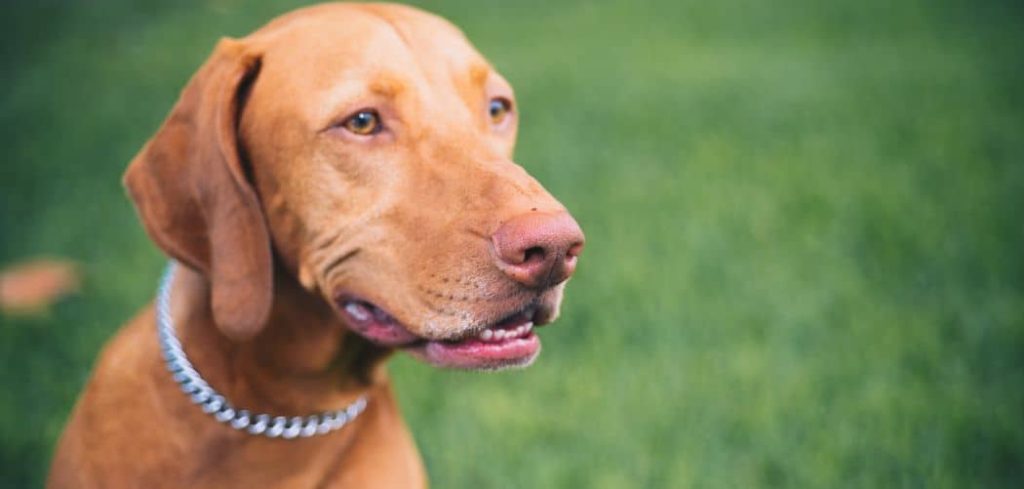
What does Black Dog Poop look like?
Black dog poop looks very dark brown to jet black and may appear unusually shiny, sticky, or tar-like.
When the stool is tarry, it may have a thick, sticky consistency, smear when picked up, and produce a strong, unpleasant smell. However, black stool does not always have a tarry texture, so appearance alone cannot rule out bleeding.
Truly black stool can indicate melena, which occurs when blood is digested as it passes through the digestive tract.
Although certain foods, iron supplements, or medications can darken stool, unexplained black poop—especially when accompanied by vomiting, weakness, pale gums, or loss of appetite—requires immediate veterinary assessment.
If the stool is black and tarry, seek urgent veterinary care even if the dog appears normal.
Read more: Black Dog Poop (Signs, causes and treatment)
Dog Pooping Black Poop but Acting Normal: Common Causes
Gastrointestinal Bleeding
One of the most important causes to consider is bleeding somewhere in the digestive tract.
When blood is digested as it moves through the stomach and upper intestines, it can turn the stool black rather than bright red.
A dog may initially maintain a normal appetite and energy level if the bleeding is limited or has only recently started.
However, black, tar-like poop should never be dismissed simply because your dog still seems happy.
Stomach Ulcers
Stomach ulcers are sores that damage the lining of the stomach and can bleed into the digestive tract.
They may develop because of certain medications, underlying illnesses, or other gastrointestinal problems.
If blood from an ulcer is digested, your dog may pass black, sticky stool.
Other signs can include vomiting, reduced appetite, abdominal discomfort, or weakness, but these symptoms may not all appear at once.
Food and Dietary Changes
Certain foods can make a dog’s poop look darker without causing bleeding. Diets containing substantial amounts of organ meat, such as liver, or other dark-colored ingredients may affect stool color.
If your dog recently ate a new food or treat and the stool is dark brown rather than truly black and tar-like, a dietary explanation is possible.
However, you cannot reliably distinguish harmless discoloration from digested blood based on diet history alone. If the stool is genuinely black, contact your veterinarian immediately.
Medications and Supplements
Some medications and supplements can darken stool. Iron-containing supplements and certain products containing bismuth are examples, although products containing bismuth should not be given to dogs unless a veterinarian specifically recommends them.
Other medications, including some anti-inflammatory drugs, can irritate the digestive tract or contribute to ulcers and gastrointestinal bleeding.
If your dog recently started a medication or supplement, tell your veterinarian the exact product and dose.
Do not stop prescribed medication or give additional products without veterinary guidance.
Read more: Dog pooping black mucus (Causes and treatment)
Swallowing a Foreign Object
Dogs sometimes swallow bones, toys, fabric, or other objects that can irritate or damage the digestive tract.
Depending on the object and where it becomes lodged, complications can include intestinal injury, obstruction, and bleeding.
A dog may initially behave normally, particularly if symptoms have not yet developed.
If you suspect your dog swallowed a foreign object, or if black stool appears alongside vomiting or abdominal pain, seek urgent veterinary advice.
Poisoning or Blood-Clotting Problems
Some toxins can interfere with blood clotting and cause internal bleeding. Certain illnesses can also affect the body’s ability to control bleeding, potentially resulting in dark, blood-containing stool.
A dog may not show obvious symptoms immediately after exposure.
If your dog may have accessed rat poison or another potentially toxic substance, seek emergency veterinary care even if the dog appears well. Do not wait for weakness or other signs to develop.
Other Gastrointestinal Diseases
Inflammation, severe digestive disease, and, less commonly, tumors can cause bleeding in the gastrointestinal tract.
The risk and likely cause depend on the dog’s age, medical history, other symptoms, and how the stool looks.
Some dogs with underlying disease continue eating and playing during the early stages.
Repeated black stool, unexplained weight loss, vomiting, or changes in appetite should therefore be investigated rather than attributed to a harmless dietary change.
Read more: Dog poop black after changing food (Here’s why)
Dog Pooping Black Poop but Eating Normally
If a dog is pooping black poop but eating normally, the appetite is reassuring, but it does not rule out gastrointestinal bleeding. A dog may continue eating before other signs of illness become noticeable.
Check whether the stool is dark brown or genuinely black and tar-like. If it is black and sticky, contact a veterinarian urgently even if your dog is finishing every meal.
If the color change is less clear, seek same-day veterinary advice about whether the stool needs examination, particularly if it is a new or unexplained change.
Dog Pooping Black Poop but Playing and Active
A dog that is still running, playing, and behaving normally may not appear sick. However, activity level alone cannot establish whether black stool is harmless.
If the poop is genuinely black and tar-like, arrange urgent veterinary assessment rather than waiting for your dog to become tired.
If the stool is simply dark brown, well-formed, and not sticky, a food-related color change is possible, but persistent or unexplained changes should still be discussed with your veterinarian.
Dog Pooping Black Poop Without Diarrhea
Black poop does not have to be watery to be concerning. A dog with gastrointestinal bleeding may pass formed stool that is black, sticky, or tar-like rather than having obvious diarrhea.
The absence of diarrhea does not rule out bleeding, and a normal stool shape does not make true black, tarry stool safe to ignore.
Contact your veterinarian urgently if the stool is black while fresh, particularly if the change is new or unexplained.
What to Do If Your Dog Is Pooping Black Poop but Acting Normal
If your dog is behaving normally but has passed black poop, focus on identifying the appearance of the fresh stool and arranging appropriate veterinary advice.
First, contact your veterinarian the same day if the stool is genuinely black, especially if it is sticky or tar-like.
If your dog also has pale gums, weakness, vomiting blood, or collapse, seek emergency veterinary care immediately.
Take a photograph of the fresh stool in natural light, if possible. You can also note how often your dog has pooped, when the color change began, and whether the stool is formed, loose, sticky, or unusually foul-smelling.
Make a list of recent foods, treats, medications, and supplements your dog has received.
Tell your veterinarian if your dog could have swallowed an object or accessed a potentially toxic substance.
Avoid giving human medicines, leftover prescriptions, or home remedies to change the stool color.
Keep fresh water available, and do not delay veterinary care while trying dietary changes if the stool is black and tar-like.
When to Call or Visit the Vet
Black, tar-like stool warrants urgent veterinary assessment, even if your dog appears completely normal.
Contact your veterinarian immediately rather than waiting for another bowel movement to determine whether the problem continues.
Seek emergency veterinary care immediately if you notice:
Black, sticky, tar-like poop when freshly passed.
Vomiting blood or material that resembles coffee grounds.
Pale or white gums.
Weakness, marked lethargy, or collapse.
Abdominal pain or a swollen abdomen.
Repeated vomiting or refusal to eat alongside black stool.
Suspected ingestion of rat poison, a harmful medication, or another toxin.
Rapid deterioration or other signs of significant illness.
Puppies, senior dogs, and dogs with existing medical conditions may need especially prompt assessment.
Do not assume that normal behavior means your dog can safely wait if the stool looks like digested blood.
Dog Pooping Black Poop but Acting Normal: Treatment
Treatment depends on the cause of the black stool. The veterinarian will assess your dog and may recommend blood tests, stool testing, or imaging to investigate possible bleeding or other digestive problems.
Treatment may involve fluid replacement, medication to protect the stomach lining, management of ulcers, treatment for an underlying disease, or hospitalization if blood loss is significant.
If a medication is suspected of contributing to bleeding, the veterinarian will determine whether it needs to be adjusted or replaced.
Key Takeaway
A dog pooping black poop but acting normal may have a harmless change in stool color related to food or certain supplements. However, genuinely black, sticky, tar-like poop can indicate digested blood from bleeding in the digestive tract.
Your dog’s normal appetite and energy level are encouraging, but they do not rule out a serious underlying condition.
If the stool is black and tar-like, seek urgent veterinary assessment rather than waiting for other symptoms to appear.
The most important step is to distinguish dark brown stool from genuinely black stool and take unexplained changes seriously.
When black poop could indicate bleeding, prompt veterinary assessment is the safest choice, even when your dog seems fine.


