
A dog’s paw pads take a beating every day, and because the damage is on the underside of the foot, it often goes unnoticed until a limp, a bloody footprint, or constant licking gives it away.
A burn from hot pavement or a cut from glass, metal, or a rough trail can look minor on the surface yet hurt with every step.
How serious it is depends on how deep the injury goes. Redness or a small scrape in a dog who is walking comfortably is one thing. Blistering, peeling skin, a deep or gaping cut, bleeding that won’t stop, or a dog who refuses to put weight on the paw needs a vet.
Pads heal slowly, and infection can set in quickly, so injuries that look small can turn into long recoveries when left alone.
Table of Contents
Dog Paw Pad Burns and Lacerations: Why It Happens
Dog paw pad burns and lacerations occur when the tough skin covering the paw is damaged by excessive heat, chemicals, sharp objects, or rough surfaces.
Burns may result from hot pavement, heated flooring, or irritating substances, while lacerations can occur when a dog steps on broken glass, sharp metal, rocks, or other objects.
Because paw pads bear the dog’s weight with every step, these injuries can be difficult to protect while walking. Damaged tissue may bleed, swell, blister, or become infected, and repeated pressure can delay healing.
The severity depends on the depth and extent of the injury, whether the underlying tissue is affected, and whether a foreign object remains embedded in the paw.
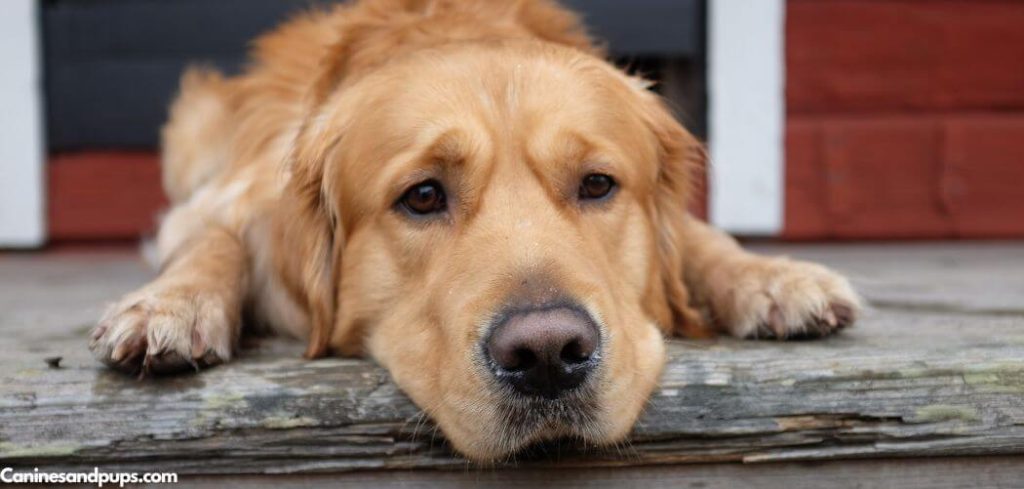
Signs of Dog Paw Pad Burns and Lacerations
Signs vary depending on the cause and severity of the injury. Some dogs show obvious pain immediately, while others initially show only subtle changes in how they walk.
Common signs include:
Limping: Holding up the affected paw or avoiding weight on it.
Excessive licking: Repeatedly licking or chewing the paw.
Bleeding: Blood on the pad, floor, or bedding.
Redness or discoloration: Changes in the normal color of the pad.
Blisters or peeling skin: Possible signs of a burn.
Visible cuts or tears: An open wound or separated pad tissue.
Swelling: Enlargement around the injured area.
Pain when touched: Pulling away, whining, or resisting examination.
Discharge or odor: Possible signs of infection.
A dog that suddenly refuses to walk after being outdoors may have a paw injury even if you cannot see a cut immediately.
Check the pads and spaces between the toes gently, without pressing on a painful area.
Related: Dog licking paws excessively (Here’s why)
Burns vs. Lacerations: How to Tell the Difference in Dog Paw Pads
Burns, lacerations, and abrasions can all damage a dog’s paw pads, but they usually look different.
Burns result from heat, chemicals, or contact with hot surfaces, while lacerations are cuts or tears caused by sharp objects or rough materials. Abrasions occur when the outer surface of the pad is scraped or worn away.
Although appearance can help distinguish these injuries, some wounds are deeper than they initially look.
Burns: Redness, Blisters, and Peeling Skin
Burned paw pads may appear red, swollen, unusually shiny, darkened, or discolored. Blisters may develop, and the outer skin can peel or slough away, leaving tender or exposed tissue. Your dog may limp, lick the paws repeatedly, or resist standing on the affected feet.
Burns can result from hot pavement, fires, heating equipment, or corrosive chemicals.
If you suspect a chemical burn, rinse the affected area thoroughly with running water unless the product’s safety instructions advise otherwise, and seek veterinary guidance promptly.
Lacerations: Clean Cuts, Ragged Tears, and Flaps of Skin
A laceration is a cut or tear in the paw pad. It may appear as a straight, clean-edged cut, an irregular tear, or a flap of loose skin. Glass, metal, sharp stones, and other objects can cause these injuries, sometimes leaving debris embedded in the pad.
Deep cuts may bleed heavily because paw pads contain blood vessels, and walking can repeatedly reopen the wound.
Seek veterinary care for deep or gaping cuts, embedded objects, persistent bleeding, or significant pain. Do not pull out deeply embedded debris or attempt to close a wound yourself.
Abrasions: Rough or Scraped Paw Pads
Abrasions occur when friction wears away the outer surface of the paw pad. The affected area may look rough, raw, scraped, or thinner than the surrounding skin, sometimes with mild bleeding or tenderness.
Running on rough ground, sliding across abrasive surfaces, and prolonged contact with hot pavement can cause this type of damage.
Minor abrasions may heal with appropriate protection and reduced activity, but extensive scraping, exposed tissue, worsening pain, or signs of infection warrant veterinary assessment.
How to Tell Burns, Lacerations, and Abrasions Apart:
Injury type | Typical signs | Does it need a vet? |
|---|---|---|
Burns | Redness, shiny or darkened skin, blisters, peeling, tenderness | Yes, promptly if a burn is suspected, especially with blistering, discoloration, or exposed tissue |
Lacerations | Straight cuts, ragged tears, loose skin flaps, bleeding, embedded debris | Yes, for deep or gaping wounds, persistent bleeding, or embedded objects |
Abrasions | Rough, scraped, raw, or worn-down surface | Minor cases may be monitored closely; extensive or worsening injuries need veterinary care |
Burn Depth: Superficial vs. Deep Burns
Superficial burns affect the outer layers of the pad and may cause redness, tenderness, and mild swelling. Deeper burns can damage the tissue beneath the surface, causing blisters, peeling, pale or darkened areas, or exposed tissue.
In severe burns, nerve damage can sometimes reduce pain sensation, so a dog may not react as strongly as expected.
A burn’s full extent may not be obvious immediately. Deep tissue damage can become clearer over the following hours or days as the affected skin changes, blisters develop, or damaged tissue begins to separate.
Do not assume a burn is minor simply because the pad initially looks intact. Arrange immediate veterinary assessment for suspected paw pad burns, particularly after prolonged contact with hot surfaces or exposure to chemicals.
Common Causes of Dog Paw Pad Burns and Lacerations
1. Burns From Hot Pavement
Asphalt, concrete, sand, and other surfaces can become hot enough to injure a dog’s paw pads.
This risk increases during hot weather, particularly when dogs walk or run on exposed surfaces.
Burned pads may look red, darker than usual, blistered, or peeled. Your dog may lick its paws, limp, lift its feet, or suddenly refuse to continue walking.
The damage may not be immediately obvious, so take persistent paw licking or limping seriously after a walk on a hot surface.
Burns can be deeper than they first appear and should be assessed by a veterinarian.
2. Cuts From Glass, Metal, or Sharp Objects
A dog can cut its paw pad by stepping on broken glass, sharp metal, jagged stones, or other debris.
The wound may be a shallow scrape or a deeper laceration that affects the tissue beneath the pad.
Depending on the depth, the cut may bleed, gape open, or cause immediate limping.
Because paw pads support the dog’s weight, walking can reopen the wound and delay healing.
Deep, jagged, or open cuts need veterinary assessment. Even a small-looking wound may contain debris or require professional cleaning and protection.
3. Chemical Burns
Cleaning products, corrosive substances, and some chemicals used on outdoor surfaces can burn or irritate paw pads.
Dogs may be exposed by walking through a spill and then licking their feet.
Signs can include redness, pain, swelling, discoloration, or damaged skin. Some chemical injuries worsen after the initial exposure, so an apparently minor reaction should not be ignored.
If you suspect chemical exposure, prevent your dog from licking the paw and rinse the affected area under running water while contacting a veterinarian for guidance.
Wear protective gloves if you can do so safely, particularly if the substance may also irritate human skin.
4. Torn Paw Pads From Running or Rough Surfaces
Paw pads can tear when a dog runs hard on rough ground, skids suddenly, or repeatedly exercises on abrasive surfaces.
The outer layer may become scraped or partially separated from the tissue beneath it.
These injuries can be painful and may bleed or leave a raw surface. Continuing to run or walk on the injured foot can make the tear larger.
Rest is important while you arrange veterinary advice. Avoid running, long walks, and rough terrain until the injury has been assessed and has healed sufficiently.
5. Puncture Wounds and Embedded Objects
Thorns, splinters, sharp stones, and other objects can pierce the paw pad and become lodged beneath the surface. A small entry wound may conceal a deeper injury.
Your dog may repeatedly lick one foot, limp, or react when the paw is touched. Swelling, discharge, and increasing pain may develop if a foreign object remains inside or infection occurs.
Do not dig into the paw to remove a deeply embedded object. A veterinarian can examine the injury and remove the object safely, using sedation if necessary.
6. Injuries Complicated by Infection
Burns and lacerations can become infected when bacteria enter damaged tissue. Infection may also develop when a wound repeatedly opens, becomes contaminated, or is licked excessively.
Possible signs include increasing redness, swelling, warmth, pain, pus, or an unpleasant smell. Your dog may become reluctant to walk or seem less active than usual.
An infected paw wound needs veterinary assessment because cleaning alone may not be enough.
Treatment depends on the depth of the injury and whether infection has spread into deeper tissues.
Related: Dog licking paws and shaking head: Causes and what to do
Dog Paw Pad Burns and Lacerations: Can It Wait? (and for How Long)
A minor paw pad abrasion with no significant pain, bleeding, or exposed tissue may be monitored at home if your dog walks normally and the area improves.
Keep the paw clean, prevent licking, and limit activity. If the injury worsens or does not begin improving within a day, contact your veterinarian.
A paw pad burn or laceration that causes significant pain, blistering, peeling skin, a deep cut, or persistent bleeding should be assessed by a veterinarian the same day.
Deep burns may initially look less severe than they are, and cuts that extend into the cushioning tissue may require professional cleaning, pain relief, or wound closure.
Seek emergency veterinary care for uncontrolled bleeding, extensive burns, exposed underlying tissue, severe pain, or an inability to bear weight. Chemical burns also require immediate veterinary guidance.
Waiting too long can allow walking and friction to reopen wounds, while dirt and bacteria may increase the risk of infection.
Delayed assessment can also allow deeper burns or tissue damage to progress before the full extent becomes apparent.
If you are unsure how severe the injury is, arrange a veterinary examination rather than waiting for it to worsen.
What to Do If Your Dog Has Paw Pad Burns and Lacerations
1. Stop Walking and Examine the Paw Gently
Move your dog away from the hot surface, sharp debris, or suspected chemical. Let it rest somewhere safe and cool.
If your dog allows it, look at the paw pad and between the toes for bleeding, blisters, cuts, or visible debris. Do not force the paw open or continue examining it if your dog is in significant pain.
2. Cool a Burn or Rinse a Wound
For a heat-related burn, gently cool the affected paw with cool, running water. Do not use ice or very cold water, and do not pop blisters or peel away damaged skin.
For a cut or scrape, gently rinse the area with clean water or sterile saline to remove surface dirt.
If you suspect a chemical burn, rinse the paw thoroughly with running water and contact a veterinarian for specific instructions.
Avoid applying alcohol, hydrogen peroxide, or household disinfectants to the wound, as these can irritate or damage tissue.
3. Control Bleeding
If the paw pad is bleeding, place a clean cloth or sterile gauze over the wound and apply steady, gentle pressure.
Avoid repeatedly lifting the cloth to check the wound, as this can disturb clot formation.
If bleeding is heavy or does not stop after about 10–15 minutes of continuous pressure, seek emergency veterinary care.
4. Protect the Injured Paw
Keep your dog from licking or chewing the injured area. A properly fitted protective cone may help prevent further irritation.
If you need to cover the paw briefly while arranging veterinary care, use a clean, non-stick dressing without wrapping it tightly.
A tight or poorly applied bandage can restrict circulation or cause additional injury.
Keep the paw dry and avoid unnecessary walking. Do not leave a makeshift bandage on if it becomes wet, slips, or causes swelling.
5. Arrange Veterinary Care
Contact your veterinarian if the paw pad is cut, torn, burned, or blistered. Open paw wounds should be assessed because they can be difficult to protect and may require professional cleaning, dressings, pain relief, or other treatment.
Do not remove deeply embedded glass or other objects yourself. If you suspect a severe burn or chemical exposure, seek immediate veterinary advice rather than relying on home treatment alone.
When It’s an Emergency
Seek urgent veterinary care if your dog has any of the following signs:
A deep, gaping, or severely torn paw pad.
Bleeding that does not stop with continuous pressure.
A burn with blisters, peeling skin, discoloration, or exposed tissue.
A deeply embedded object or suspected chemical burn.
Severe pain or refusal to put weight on the paw.
Increasing swelling, pus, foul-smelling discharge, or worsening redness.
A wound that repeatedly opens or does not appear to be healing.
If your dog has a minor scrape but continues limping or licking the paw, contact your veterinarian for advice.
Paw injuries can worsen because the affected area bears weight throughout the day.
Do not wait for signs of infection before seeking care for a deep cut or significant burn.
Dog Paw Pad Burns and Lacerations: Treatment
Treatment depends on the depth of the injury and whether the pad is burned, cut, torn, or contaminated.
Your veterinarian will examine the paw, clean the wound, and remove any embedded material safely.
Deep lacerations may require sedation, specialized dressings, or wound repair, while burns may need protective bandaging and pain relief.
Antibiotics may be prescribed when infection is present or considered a significant risk.
Follow-up visits may be needed to monitor healing and change dressings, particularly because pressure on the paw can reopen the wound.
Dog Paw Pad Burns and Lacerations: Home Care and Recovery
Keeping the Bandage Clean and Dry
Keep any bandage clean and dry, and change it only as your vet instructs. Contact your vet if it slips, gets soaked, smells, or causes swelling around the toes.
Using a Cone, Boot, or Sock to Prevent Licking
A cone stops licking and chewing, which can irritate the wound and introduce bacteria. Use a boot or sock only if your vet approves, and never cover an existing bandage without their guidance.
Restricting Activity and Avoiding Hot, Rough, or Wet Surfaces
Limit running, jumping, and long walks until the paw has healed, and keep toilet breaks short and controlled. Avoid hot pavement, gravel, and muddy or wet ground.
Typical Healing Time
Mild abrasions usually heal in one to two weeks, while deeper lacerations and burns can take several weeks or longer. Don’t assume the paw is healed just because the surface looks better, since the pad must also tolerate normal pressure without reopening.
Signs of Infection to Watch For
Watch for increasing redness, swelling, warmth, discharge, odor, or worsening tenderness, along with more licking or limping. These signs need prompt veterinary attention, and urgent care if swelling is extensive or your dog becomes weak or lethargic.
When to Book a Recheck
Follow the schedule your vet sets, especially for deep burns, stitched wounds, or bandaged paws. Book an earlier visit if the wound reopens, bleeding returns, or healing stalls.
How to Prevent Dog Paw Pad Injuries
Test Pavement Before Walking
Hold the back of your hand on the pavement for about seven seconds. If it’s too hot for you, choose grass or a cooler route, though this test is a precaution rather than a guarantee.
Walk During Cooler Hours in Summer
Walk in the early morning or evening and choose shaded, grassy routes. Stop and check the pads if your dog limps or keeps lifting their paws.
Use Dog Boots or Paw Wax on Rough Terrain, Hot Surfaces, or in Winter
Well-fitted boots protect against rough ground, debris, heat, and ice, and should be introduced gradually. Paw wax can help with friction and irritants but won’t insulate against very hot pavement.
Rinse Paws After Walks to Remove Salt and Chemicals
Rinse and gently dry your dog’s paws, including between the toes, after walks on treated roads or contaminated surfaces. If you suspect contact with a corrosive chemical, rinse immediately and call your vet.
Check Pads Regularly for Cracks, Cuts, or Debris
Inspect the pads and the spaces between the toes, especially after rough walks. Catching a thorn, crack, or cut early keeps a minor problem from becoming a painful one.
Gradually Condition Pads for Hiking or New Surfaces
Build up distance and new terrain slowly so the pads can adapt to friction and pressure. Check the paws during and after longer outings, since conditioning reduces risk but doesn’t make pads immune to injury.
Keep Hair Between the Pads Trimmed
Trim long hair between the pads carefully to reduce matting and trapped debris, without cutting close to the skin. If the hair is matted tightly, have a groomer or vet remove it.
Key Takeaway
Dog paw pad burns and lacerations can occur from hot pavement, sharp objects, rough surfaces, or chemical exposure. Signs include limping, bleeding, excessive licking, blisters, swelling, and visible cuts.
Because paw pads support every step, even seemingly small injuries can be slow to heal if your dog continues walking on them.
Stop activity, protect the paw, and seek veterinary advice for burns or open wounds. Avoid tight bandages, harsh disinfectants, and attempts to remove deeply embedded objects.
With timely care, protection, and appropriate follow-up, many paw injuries heal well. Seek urgent veterinary attention for deep cuts, severe burns, uncontrolled bleeding, or signs of infection.


