
When you notice your dog panting heavily and simultaneously eating grass, it can leave you wondering if something is wrong.
While each behavior may seem minor on its own, their combination could signal a deeper issue ranging from gastrointestinal discomfort to anxiety or even an underlying illness.
Table of Contents
Why Is My Dog Panting and Eating Grass: Why It Happens
Dogs may pant and eat grass due to nausea, stress, digestive upset, or a behavioral compulsion. These symptoms are often linked and can reflect a dog’s effort to soothe themselves physically or emotionally.
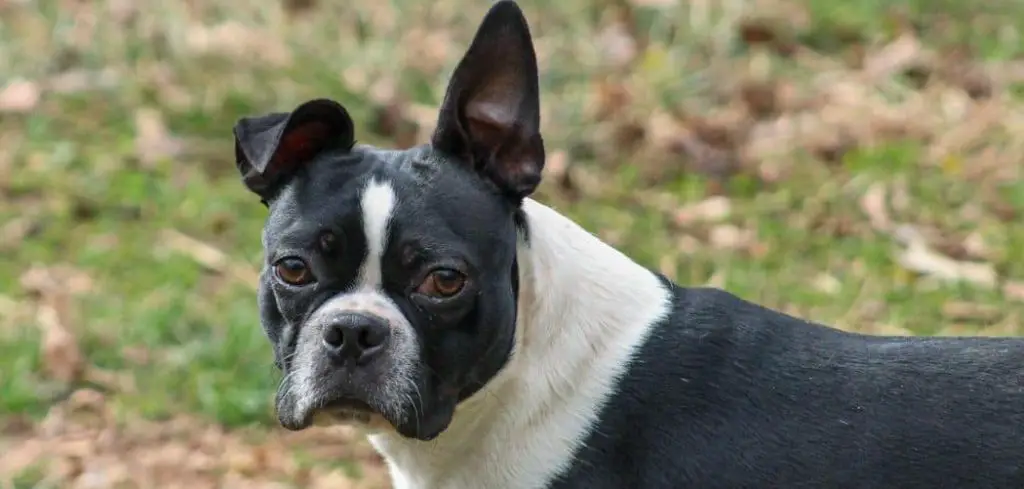
Dog Panting and Eating Grass: Common Causes
Nausea or Gastrointestinal Upset
Grass eating is a common behavior in dogs who feel nauseous or have an upset stomach. Panting often occurs at the same time due to discomfort or pain.
Dogs may frantically eat grass and then vomit. Panting is typically a sign of distress or internal discomfort.
This combo may appear after a dietary indiscretion, such as eating spoiled food or a sudden change in diet.
Stress
Panting is a classic symptom of anxiety in dogs, and some dogs will chew or eat grass to self-soothe.
Triggers can include loud noises, separation from the owner, or travel anxiety.
Dogs with anxiety might pace, tremble, or display repetitive behaviors like grass eating.
Stressful environments or changes in routine may cause this behavior to suddenly appear.
Read more: Old Dog Panting and Eating Grass (When it’s time to worry)
Acid Reflux or Hunger Pangs
Some dogs will eat grass when their stomach is empty or they have acid buildup.
Panting may occur if the stomach discomfort is severe. Dogs might vomit bile or foam shortly after eating grass. Feeding smaller, more frequent meals may help in these cases.
Behavioral Habit
For some dogs, especially those who are easily bored or under-stimulated, grass eating becomes a compulsive or attention-seeking behavior.
Panting in this case may be a sign of overexcitement or physical exertion. Lack of enrichment or exercise can worsen this pattern. Look for patterns. Does it occur during walks, playtime, or after being left alone?
Underlying Illness
Certain health conditions can lead to nausea, increased thirst, or anxiety, causing dogs to pant and seek grass.
Pancreatitis, kidney disease, and liver issues can all trigger nausea. Internal pain may lead to heavy panting. Dogs may instinctively eat grass to induce vomiting or relieve symptoms.
Dog Panting and Eating Grass and Vomiting
When a dog is panting, eating grass, and vomiting, it often signals significant gastrointestinal irritation. The dog may be trying to relieve nausea by eating grass, which can lead to vomiting shortly afterward.
This combination can occur with dietary indiscretion, stomach inflammation, intestinal blockage, or toxin exposure.
Panting may also indicate pain or dehydration, especially if vomiting continues.
Veterinary evaluation is important if symptoms persist, as treatment may include anti-nausea medication, fluids, and dietary management.
Dog Panting and Eating Grass Frantically
A dog panting and eating grass frantically often indicates acute nausea, abdominal discomfort, or anxiety. Dogs may urgently consume grass in an attempt to induce vomiting and relieve stomach upset.
Panting in this situation can signal pain, stress, bloating, or digestive irritation, especially if the behavior appears suddenly.
This combination can also occur with pancreatitis, gastritis, intestinal blockage, or toxin ingestion, so it should be taken seriously.
If the dog also shows restlessness, drooling, vomiting, or a swollen abdomen, immediate veterinary evaluation is recommended.
Old Dog Panting and Eating Grass
An older dog panting and eating grass may be experiencing stomach discomfort, nausea, or anxiety.
Dogs sometimes eat grass to soothe an upset stomach or trigger vomiting, especially if they feel nauseated.
Panting alongside grass eating can indicate pain, digestive upset, or stress, particularly in senior dogs with conditions like gastritis, pancreatitis, or organ disease.
If this behavior happens frequently or is accompanied by lethargy, drooling, or loss of appetite, a veterinary checkup is recommended to identify the underlying cause.
Dog Suddenly Eating Grass Like Crazy
If a dog suddenly starts eating grass excessively, it often suggests acute stomach upset or nausea.
Some dogs also eat grass due to dietary deficiencies, boredom, or anxiety, but sudden intense behavior is more likely linked to digestive discomfort.
If grass eating is followed by vomiting, diarrhea, or reduced appetite, it may indicate gastrointestinal irritation or illness.
Occasional grass eating is usually harmless, but repeated or frantic grass consumption should be monitored and discussed with a veterinarian to rule out underlying problems.
Dog Eating Grass Frantically Middle of Night
When a dog suddenly eats grass frantically at night, it commonly suggests overnight stomach acid buildup or nausea, especially if the dog has gone many hours without food.
Some dogs develop bilious vomiting syndrome, where an empty stomach leads to irritation and urgent grass eating.
Nighttime anxiety, digestive upset, or mild abdominal pain can also trigger this behavior.
If this happens repeatedly, feeding a small late-night meal, adjusting diet, or consulting a veterinarian may help address the underlying cause.
Dog Panting and Eating Grass: What to Do
Monitor Closely
Observe how often your dog eats grass and whether it leads to vomiting.
Take note of the timing, such as after meals, during stressful events, or at random.
Check for other symptoms like diarrhea, drooling, lethargy, or changes in appetite.
Make Dietary Adjustments
Feed smaller, more frequent meals if you suspect acid buildup or hunger.
Ensure your dog isn’t eating something toxic or indigestible when outside.
Add fiber or a small amount of canned pumpkin to meals to ease digestion.
Reduce Stress
Use calming aids like pheromone diffusers or anxiety vests.
Create a predictable routine and offer interactive toys or chews.
Address separation anxiety with gradual training and desensitization.
Don’t Punish the Behavior
Punishment can increase anxiety and reinforce the behavior.
Redirect to appropriate activities like chew toys or training games instead.
When to Call or Visit Your Vet
See your vet promptly if your dog:
Vomits frequently after eating grass
Has persistent diarrhea or soft stools
Is panting excessively even when at rest
Shows signs of lethargy, drooling, or pale gums
Eats grass compulsively or appears unable to stop
Your vet may recommend blood work, x-rays, or dietary trials depending on symptoms. In some cases, medications to ease nausea or anxiety may be helpful.
Read more: Dog Panting and Not Eating (What it means)
Dog Panting and Eating Grass: Treatment
Treatment for panting and frantic grass eating focuses on addressing the underlying digestive or medical issue.
The veterinarian may recommend anti-nausea medications, stomach protectants, fluids for dehydration, and a bland diet such as easily digestible food. If the cause is acid buildup, smaller, more frequent meals may help.
For suspected pain, bloating, or obstruction, imaging and further treatment may be required.
At home, owners should withhold food briefly if vomiting occurs, provide fresh water in small amounts, and monitor for worsening symptoms.
Immediate veterinary care is necessary if vomiting persists, the abdomen becomes distended, or the dog becomes lethargic.
Key Takeaway
Dog panting and eating grass may be your pup’s way of communicating nausea, stress, or internal discomfort. Though it can occasionally be harmless, repeated episodes warrant a closer look.
Stay calm, document what you observe, and contact your vet if symptoms persist or worsen. Early action can help your dog feel better faster and rule out more serious causes.


