
If you’ve noticed your senior dog standing still with their head pressed into a wall or corner, it can be deeply unsettling.
This behavior, often described as head pressing, is not typical and should never be ignored — especially in older dogs.
In this detailed guide, we outline what head pressing means, why it happens in older dogs, the most common causes, and when immediate veterinary care is necessary.
Table of Contents
What Does “Head Pressing” Look Like?
Head pressing typically involves a dog standing motionless with their head pushed against a wall, corner, furniture, or other solid surface. Unlike resting their head gently, this behavior appears deliberate and sustained.
The dog may seem withdrawn, confused, or unresponsive during these episodes. In some cases, they may pace beforehand or appear disoriented.
Head pressing is not normal canine behavior. It often indicates discomfort, neurological disturbance, or altered mental state.
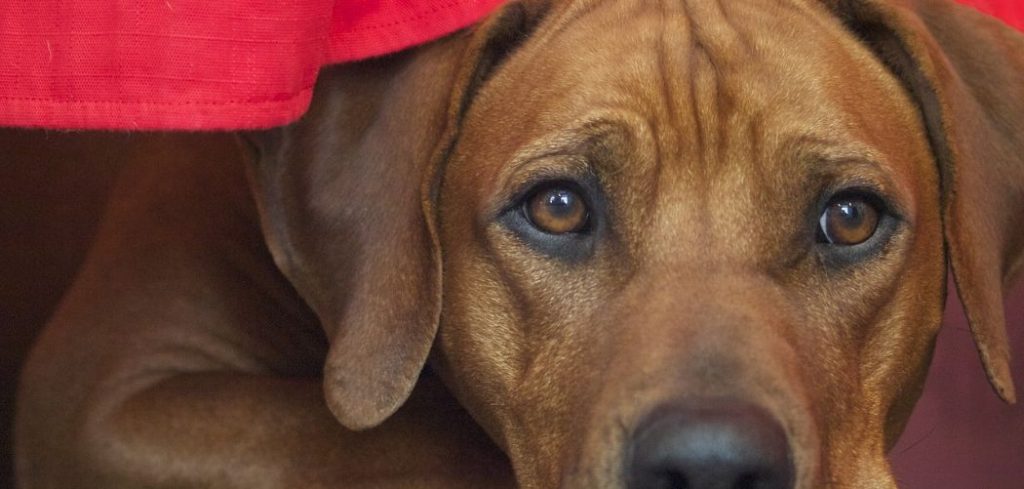
Old Dog Putting Head In Corner: Why It Happens
When an old dog puts their head in a corner, it may be due to confusion, anxiety, vision loss, or neurological problems affecting their awareness and behavior.
Aging can impact both the brain and sensory systems, leading to unusual actions like staring at walls or pressing into corners.
In some cases, this behavior is mild and related to cognitive decline, while in others it may point to more serious issues such as brain disorders or discomfort.
Why This Behavior Is More Concerning In Senior Dogs
As dogs age, they become more susceptible to neurological conditions, metabolic imbalances, and organ dysfunction.
The brain relies on proper blood flow, balanced electrolytes, and toxin-free circulation to function normally.
When something disrupts that balance — whether from liver disease, kidney failure, brain inflammation, or tumors — abnormal behaviors can emerge.
An old dog putting its head in a corner is frequently a sign that something within the nervous system is not functioning properly.
Old Dog Putting Head In Corner: Common Causes
Cognitive Dysfunction Syndrome
Cognitive dysfunction syndrome, sometimes compared to dementia in humans, is common in senior dogs. As brain cells degenerate over time, mental clarity declines.
Dogs with cognitive dysfunction may display confusion, altered sleep patterns, loss of house training, or decreased interaction with family members.
In advanced stages, they may wander aimlessly or stand facing walls or corners.
While mild cognitive decline may not involve true head pressing, more severe cases can cause disorientation that leads to this behavior. However, persistent or forceful head pressing suggests more than simple aging confusion.
Read more: Old Dog Syndrome (Signs, causes and treatment)
Brain Tumors
Brain tumors become more common as dogs age. These growths can increase pressure within the skull, leading to neurological symptoms.
An old dog putting head in corner due to a brain tumor may also exhibit seizures, vision changes, circling behavior, or personality shifts.
Head pressing occurs because increased intracranial pressure or localized brain damage disrupts normal perception and behavior. Tumors may develop slowly, causing subtle signs at first before progressing.
Liver Disease and Hepatic Encephalopathy
The liver plays a crucial role in filtering toxins from the bloodstream. When liver function declines significantly, toxins can accumulate and affect brain function — a condition known as hepatic encephalopathy.
Dogs experiencing toxin buildup may become disoriented, depressed, or confused. Head pressing can occur as neurological impairment worsens.
Other signs may include appetite loss, vomiting, diarrhea, jaundice (yellowing of the gums or eyes), or changes in behavior. Because toxin buildup affects the brain, symptoms can escalate quickly.
Kidney Failure
Advanced kidney disease can also lead to toxin accumulation in the bloodstream. As waste products build up, neurological symptoms may appear.
An old dog putting head in corner due to kidney failure may also drink excessively, urinate frequently, lose weight, or appear lethargic.
Although kidney disease often presents with digestive or urinary symptoms first, neurological signs can emerge in advanced stages.
Stroke
Strokes in dogs, though less common than in humans, can occur. When blood flow to part of the brain is disrupted, sudden neurological symptoms may appear.
Dogs experiencing a stroke may show head pressing, loss of balance, weakness on one side of the body, or abnormal eye movements.
Unlike gradual cognitive decline, stroke-related symptoms often appear suddenly.
Related: Old Dog Neurological Problems (Signs to watch out for)
Brain Inflammation
Inflammation of the brain, known as encephalitis, can be caused by infection or immune-mediated disease.
Brain inflammation disrupts normal neurological function, leading to confusion, head pressing, seizures, or altered consciousness.
Because encephalitis can progress rapidly, emergency veterinary care is required if suspected.
Toxin Exposure
Certain toxins can affect the nervous system. Exposure to chemicals, medications, mold toxins, or poisonous plants can lead to neurological distress.
Head pressing may occur alongside tremors, vomiting, diarrhea, or weakness.
If toxin exposure is suspected, immediate veterinary attention is critical.
Severe Anxiety Or Stress (Less Common)
While anxiety alone rarely causes true head pressing, extreme stress in cognitively impaired dogs may lead to unusual repetitive behaviors.
However, behavioral causes should only be considered after medical causes have been ruled out. True head pressing is far more often neurological than emotional.
Old Dog Putting Head in Corner at Night
An old dog repeatedly putting its head in a corner at night may be experiencing disorientation or canine cognitive dysfunction (CCD).
Senior dogs with cognitive decline can become confused in familiar surroundings, get stuck in corners, stare at walls, wander, or develop disrupted sleep patterns, with these changes often becoming more noticeable at night.
However, this behavior should not automatically be attributed to aging.
Neurological disease, pain, vision or hearing changes, metabolic illness, or other medical problems can also cause unusual behavior in an older dog.
A new or worsening behavior change warrants a veterinary examination to identify treatable causes.
Old Dog Putting Head in Corner: Is This a Sign of End-of-Life?
Putting the head in a corner is not, by itself, a reliable sign that an old dog is nearing the end of life.
It can occur with cognitive dysfunction or neurological disease, and some serious neurological conditions can cause behaviors such as head pressing against objects, circling, or persistent pacing.
It becomes more concerning when it occurs alongside severe weakness, inability to stand or walk, loss of appetite or drinking, repeated vomiting, seizures, difficulty breathing, marked confusion, reduced responsiveness, or loss of bladder or bowel control.
These changes can indicate serious illness, but some causes may still be treatable, so a veterinarian should assess the dog rather than assuming death is imminent.
Read more: Old dog behavior before death (Common signs)
Warning Signs That Require Emergency Care
Head pressing is often considered a neurological emergency. Seek immediate veterinary care if your dog shows:
Seizures
Sudden blindness
Loss of balance
Unresponsiveness
Persistent pacing
Vomiting combined with confusion
Severe lethargy
Because many causes involve brain or organ dysfunction, early intervention can significantly improve outcomes.
Old Dog Putting Head In Corner: Treatment
Diagnosis involves a detailed neurological examination. Your veterinarian will assess reflexes, vision, coordination, and mental awareness.
Blood tests evaluate liver and kidney function, electrolyte balance, and signs of infection.
Advanced imaging such as MRI or CT scan may be recommended to identify tumors, inflammation, or structural abnormalities in the brain.
In some cases, spinal fluid analysis helps detect inflammatory or infectious diseases.
Treatment depends on the underlying cause of the behavior. For cognitive dysfunction, your vet may recommend medications, supplements, and lifestyle adjustments to support brain health and reduce confusion.
If vision or hearing loss is involved, management focuses on environmental adaptations to help your dog feel more secure.
Neurological conditions require diagnostic testing and targeted treatment, which may include medications or specialized care.
If pain or anxiety is contributing, your vet can provide appropriate medications or strategies to improve comfort and reduce stress.
Key Takeaway
An old dog putting its head in a corner is not normal behavior and should always be taken seriously. While mild confusion may occur with aging, persistent head pressing typically signals neurological or metabolic distress.
The key is rapid action. If you notice this behavior, contact your veterinarian immediately for evaluation.
Early diagnosis and appropriate treatment can improve comfort and, in some cases, prevent further progression.
Acting quickly ensures your senior companion receives the care they need during this vulnerable stage of life.


