
Seeing your dog start panting after a vaccine can be unsettling, especially when it appears suddenly or seems more intense than usual.
While mild changes can happen after shots, ongoing or heavy panting can signal something more serious that deserves attention.
In this guide, we explain the common causes of panting after vaccination in dogs, what you can do at home, and to involve your veterinarian.
Dog Panting After Vaccine: Why It Happens
Panting after a vaccine usually happens because the immune system is reacting to the injection, causing inflammation, discomfort, stress, or allergic-type responses that make a dog feel unwell.
Vaccines stimulate the body to recognize and fight disease, and that immune activation can temporarily affect temperature regulation, breathing patterns, and circulation.
Some dogs pant from mild fever or soreness, while others react more strongly with swelling, itching, or internal inflammation.
In more serious cases, panting may reflect allergic reactions, cardiovascular strain, or pain that develops hours after the shot.
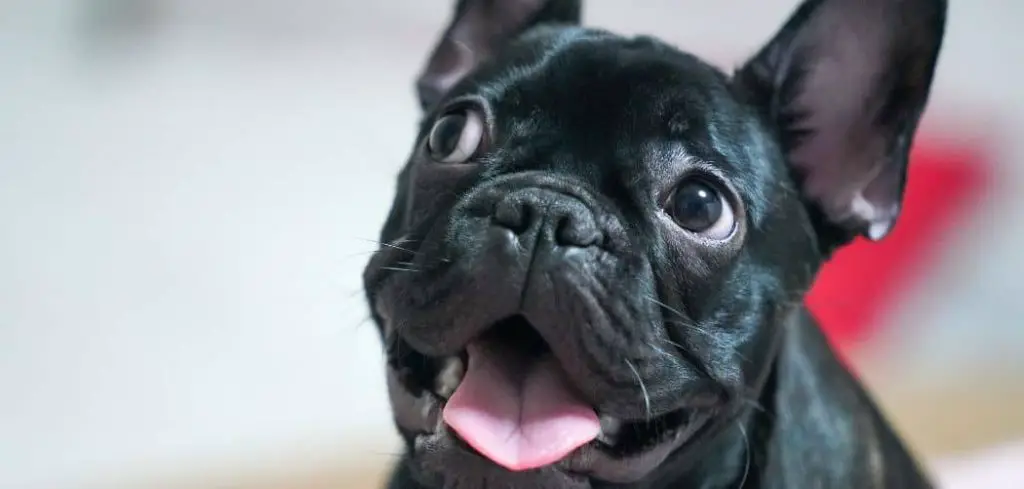
Dog Panting After Vaccine: Common Causes
Immune System Activation
After a vaccine, your dog’s immune system switches into high alert to create protective antibodies.
This process releases inflammatory chemicals throughout the body, which can raise body temperature and increase metabolic demand. As a result, dogs may begin panting to cool themselves and regulate oxygen levels.
You might notice your dog feels warm, is less energetic, or seems restless along with the panting.
While mild immune activation is expected, prolonged panting suggests the immune response may be stronger than average and causing significant discomfort.
Read more: Dog Fever After Vaccine (What’s normal and what’s not)
Vaccine-Related Fever
Some dogs develop a low-grade fever after vaccination, especially within the first 24 to 48 hours.
Fever increases the body’s need to release heat, and dogs do this by panting. This can make breathing appear rapid or labored even when the dog is resting.
You may also notice your dog sleeping more, feeling warm to the touch, or avoiding food and water.
When fever persists or becomes high, panting can escalate and may signal the body is struggling to cope with inflammation.
Injection Site Pain and Muscle Soreness
Vaccines are injected deep into muscle tissue, which can become inflamed and sore afterward.
Pain in the shoulder, hip, or neck where the vaccine was given can make dogs tense their muscles and breathe faster as a response to discomfort. Panting is one of the most common ways dogs express pain.
Your dog may flinch when touched, resist lying down, or move stiffly along with the panting.
Pain-related panting should fade within a day, but worsening soreness or continued heavy breathing suggests a more serious reaction.
Allergic Reaction to the Vaccine
Some dogs are sensitive to vaccine ingredients, which can trigger an allergic reaction.
Histamine release causes swelling, itching, redness, and changes in blood flow that force the heart and lungs to work harder. This can lead to sudden panting even when the dog is not hot or active.
You may notice facial swelling, hives, itchy skin, red eyes, or vomiting along with the panting.
Allergic reactions can escalate quickly and become life-threatening, so panting combined with swelling or lethargy is a medical emergency.
Cardiovascular or Blood Pressure Changes
Vaccines can temporarily alter blood pressure and circulation in sensitive dogs.
When blood pressure drops or blood vessels dilate, oxygen delivery to tissues can decrease, triggering panting as the body tries to compensate.
Dogs may appear weak, pale-gummed, shaky, or disoriented along with the heavy breathing.
This type of response is more dangerous and can indicate shock or collapse if not treated promptly.
Stress and Anxiety After Vaccination
Vet visits, needles, and restraint can be emotionally overwhelming for some dogs. Stress releases adrenaline and cortisol, which increase heart rate and breathing. Panting is one of the most visible signs of stress and anxiety.
Your dog may pace, whine, tremble, or seem unsettled along with panting.
While stress-related panting often fades as the dog relaxes, it should not continue for many hours or worsen over time.
Read more: Dog Vomiting After Vaccine (What it really means)
What to Do If Your Dog Is Panting After A Vaccine
Start by placing your dog in a calm, quiet environment away from noise, children, or other pets so the nervous system can settle and breathing can slow naturally.
Make sure your dog has access to fresh water and a cool resting area, as hydration and temperature control help reduce panting triggered by fever or inflammation.
Gently monitor your dog’s behavior, gum color, and breathing rate every 30 minutes, watching for any signs of worsening distress or weakness.
Avoid exercise, excitement, or heat exposure for at least 24 hours after vaccination so the body can recover without added strain.
Do not give human pain relievers or allergy medications unless your veterinarian has specifically approved them, as many are toxic to dogs.
When to Call or Visit Your Vet
If your dog’s panting is heavy, constant, or paired with collapse, weakness, or pale gums, seek veterinary care immediately.
Any panting accompanied by facial swelling, hives, vomiting, or diarrhea should be treated as an emergency allergic reaction.
If panting continues longer than 24 hours or worsens instead of improving, your veterinarian should evaluate your dog for fever, pain, or internal reactions.
Rapid breathing that looks labored, noisy, or strained means oxygen delivery may be compromised and requires urgent care.
Read more: Dog side effects after vaccines (Possible reactions explained)
Key Takeaway
Panting after vaccination is often a sign that your dog’s immune system is responding, but it should never be ignored when it becomes intense, prolonged, or paired with other symptoms.
Monitoring your dog closely, providing rest and hydration, and knowing when to involve your veterinarian can make the difference between a simple reaction and a medical emergency.
With quick attention and proper care, most dogs recover smoothly and safely from post-vaccine reactions.