
A urinary tract infection is already stressful for a dog, but it becomes especially worrying when your dog isn’t responding to antibiotics for a UTI.
Whether the medication doesn’t seem to be helping or symptoms are actually getting worse, owners often feel confused and anxious about what’s going on.
This guide explains the most common reasons a dog may not be improving on UTI antibiotics, what you can do.
Dog Not Responding to Antibiotics for UTI: Why It Happens
Dogs may fail to improve on UTI antibiotics for several reasons, ranging from resistant bacteria to deeper urinary system problems that can’t be resolved with medication alone. Some infections are caused by organisms that don’t respond to common first-line antibiotics, while others are linked to bladder stones or kidney disease that keep the infection active.
Poor drug absorption, incorrect dosages, or other health conditions—such as diabetes or Cushing’s disease—can also make treatment less effective.
A dog may also appear unresponsive because the symptoms are being caused by something other than a typical urinary tract infection.
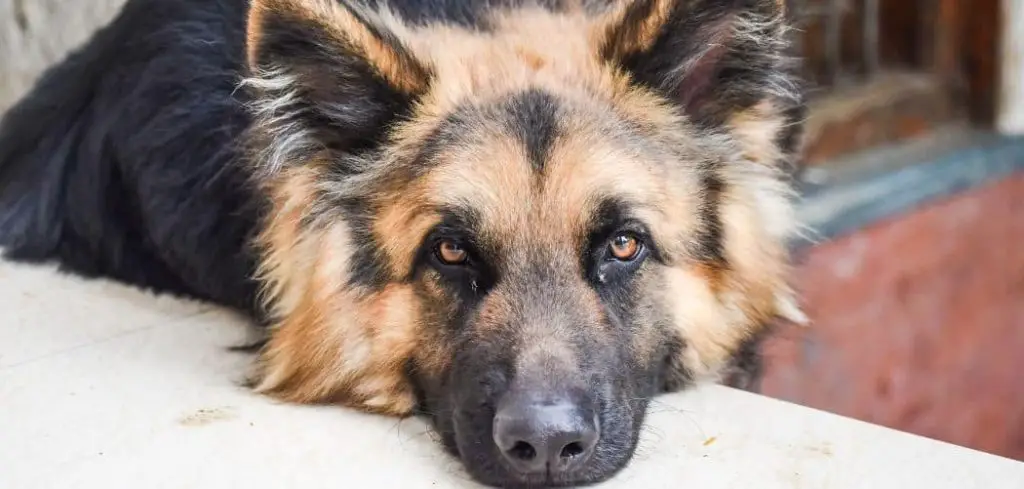
Dog Not Responding to Antibiotics for UTI: Common Causes
Antibiotic-Resistant Bacteria
Antibiotic resistance is one of the most common reasons a dog does not improve on UTI medication.
When bacteria no longer respond to the prescribed antibiotic, the infection continues to thrive even though treatment has started. This is especially common with recurrent UTIs or infections that were treated previously with the same medication.
You may notice that your dog is still straining, having accidents, leaking urine, or showing blood in their urine after several days of treatment.
Because resistant infections require a different, targeted antibiotic, this situation usually needs a urine culture to pinpoint exactly which medication will work.
Related: Dog Not Recovering From Vestibular Disease (Why it happens)
Wrong Antibiotic for the Type of Bacteria
Not all antibiotics treat all urinary bacteria. If the medication prescribed doesn’t target the specific organism causing the infection, your dog won’t respond well.
Many first-line antibiotics are selected based on typical UTI bacteria, but infections caused by less common organisms may not react to those drugs.
A dog may seem only slightly improved—or not improved at all—after several days. Continued discomfort or persistent urination issues usually suggest that a different antibiotic is required.
This is why urine cultures with sensitivity testing are essential for stubborn or non-responsive UTIs.
Bladder Stones or Crystals
Bladder stones are a major hidden cause of UTIs that won’t clear with antibiotics.
Stones create rough surfaces inside the bladder where bacteria hide, making infections nearly impossible to treat without addressing the stones themselves. Even the right antibiotic cannot fully clean the bladder because the bacteria lodge deep within these mineral deposits.
A dog with stones may show ongoing symptoms such as straining, frequent urination, accidents, pain, and blood in the urine despite being on medication.
Ultrasound or X-rays are often needed to detect stones so that treatment can be adjusted appropriately.
Prostatitis in Male Dogs
In intact male dogs, a persistent UTI that doesn’t respond to antibiotics may actually be a prostate infection.
The prostate gland can harbor bacteria that are difficult for many antibiotics to penetrate. Even if the bladder infection partially improves, the bacteria in the prostate can reseed the bladder repeatedly.
Symptoms may include ongoing straining, discomfort, fever, lethargy, or difficulty passing urine.
Because prostatitis requires specific antibiotics and longer treatment, failing to identify it early can lead to ongoing or worsening symptoms.
Kidney Infection (Pyelonephritis)
A dog that doesn’t respond to UTI treatment may have a more serious infection affecting the kidneys.
Kidney infections often cause more severe symptoms, and standard UTI medications may be too weak or too short-acting to treat the infection fully. A dog may still drink excessively, act lethargic, vomit, or have abdominal pain despite antibiotic therapy.
These infections typically require stronger, longer courses of medication and sometimes hospitalization for fluids or supportive care.
Ignoring these signs can lead to long-term kidney damage.
Incomplete Treatment
Sometimes the issue isn’t the antibiotic—it’s how the body receives it. If doses were missed, the course was stopped early, or the dog vomited shortly after taking the medication, the infection may not have been treated consistently.
Certain health issues, such as digestive disorders, can also cause poor absorption of oral antibiotics, meaning the medication never fully reaches the urinary tract.
In these cases, symptoms often appear to improve briefly, then quickly return. A longer or adjusted course is often needed once consistent dosing is reestablished.
Related: Dog Not Recovering from Seizure (Here’s Why)
What to Do If Your Dog Is Not Responding to Antibiotics for UTI
If your dog isn’t improving on antibiotics, the first step is to contact your veterinarian, even if you are only a few days into the treatment. Continued symptoms usually indicate that the infection is resistant, deeper, or misdiagnosed. Waiting too long can allow the infection to worsen and travel upward.
Your vet may recommend a urine culture to identify the exact bacteria and the most effective antibiotic. This is the most reliable way to fix a non-responding UTI and prevents multiple failed treatments.
If bladder stones or kidney involvement are suspected, imaging such as an ultrasound or X-ray may be needed. These tests help determine whether the infection is secondary to another medical issue that must be treated separately.
Make sure your dog is drinking plenty of fresh water to help flush the urinary system. Encouraging water intake with wet food, broth, or a pet fountain can help keep urine dilute and reduce discomfort while your dog awaits further treatment.
Continue giving all prescribed medications exactly as directed. Even if you suspect they are not working, stopping early can make bacteria more resistant and harder to treat. Always wait for your vet’s guidance before changing or discontinuing medication.
Veterinary attention
If your dog continues to strain to urinate, cries out in pain, or produces blood in the urine despite being on antibiotics, veterinary attention is needed right away. These signs indicate that the infection may be more serious or spreading beyond the bladder.
A dog that becomes lethargic, develops a fever, or stops eating or drinking may be dealing with a kidney infection or systemic illness. These conditions require immediate care and sometimes hospitalization for fluids and supportive therapy.
If your male dog is intact and the symptoms persist, prostatitis should be ruled out promptly because it can lead to long-term discomfort and recurring UTIs.
In cases of suspected bladder stones, emergency care is necessary if the dog shows signs of inability to urinate. This can quickly become life-threatening and needs urgent intervention.
Any worsening of symptoms, lack of improvement after several days, or sudden behavioral changes should be evaluated as soon as possible to prevent complications.
Read more: Dog Not Responding to Name and Lethargic (What this usually means)
Key Takeaway
A dog not responding to antibiotics for a UTI almost always signals that something deeper is going on, whether it’s resistant bacteria, the wrong medication, bladder stones, or an underlying medical problem.
Early communication with your vet, proper testing, and supportive care at home can make a major difference in your dog’s comfort and recovery.
With the right diagnosis and treatment plan, most dogs overcome even stubborn or complex urinary infections and return to feeling like themselves again.