
A dog not releasing placenta after giving birth can be a serious concern for both the mother and her puppies. While some cases are manageable at home under close observation, others require immediate veterinary attention to prevent complications.
Retained placenta can lead to infections, prolonged labor complications, and can even threaten the dog’s life if left untreated.
This guide explains the most common causes of a dog not releasing placenta, what you can do, and why urgent veterinary care is necessary.
Dog Not Releasing Placenta: Why It Happens
A dog may not release placenta due to a combination of physical, hormonal, and obstetric factors. Common causes include uterine inertia, infections, retained fetal membranes, and complications during labor.
Puppies can sometimes be delivered without the placenta immediately following, but prolonged retention increases the risk of postpartum infections, toxemia, and other health concerns. Prompt recognition and veterinary care are crucial to prevent serious complications.
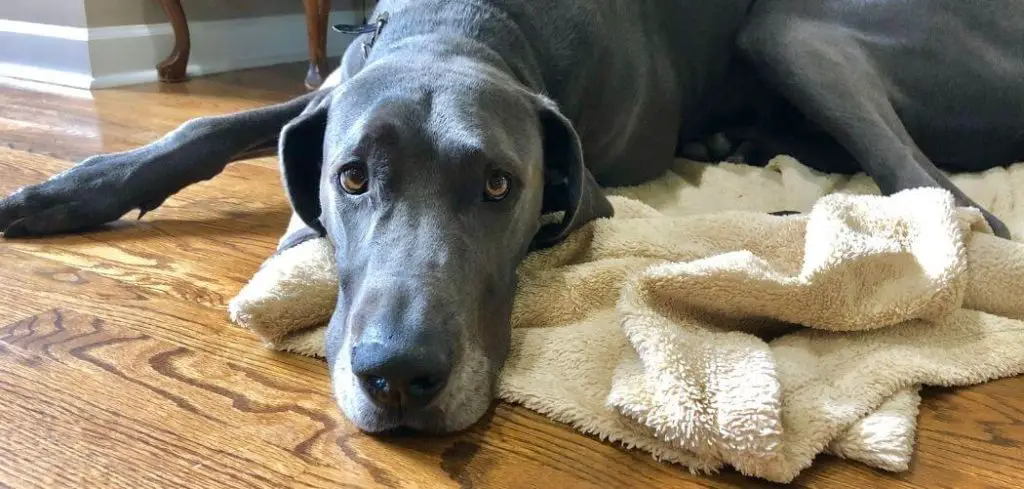
Dog Not Releasing Placenta: Common Causes
Uterine Inertia
Uterine inertia occurs when the uterus fails to contract effectively after the puppies are born.
This condition can be primary, where contractions never start properly, or secondary, where the uterus becomes fatigued after prolonged labor.
Without strong contractions, the placenta may remain inside the uterus, increasing the risk of infection.
Signs may include a dog that seems exhausted after delivery, has weak or irregular contractions, or shows no interest in cleaning or attending to her puppies.
Related: Dog diarrhea due to heat cycle (Why it happens)
Retained Fetal Membranes
Sometimes the placenta or parts of it can become physically trapped inside the uterus. Retained fetal membranes prevent complete expulsion and can cause uterine infections if not addressed.
A dog may show signs of discomfort, licking her vulva excessively, or producing abnormal vaginal discharge.
This condition is particularly risky if more than 24 hours pass without expulsion, as bacteria can multiply quickly in the retained tissue.
Infection (Metritis)
Postpartum uterine infections, or metritis, can interfere with the release of the placenta.
Bacteria entering the uterus during or after delivery can cause inflammation and impaired contractions.
Symptoms may include fever, foul-smelling discharge, lethargy, and decreased appetite.
If left untreated, infections can become life-threatening and may affect the survival of the puppies as well.
Dystocia (Complicated Labor)
Complicated labor, or dystocia, can prevent normal expulsion of the placenta. Causes include oversized puppies, malpositioned fetuses, or narrow pelvic structures.
When labor is prolonged or obstructed, the uterus may fail to expel the placenta naturally. Signs include prolonged straining without delivering pups, visible distress, or abnormal discharge.
Timely veterinary intervention is essential in these situations to prevent both maternal and neonatal complications.
Hormonal Imbalances
Hormonal imbalances, particularly involving oxytocin, can prevent effective uterine contractions required to release the placenta.
Oxytocin is critical for uterine contractions and milk letdown. Dogs with low or disrupted oxytocin levels may experience delayed placental expulsion.
Observing a dog who appears restless, uncomfortable, or refuses to nurse her puppies may indicate a hormonal cause that requires professional evaluation.
Trauma or Injury
In some cases, trauma or injury to the reproductive tract during labor can hinder the expulsion of the placenta.
Vaginal tears, uterine damage, or excessive swelling can prevent normal contractions or physically block the placenta from exiting.
You may notice excessive bleeding, swelling, or signs of pain in the dog after delivery, highlighting the need for immediate veterinary assessment.
Related: Dog diarrhea with no other symptoms (What it means)
What to Do If Your Dog Is Not Releasing Placenta
If your dog has not released the placenta after delivery, first monitor her closely. Keep her calm and comfortable in a warm, quiet space. Ensure she has access to water and food, as hydration and nutrition support uterine function.
Do not attempt to pull the placenta manually, as this can cause severe injury or infection. Instead, observe for signs of labor contractions and vaginal discharge.
Gentle encouragement for the dog to move around may sometimes aid natural expulsion, but always avoid force.
Contact your veterinarian immediately if the placenta is not delivered within 24 hours or if your dog shows signs of discomfort, foul-smelling discharge, fever, or lethargy.
Your veterinarian may perform an examination and provide medications such as oxytocin or antibiotics, or may need to perform manual removal or surgical intervention if necessary.
Supporting your dog’s environment by keeping her puppies nearby can encourage natural nursing behaviors, which may help stimulate uterine contractions and aid placental release.
When to Call or Visit Your Vet
Immediate veterinary attention is required if your dog has not released the placenta within 24 hours after giving birth. Warning signs include persistent straining without results, excessive bleeding, foul-smelling vaginal discharge, fever, lethargy, refusal to eat, or signs of pain.
If you notice abnormal behavior such as restlessness, continuous whining, or failure to attend to her puppies, these may indicate complications requiring urgent care. Delaying treatment can lead to severe infections, toxemia, or even life-threatening conditions for both the mother and her puppies.
Prompt professional evaluation ensures proper management, whether through medication, manual removal, or surgical intervention.
Key Takeaway
A dog not releasing placenta is a serious condition that can threaten her health and the well-being of her puppies. Causes range from uterine inertia, retained fetal membranes, infection, complicated labor, hormonal imbalances, to trauma.
Monitoring your dog closely, providing a calm environment, and seeking veterinary care promptly can prevent severe complications.
Timely intervention ensures your dog recovers safely, maintains her ability to nurse her puppies, and reduces the risk of life-threatening infections.