
If your dog suddenly stops peeing but seems otherwise healthy and active, it can be worrying for any dog owner.
While your dog may appear normal, changes in urination can indicate underlying medical issues that should not be ignored.
In this guide, we explain the common reasons a dog may not pee but act normal, what you can do and when to seek veterinary care.
Dog Not Peeing but Acting Normal Why It Happens
A dog not peeing while appearing normal can happen for a variety of reasons, ranging from mild dehydration to urinary tract obstruction or kidney issues.
Sometimes, older dogs may temporarily hold urine due to stress, changes in routine, or minor bladder irritation.
Other times, medications, kidney disease, urinary stones, or infections can reduce urination without immediately affecting energy, appetite, or behavior.
Careful observation and early intervention can help prevent complications like urinary blockages or kidney strain.
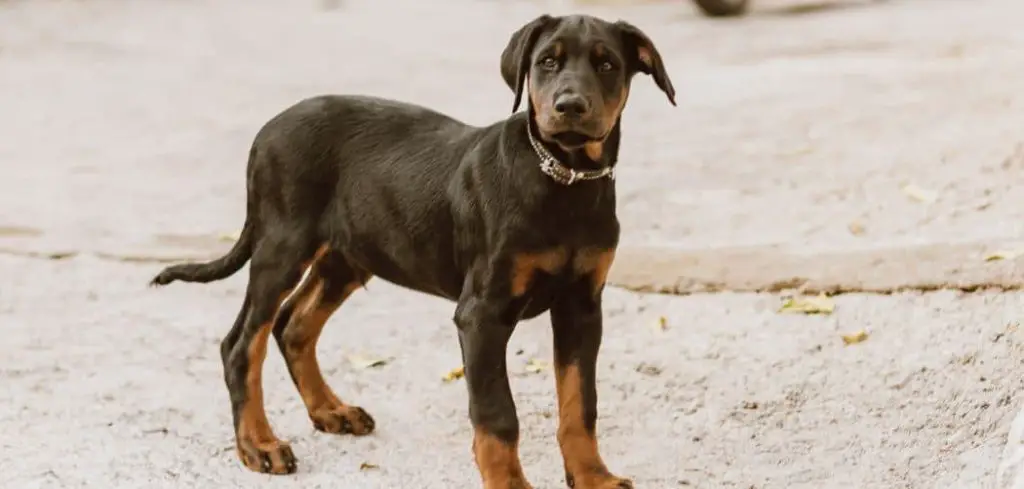
Dog Not Peeing but Acting Normal: Common Causes
Dehydration or Reduced Water Intake
Even mild dehydration can reduce a dog’s urine output without changing their behavior.
Dogs who drink less water due to hot weather, dietary changes, or subtle illness may produce smaller amounts of urine.
Signs of dehydration can be subtle and include slightly dry gums or mild lethargy, which may not be noticeable. Ensuring access to fresh water and monitoring intake is essential for overall urinary health.
Related: Dog peeing excessively (Why it happens)
Urinary Tract Infection (UTI)
A urinary tract infection can sometimes reduce the frequency of urination in dogs. In some cases, older dogs with UTIs may not show pain or discomfort while urinating, especially early on.
The infection can irritate the bladder lining, leading to decreased urine output or occasional accidents.
Left untreated, UTIs can progress to kidney infections or more severe bladder issues.
Urinary Stones
Stones or crystals in the bladder or urethra can partially obstruct urine flow. Dogs may appear normal, eat well, and maintain regular activity, but the obstruction can slowly reduce urine output.
Stones may cause intermittent discomfort, straining, or blood in the urine if left untreated. Early detection is crucial to prevent complete blockage, which can become life-threatening.
Medications or Supplements
Certain medications or supplements can affect kidney function or urinary frequency.
Drugs for pain, inflammation, or heart conditions may reduce urine production as a side effect.
Even if your dog seems normal, changes in urination should be noted, and a veterinarian can adjust dosing or suggest alternatives if needed.
Kidney or Bladder Issues
Underlying kidney or bladder problems may not immediately affect a dog’s behavior. Chronic kidney disease, kidney infections, or bladder inflammation can slowly reduce urine output.
Dogs often compensate well in the early stages, maintaining normal activity, which can delay detection.
Routine checkups, blood work, and urine tests can reveal early signs of dysfunction before more severe symptoms develop.
Stress
Changes in environment, travel, or anxiety can cause temporary changes in urination.
Dogs may “hold it” if they are uncomfortable with their surroundings or new routines, yet continue eating, drinking, and playing normally.
While usually harmless, prolonged stress can contribute to bladder issues over time, so addressing the cause of anxiety is important.
Read more: Dog has blood in urine but acting normal (What it means)
Dog Not Peeing but Acting Normal: What to Do
Start by monitoring water intake, urination frequency, and any changes in behavior. Encourage your dog to drink by offering fresh water, wet food, or ice cubes if appropriate.
Take note of any subtle signs of discomfort, accidents in the house, or changes in appetite.
Avoid giving human medications without veterinary advice. Keeping a log of urination and fluid intake can help your veterinarian identify the underlying cause if the behavior persists.
When to Call or Visit Your Vet
Contact your veterinarian promptly if your dog has not urinated for more than 12–24 hours, if they show signs of distress, or if urine output is extremely low.
Seek immediate attention if you notice straining, blood in the urine, vomiting, lethargy, or swollen abdomen.
Even dogs acting normal can have serious urinary blockages or kidney problems that require urgent intervention.
Early veterinary care ensures proper diagnosis and prevents potentially life-threatening complications.
Read more: Dog Not Peeing For 24 Hours (Understanding the Causes)
Key Takeaway
A dog not peeing but acting normal can result from mild dehydration, stress, dietary changes, medications, urinary tract issues, or underlying kidney and bladder problems.
Observing water intake, monitoring urination, and noting any subtle changes are essential first steps.
Persistent or unusual changes in urination should always be evaluated by a veterinarian to ensure your dog’s health is protected and to prevent complications.
Immediate attention and careful monitoring are key to keeping your dog comfortable and safe.