
When your dog isn’t peeing after being neutered, it can be alarming and confusing. Surgery is stressful enough, and seeing your dog struggle afterward only adds to the worry.
This guide explains the most common causes of your dog not peeing after being neutered, what you can do at home, and when it’s best to involve your veterinarian.
Why Your Dog Not Peeing After Neuter Is a Concern
Neutering (castration) is one of the most common canine surgeries, and most dogs recover smoothly. But when a dog doesn’t urinate within a normal time frame after the procedure, it can signal pain, inflammation, fear of movement, or a medical complication that needs attention.
A healthy dog should pee within 12–24 hours after surgery. Delays beyond this window—especially if your dog is restless, straining, crying, or unable to get comfortable—warrant closer monitoring.
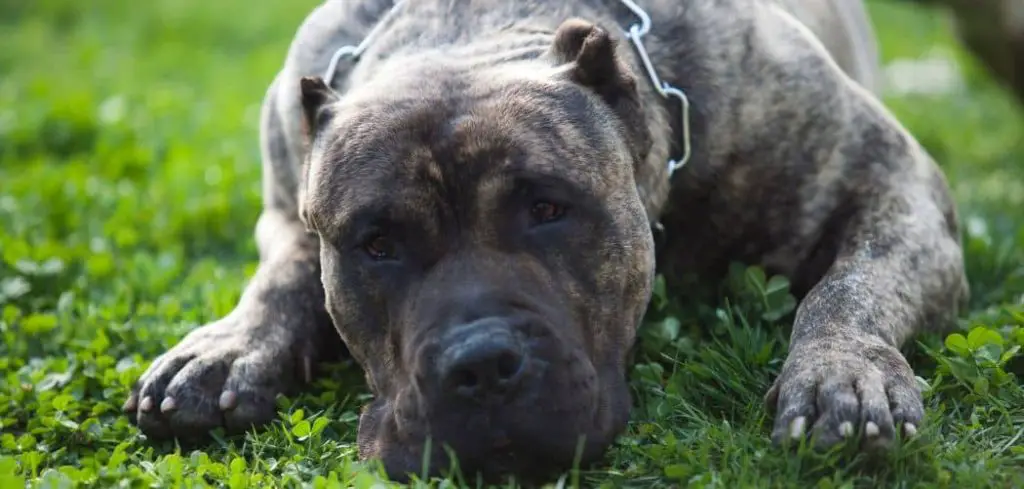
Dog Not Peeing After Neuter: Why It Happens
A dog not peeing after a neuter surgery often happens due to temporary discomfort, anesthesia effects, or stress, all of which can make a dog reluctant to urinate. Some dogs may also hold their urine because the surgical area feels sensitive, or they may be unsure about moving around after the procedure.
In rare cases, complications such as swelling, pain, or a urinary blockage can prevent normal urination and require prompt veterinary attention.
Monitoring your dog closely and contacting your vet if they haven’t peed within 12–24 hours is essential.
Common Causes of a Dog Not Peeing After Neuter
Pain or Discomfort After Surgery
Even with pain medication, many dogs experience discomfort after neutering, especially when trying to change positions, squat, or lift their leg.
Because peeing requires specific body posture and mild abdominal pressure, dogs may resist urinating simply to avoid discomfort.
This hesitation is often most noticeable in the first 12–18 hours after returning home. As the pain medication takes effect and swelling decreases, most dogs begin to urinate normally again. However, severe or escalating pain can prolong the delay and should be monitored.
Inflammation around the surgical site
Neutering involves an incision in a sensitive area, and mild swelling is normal. But when swelling is more pronounced, it can make the entire region feel tight or tender.
Some dogs will refuse to posture because the stretching sensation increases their discomfort.
The inflammation can also trigger temporary stiffness or reluctance to walk to their usual bathroom spot.
Although inflammation typically improves steadily over 48 hours, persistent swelling or worsening sensitivity may indicate a complication such as fluid buildup or early infection.
Reaction to anesthesia
Anesthesia can leave dogs groggy and disconnected for several hours after surgery. During this period, they may not fully register the sensation of needing to urinate.
Others may feel off-balance or nauseous and avoid movement altogether. These reactions generally fade as the medication clears the system, but dogs who remain heavily sedated or disoriented for longer than expected should be re-evaluated by a vet.
Related: Dog peeing excessively (Why it happens)
Urethral irritation from catheter use
Some dogs require a urinary catheter during surgery. Even when removed properly, the catheter can leave the urethra irritated. This irritation may cause discomfort when a dog tries to urinate, making them hesitant or resistant.
Dogs may lick excessively, strain without producing urine, or display signs of discomfort when attempting to pee.
Although most irritation resolves within 24 hours, severe pain or complete inability to urinate should never be ignored.
Post-surgical urinary tract infection
While rare, UTIs can develop after neutering due to temporary changes in the dog’s immune system or bacteria entering the area.
UTIs can cause burning, urgency, or the constant feeling of needing to urinate—yet only small dribbles or none may come out.
Dogs may pace, whine, lick at their genitals, or seem unusually restless. Because UTIs can worsen quickly, especially after surgery, prompt veterinary evaluation is essential if symptoms appear.
Bladder spasms
Occasionally, dogs develop bladder spasms after anesthesia or catheterization. These spasms create confusing signals, where the bladder contracts involuntarily but doesn’t release urine effectively.
Dogs may posture repeatedly with no results, appear frustrated, or leak small amounts of urine inside the home. Bladder spasms are uncomfortable but treatable with medication.
Stress
Recovery can be overwhelming for dogs. The combination of new sensations, grogginess, a cone collar, and being handled differently can lead to temporary stress.
Many dogs become unusually cautious or clingy during this period and may hesitate to urinate because they feel insecure or disoriented.
This is especially common in sensitive or anxious breeds. Providing a quiet, familiar space and staying calm yourself can help reduce this barrier.
Fear of the cone collar
Some dogs freeze when wearing an Elizabethan collar. They may not understand how to navigate doorways or posture normally with the cone in place.
A dog who can’t figure out how to stand or squat comfortably may avoid urinating altogether. If the cone is interfering physically, a flotation collar or inflatable collar may help—as long as the incision remains protected.
Change in routine
Dogs thrive on routine, and the disruption caused by vet visits, anesthesia, and confinement can interrupt their normal bathroom behaviors.
Some dogs simply don’t feel comfortable urinating in new or unfamiliar circumstances. Allowing more time outside, visiting familiar potty spots, and offering gentle encouragement can help.
Urinary retention
In rarer cases, a dog may experience true urinary retention where the bladder becomes too full and the muscles fail to release urine. This can happen due to pain, nerve response, or urinary tract obstruction.
The dog may look uncomfortable, pace, or whine, and the abdomen may feel tight or swollen.
Urinary retention is an emergency and requires immediate veterinary care to prevent bladder rupture or other serious complications.
Obstruction or blockage
Although neutering itself does not cause urinary blockages, swelling or underlying medical issues can create or worsen blockages.
Stones, urethral plugs, or congenital abnormalities can prevent urine from passing. This is more common in male dogs due to their narrow urethra.
A dog who is straining repeatedly, crying out, or producing only drops of urine should be seen urgently.
Complications from surgical bleeding
While uncommon, internal bleeding around the surgical site can lead to swelling or pressure near the urethra.
This pressure can restrict normal urine flow. Dogs may become weak, pale, lethargic, or cool to the touch. Any suspicion of abnormal bleeding should be treated as an emergency.
What You Can Do at Home
Encourage your dog to drink small amounts of water frequently, as hydration helps stimulate urination. If your dog refuses to drink, try offering low-sodium broth or wetting their food.
Take them outside more often than usual and visit areas where they typically feel comfortable peeing. Walk slowly, give them time, and avoid rushing.
If your dog seems afraid of the cone, temporarily remove it only while you are supervising closely, or switch to a more comfortable protective collar. Make sure your dog has a calm, quiet space to rest. Reduce activity, prevent jumping, and gently encourage them to relax.
Follow your veterinarian’s pain medication instructions precisely. Dogs often start urinating normally once pain relief is effective.
Never give human medication, as many are toxic to dogs. Monitor for signs of discomfort, pacing, whining, bloated abdomen, or repeated straining with no urine.
Related: Dog peeing a lot and not eating (Here’s why)
When to Call or Visit the Vet
Contact your veterinarian right away if you notice any of the following:
Your dog has not peed within 24 hours after neutering.
Your dog is straining repeatedly with no urine.
Your dog cries out, paces, or seems unable to get comfortable.
The belly appears swollen or tight.
Your dog becomes lethargic, weak, or unusually quiet.
You see blood, pus, or foul discharge from the incision.
Your dog is vomiting, refusing water, or showing signs of distress.
The incision is swollen, hot, or leaking fluid.
These symptoms may indicate a complication that needs prompt treatment.
Key Takeaway
A dog not peeing after being neutered is usually caused by pain, inflammation, stress, or temporary urinary tract irritation. In most cases, once your dog is comfortable and relaxed, normal urination returns within the first day. However, complete inability to urinate is never something to ignore and can become an emergency if delayed.
Stay attentive, give your dog a calm environment, offer gentle encouragement, and do not hesitate to reach out to your veterinarian if something feels off. Your dog’s comfort, safety, and recovery are always the top priority.