
When your dog is not moving after surgery, it can be extremely alarming. Seeing your pet stiff, reluctant to stand, or unwilling to walk leaves most owners fearing something is seriously wrong.
We outline the common causes of a dog not moving after surgery, what you can do at home, and when to seek veterinary help.
Dog Not Moving After Surgery: Why It Happens
A dog not moving after surgery is usually due to pain, anesthesia effects, medication reactions, or complications such as infection or internal bleeding. Many dogs feel groggy, weak, and unsteady for several hours after anesthesia, but the inability to move can also indicate post-operative discomfort, swelling, or a problem with the surgical site.
Some dogs also freeze or stay still due to fear, nausea, or confusion after waking up from sedation.
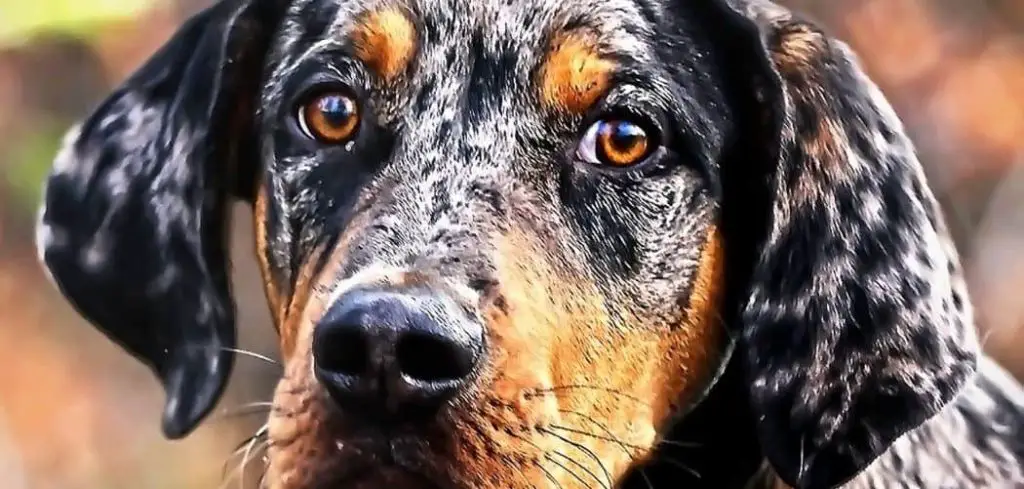
Dog Not Moving After Surgery: Common Causes
Post-Operative Pain
Post-operative pain is one of the most common reasons a dog refuses to move after surgery. Even with pain medication, many dogs still experience soreness, swelling, and stiffness around the surgical area.
Pain makes dogs hesitant to stand, walk, or change positions. They may remain in one spot for long periods, avoid turning their head, or tremble when attempting to shift their weight.
This is especially true after orthopedic surgeries, spay/neuter procedures, abdominal surgeries, or anything involving tissue dissection.
If pain is severe or underestimated, a dog may completely avoid movement to prevent discomfort. This is serious because excessive stillness can slow recovery, affect healing, and increase the risk of complications like stiffness or swelling.
Some dogs may also vocalize, pant heavily, or look distressed when touched. Pain after surgery needs proper control, and when it’s not managed well, immobility becomes one of the first signs owners notice.
Related: Dog Not Moving or Eating (Why it happens)
Anesthesia or Sedation Effects
Anesthesia lingers in many dogs long after they leave the clinic. This can cause confusion, muscle weakness, unsteady balance, and extreme lethargy.
If a dog is not moving after surgery, residual anesthesia is often the reason. Dogs may feel “out of it,” disoriented, or simply too tired to stand up. Their brain needs time to fully awaken, and their muscles may feel heavy or uncoordinated.
For some dogs—especially seniors, brachycephalic breeds (like Bulldogs), and those with heart or liver issues—the effects of anesthesia can last much longer. These dogs may sleep excessively, collapse when attempting to walk, or stay motionless due to dizziness or nausea.
If your dog still isn’t moving hours after coming home, it may be normal, but it also may signal that anesthesia is taking longer than expected to wear off.
Medication Side Effects
Many post-surgery medications can cause extreme drowsiness, weakness, or reluctance to move. Analgesics (pain meds), sedatives, anti-inflammatories, opioids, and anxiety medications can all make a dog stay still for long periods.
Opioids in particular can cause:
• Slowed movement.
• Disorientation.
• Heavy sedation.
• Trouble balancing.
• Mild tremors.
If a dog is on multiple medications, the combined effect can be strong enough that they simply do not want to move. In some cases, medication reactions can cause restlessness, panting, or trembling that makes the dog freeze in place.
Medication reactions need careful monitoring because in rare cases, they may signal a dose that’s too strong or a drug that isn’t well-tolerated.
Internal Bleeding
Internal bleeding is a serious post-surgery complication that can cause a dog to collapse or refuse to move. It is more likely after abdominal surgery, spay procedures, tumor removal, or any operation involving blood vessels.
A dog experiencing internal bleeding may:
• Become very weak.
• Lay down and not get back up.
• Show pale gums.
• Breathe rapidly.
• Act unusually quiet.
Because blood loss leads to low oxygen levels and weakness, the dog may not have the strength to stand or walk. This is an emergency and requires immediate veterinary care.
The lack of movement is often one of the earliest signs that something is very wrong internally.
Infection or Inflammation at the Surgical Site
If the incision becomes infected or inflamed, the area may feel hot, tight, swollen, and painful. This discomfort can cause a dog to freeze in place or avoid moving to prevent further pain.
A dog with an infected incision may:
• Whine or growl when touched.
• Guard the surgical area.
• Refuse to walk.
• Develop fever or chills.
• Shake or tremble.
Infection can spread quickly and put strain on the body, making the dog feel weak and exhausted. If your dog not moving after surgery is paired with redness, swelling, discharge, or a foul smell, infection should be suspected immediately.
Shock or Circulatory Issues
Shock is a life-threatening problem where blood pressure becomes dangerously low, often due to major blood loss, allergic reactions, or severe pain.
A dog in shock typically:
• Stops moving.
• Appears limp.
• Has cool paws or ears.
• May breathe fast.
• Feels weak or collapses.
Shock can occur shortly after surgery or within the first 24 hours. Because movement becomes physically difficult, immobility is a key symptom. This requires urgent veterinary attention and cannot be monitored at home.
Related: Dog suddenly not eating and vomiting (Here’s why)
What to Do If Your Dog Is Not Moving After Surgery
If your dog is not moving after surgery, the first step is to stay calm and observe carefully. Many dogs need several hours to recover from anesthesia, and resting quietly is normal.
Check whether your dog responds when you gently call their name or touch them. If they can lift their head or shift slightly, the issue may be simple grogginess or soreness. Keep them warm, comfortable, and on soft bedding while monitoring closely.
If you suspect pain is the reason your dog isn’t moving, try to assess whether they seem tense, vocalize, or react when touching the surgical site.
You can also check if you administered all prescribed pain medication as directed. A small delay or missed dose can significantly impact comfort and mobility.
Ensure your dog stays hydrated by offering small amounts of water regularly. Dehydration after surgery can worsen lethargy, dizziness, and muscle weakness, making it harder for them to get up.
Keep your dog in a quiet, dim room to reduce stress, especially if they appear anxious or disoriented.
If medication side effects are suspected, monitor your dog’s breathing, coordination, and alertness. Some sedatives cause heavy drowsiness, but they should still respond to you. If they appear excessively sedated or unresponsive, call your vet for guidance on dosage adjustments.
Finally, avoid encouraging your dog to walk before they’re ready. Forcing movement can worsen pain, strain the incision, or cause falls. Let your dog rest but keep an eye on any signs that point to something more serious.
When to Call or Visit Your Vet
You should contact your vet urgently if your dog is not moving after surgery and shows signs of distress. If they appear very weak, collapse, or cannot lift their head, this may indicate internal bleeding or shock. Pale gums, rapid breathing, or cold limbs are also serious warning signs.
If the incision area looks swollen, red, or emits an odor, an infection is very likely. In this case, your dog may refuse to move because of severe pain around the incision.
Fever, shaking, or lethargy also point toward infection and require immediate veterinary attention.
Call your vet if your dog vomits repeatedly, pants excessively, or seems unable to stay awake.
These symptoms can signal medication reactions or complications from anesthesia. Heavy sedation that does not improve after several hours should always be checked by a professional.
If your dog has not moved at all for more than a few hours after arriving home, especially if the surgery was earlier in the day, contacting your veterinarian is recommended. They can help determine whether this is normal or requires evaluation.
Read more: White Specks in Dog Poop and Not Moving (What it means)
Key Takeaway
A dog not moving after surgery can be normal for a short period, but it can also signal complications that need prompt attention. Pain, grogginess, medication effects, and temporary weakness are common and usually resolve with rest and proper care.
However, signs like pale gums, swelling, or unresponsiveness require immediate veterinary help.
Always monitor your dog closely during the first 24 hours and trust your instincts—if something feels wrong, calling your vet is the safest choice.