
When a dog suddenly stops jumping on the bed, it’s easy to worry something serious is going on.
We outline the common reasons for a dog no longer wanting to jump on the bed, what you can do at home, and when to seek veterinary help.
Dog Not Jumping on Bed Anymore: Why It Happens
A dog not jumping on the bed anymore is usually avoiding the movement because something about it has become uncomfortable, frightening, or physically difficult.
Pain from joints or muscles is one of the most common causes, especially if the dog used to jump easily. Fear or hesitation can develop after a fall or a bad landing. Weight gain can make jumping more difficult.
Soft tissue injuries, arthritis, back problems, or even temporary stiffness can all make a dog second-guess a jump.
Sometimes the change stems from emotional stress rather than pain, especially in sensitive dogs who associate the bed with a negative event.
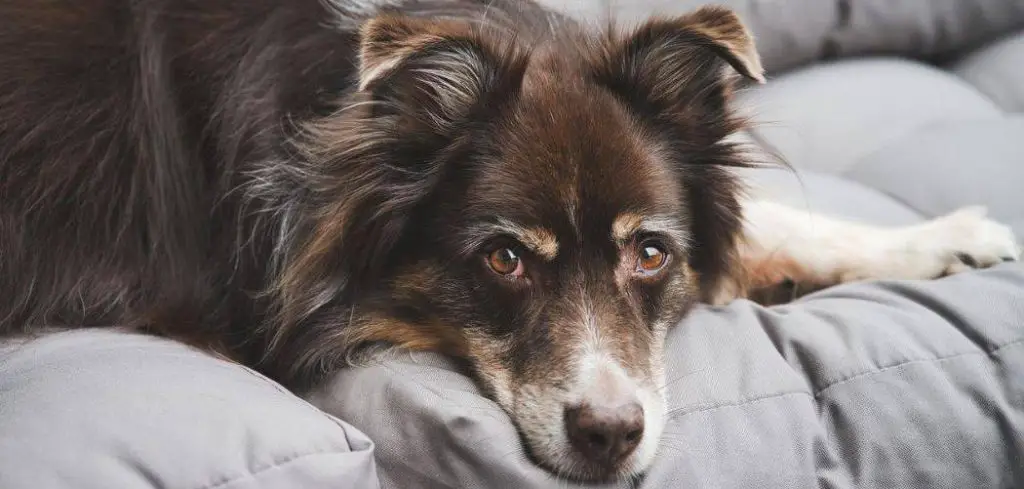
Dog Not Jumping on Bed Anymore: Common Causes
Arthritis or Joint Pain
Joint discomfort is one of the most common reasons a dog stops jumping onto elevated surfaces.
Arthritis makes the hips, knees, or lower back stiff and painful, especially in the morning or after resting. Jumping requires strong hind leg power and full joint mobility, so even mild stiffness can make a dog hesitate.
You may also notice your dog walking slower, struggling with stairs, or showing subtle signs like licking a joint or shifting weight off the hind legs.
The behavior often worsens on colder mornings because low temperatures increase stiffness. For many dogs, avoiding the bed is simply a way to avoid that split-second jolt of pain that comes with landing or pushing upward.
This is a serious cause because arthritis is progressive, and early management can dramatically improve comfort and mobility.
Related: Dog excessively licking bed (Here’s why)
Back or Spine Pain
Back pain affects how confidently a dog can jump, twist, or land. Conditions like intervertebral disc disease (IVDD), pinched nerves, strained back muscles, or soft tissue inflammation can make jumping feel risky or painful.
Dogs with back problems often lower their heads, arch their backs, or refuse movements that require explosive energy.
You may notice your dog walking more slowly, avoiding stretching, trembling when picked up, or being sensitive when touched along the spine. Even if the back issue is mild, the shock of jumping up onto a bed can create enough discomfort that your dog stops trying altogether.
Back pain should always be taken seriously because worsening symptoms can appear suddenly if the dog continues movements that aggravate the spine.
Muscle Strain or Soft Tissue Injury
A pulled muscle can make jumping feel difficult or even impossible. Dogs can strain muscles while playing, slipping on smooth floors, twisting suddenly, or racing up and down stairs.
These injuries often appear minor because dogs frequently hide pain, but they can still make jumping uncomfortable.
You might observe limping, stiffness after naps, or a short stride in one leg. Some dogs continue normal walking but avoid any movement requiring explosive force, like jumping up on the bed.
Soft tissue injuries often improve with rest, but they should never be ignored—continuing to jump can worsen them or delay healing.
Fear
Sometimes the cause is emotional rather than physical. A dog may stop jumping on the bed after slipping, missing a jump, being startled while trying to get up, or experiencing pain that the dog now associates with the bed. Even one unpleasant event can make a dog hesitant.
This is especially true for sensitive, anxious, or cautious dogs who quickly learn to avoid situations that felt scary.
You may notice your dog pacing near the bed, stretching their neck toward it, whining for help, or attempting a jump but backing away at the last second. If the dog appears otherwise physically normal, fear-based hesitation is likely.
This cause matters because fear often leads to ongoing avoidance unless the dog regains confidence—and that may require both reassurance and addressing any underlying pain.
Weight Gain
Extra weight places strain on joints, muscles, and the spine. A dog who has gained even a few pounds may find it harder to jump onto the bed, especially if the dog was already borderline on strength or agility.
Reduced activity levels from aging, boredom, or lifestyle changes can also weaken muscles essential for jumping.
You may see your dog pant more easily, tire quickly, or move less readily than before. The refusal to jump is often a sign that the dog’s strength-to-weight ratio has shifted.
This cause is important because excess weight contributes to arthritis, joint damage, and long-term mobility problems.
Aging-Related Changes
Even without arthritis or injury, aging alone can make jumping more difficult. Older dogs experience natural changes in muscle tone, coordination, and joint flexibility. They may simply feel less stable when attempting to leap onto a higher surface like a bed.
You may also notice slower reactions, less enthusiasm for vigorous movement, or shorter periods of play. These age-related changes are often subtle at first, appearing only during more demanding actions—like jumping.
Understanding this cause is essential because recognizing age-related limitations early allows you to make adjustments that protect your dog’s comfort and mobility.
Related: Dog Not Jumping Anymore (Should you worry?)
What to Do If Your Dog Is Not Jumping on the Bed Anymore
Start by observing your dog’s movement throughout the day. Notice whether your dog avoids other actions like climbing stairs, jumping into the car, or rising from the floor. This helps determine whether the issue is limited to the bed or part of a broader mobility problem.
At home, give your dog a few days of rest from strenuous activity. Reducing running, rough play, and repetitive jumping allows strained muscles or irritated joints to settle.
If your dog becomes more willing to jump after a few days of rest, the issue may have been temporary soreness.
You can also make the bed easier to access. Placing steps or a pet ramp beside the bed gives your dog a gradual incline instead of a high leap. Many dogs regain confidence quickly when the movement feels less demanding.
For dogs who appear fearful, gentle encouragement helps. Sit on the bed, offer treats, and reward any movement toward the bed without forcing a jump. Rebuilding confidence takes time, especially if pain contributed to the hesitation.
If you suspect joint stiffness or mild discomfort, some owners use warm compresses, short leash walks, or light massage to relieve tension. Always keep movements slow and controlled, and avoid stretching a limb that seems painful.
And throughout this process, monitor your dog closely. If improvement does not happen after several days, a veterinary evaluation is important—especially if the behavior change appeared suddenly.
When to Call or Visit Your Vet
Contact your veterinarian promptly if your dog’s refusal to jump is accompanied by other signs of discomfort.
Seek care if your dog shows obvious pain when moving, reluctance to walk, trembling, or difficulty rising after rest. These symptoms often indicate joint problems, back issues, or an injury requiring medical attention.
A sudden loss of mobility is especially concerning. If your dog used to jump confidently and now avoids even small steps or low surfaces, this could signal a slipped disc or another serious condition needing immediate treatment.
Also, call your vet if the behavior persists beyond a few days despite rest. Chronic hesitation usually means an underlying condition that won’t resolve on its own.
Finally, get veterinary help if your dog shows neurological symptoms such as wobbliness, dragging a paw, or loss of coordination. These issues should never be monitored at home because they can quickly worsen.
Read more: Dog Panting and Jumping on Me (Why it happens)
Key Takeaway
A dog not jumping on the bed anymore is often communicating that something has become uncomfortable, difficult, or frightening about the movement. Whether the root cause is pain, a physical limitation, fear, or age-related change, the behavior deserves attention.
Monitor your dog’s mobility, offer rest, make the jump easier, and support confidence with gentle encouragement. If the issue persists or your dog shows signs of pain, a veterinary evaluation is the safest next step.
With the right care and adjustments, most dogs regain comfort and confidence—whether by jumping again or enjoying a more accessible way to reach their favorite spot with you.