
A dog not interested in toys can worry any owner, especially if your dog normally loves playtime or suddenly loses enthusiasm for their favorite activities.
Toys are more than entertainment—they help with mental stimulation, exercise, bonding, and emotional health.
We outline the common reasons for a dog not being interested in toys, what you can do and when veterinary attention is needed.
Dog Not Interested in Toys: Why It Happens
A dog not interested in toys is often experiencing boredom, aging changes, pain, dental discomfort, low energy, or emotional stress that reduces their motivation to play. Dogs may stop engaging with toys for physical reasons, such as arthritis or muscle pain, because movement becomes uncomfortable.
They may also lose interest due to mental changes, anxiety, or a lack of proper stimulation.
In some cases, a dog simply becomes tired of the same toys and needs variety, or they never learned how to play with toys in the first place.
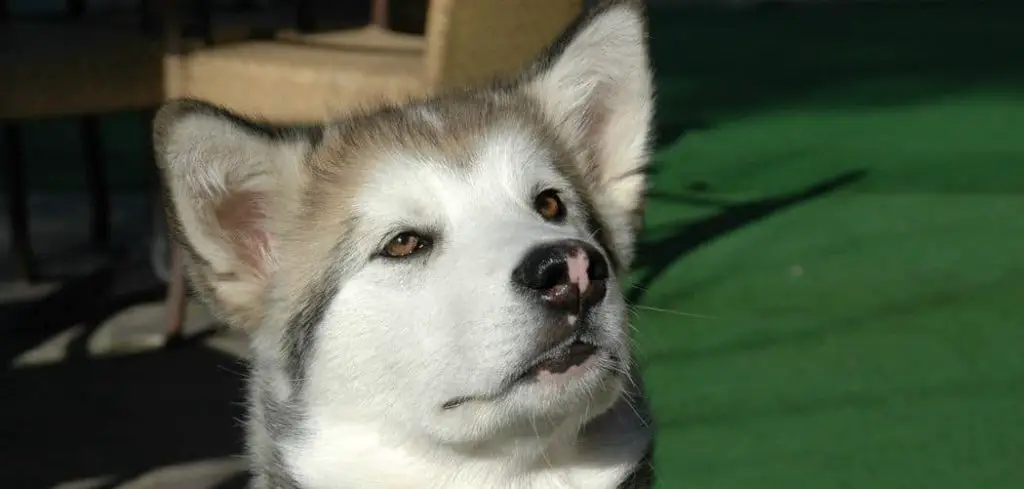
Dog Not Interested in Toys: Reasons Why It Happens
Boredom
A very common cause of a dog not being interested in toys is simple boredom. Dogs need novelty to stay engaged, and when toys are left out all the time, they can become predictable and unexciting.
You may notice your dog sniff a toy briefly and walk away or ignore toys they once loved. This often happens when the dog’s daily routine lacks enrichment, new smells, or problem-solving opportunities.
Boredom matters because it can lead to reduced mental stimulation, frustration, or even behavioral problems over time.
A dog that isn’t mentally challenged may withdraw from play and appear uninterested in activities they once enjoyed.
Rotating toys, introducing puzzle feeders, or adding variety to play sessions often revives interest quickly.
Related: Dog Not Happy About Waking Up (Here’s why)
Pain
Pain is one of the most overlooked causes of a dog not interested in toys. Dogs experiencing muscle soreness, joint pain, back discomfort, or an injury may avoid activities that require movement or effort.
Your dog may still walk normally but avoid pouncing, tugging, or running—activities that toys usually involve. They may show reluctance to fetch, shake toys, or bend their head and neck to pick items up.
Pain-related disinterest is serious because it signals an underlying problem such as arthritis, a soft-tissue injury, or spinal discomfort. Dogs often hide pain well, so withdrawing from play is sometimes the only noticeable clue.
If your dog has stopped playing suddenly, especially if they also have stiffness or mobility changes, pain should be high on the list of causes.
Dental Problems
Dental pain is a frequent reason for a dog not wanting toys, especially chew toys. Issues like broken teeth, gum inflammation, infected roots, or loose teeth make chewing uncomfortable or impossible.
Your dog may approach toys but hesitate to pick them up or drop them quickly. They might refuse harder toys they previously enjoyed or switch to softer ones only to eventually avoid all toys.
Mouth pain is serious because dental infections can spread and significantly affect a dog’s overall health.
A dog that doesn’t want toys due to mouth pain may also eat more slowly, drool, or show hesitation when grabbing treats.
Toy avoidance caused by dental discomfort will not resolve without proper veterinary care.
Stress
Dogs often lose interest in toys when they feel stressed, insecure, or emotionally overwhelmed. Anxiety affects motivation and can dramatically reduce a dog’s desire to engage in playful behavior.
This may happen after a major routine change, a move, new family member, loud event, or extended period alone.
Some dogs also shut down emotionally when they feel confused by new situations or overstimulated in busy environments.
You may notice restlessness, reduced engagement with family, clinginess, or avoidance of previously enjoyable activities.
Play behavior often returns once the dog regains confidence and feels secure again.
Emotional causes are important to address because chronic stress can affect appetite, sleep, and behavior over time.
Cognitive Decline
Senior dogs may become less interested in toys simply because their cognitive function is changing. Aging dogs can experience reduced curiosity, slower reactions, or less enthusiasm for activities they once enjoyed.
You might notice your older dog staring at toys without interacting, walking past them, or only engaging briefly before losing interest.
Reduced play doesn’t always mean discomfort—it can also reflect natural shifts in mental processing.
Cognitive decline is serious because it affects overall wellbeing, behavior, and independence.
While play interest often decreases gradually, environmental enrichment, gentle toys, and structured routines can help support aging dogs.
Behavioral History
Some dogs never learned how to play with toys, especially those adopted from shelters, raised with limited enrichment, or coming from environments where toys were not available.
They may look confused by toys or fail to understand the purpose of fetching, tugging, or chewing. This is especially common in dogs that were previously strays, bred for working roles, or deprived of enrichment during puppyhood.
A dog not interested in toys for this reason is not “lazy” or “unmotivated”—they simply need gentle encouragement and structured play guidance. Over time, they usually develop stronger interest once they learn how toys work.
This cause is important because lack of play can reduce bonding opportunities and slow training progress.
Related: Dog Not Friendly with Other Dogs (Here’s why)
What to Do If Your Dog Is Not Interested in Toys
If your dog is not interested in toys, start by offering gentle encouragement rather than pressure. Sit with your dog and allow them to explore toys at their own pace. Sometimes proximity and calm interaction help reignite curiosity.
Try rotating toys to keep them novel and exciting. Introducing new textures, squeaks, scents, or puzzle-style feeders can also stimulate interest.
Some dogs prefer toys that move, smell different, or resemble prey, while others enjoy quiet interactive games.
If you suspect boredom, incorporate new forms of enrichment such as sniff walks, hidden-treat games, or food puzzles. These activities often inspire play when combined with positive reinforcement and praise.
If you believe your dog might be in pain, watch how they move, jump, and chew. Any hesitation should be treated with caution.
Avoid tugging or encouraging high-impact play until you are confident they are comfortable.
For dogs with anxiety or emotional stress, create a calm environment and offer predictable routines.
Reduced stress often brings playfulness back naturally. Gentle bonding activities such as massage, structured training, or quiet interactive games can help.
If dental discomfort is a concern, offer softer toys and monitor for signs like slow eating or drooling. However, dental pain cannot be managed at home—your vet must evaluate it to prevent complications.
Patience is key. A dog not interested in toys often needs support, reassurance, and gentle guidance to regain motivation.
When to Call or Visit Your Vet
You should contact your vet if your dog’s loss of interest in toys lasts longer than a few days and cannot be explained by boredom or emotional stress. A persistent change in behavior may indicate pain, illness, or underlying dental issues.
Seek veterinary care if your dog shows signs of oral discomfort, such as dropping food, pawing at the mouth, drooling, or refusing hard treats. Dental issues are painful and require treatment to prevent infection.
You should also schedule a vet visit if your dog shows stiffness, limping, reluctance to jump, or reduced mobility. Pain-related play avoidance can escalate quickly and should not be ignored.
If your dog behaves unusually withdrawn, clingy, restless, or anxious, it may signal emotional or medical changes that need evaluation.
Finally, contact your vet immediately if toy disinterest is accompanied by appetite changes, vomiting, lethargy, or sudden behavior changes. These combined symptoms suggest something more serious is affecting your dog’s wellbeing.
Read more: Dog Suddenly Doesn’t Want to Go Outside Anymore (What it means)
Key Takeaway
A dog not interested in toys may be dealing with boredom, discomfort, dental pain, anxiety, or harmless aging changes.
While the cause is often simple and easily managed, a sudden or persistent lack of play interest should be taken seriously.
By observing your dog closely, offering supportive enrichment, and seeking veterinary guidance when needed, you can help your dog rediscover joy in playtime and ensure their physical and emotional wellbeing stays strong.