
A dog not interested in eating can be alarming, especially if your pup normally runs to the bowl the second you fill it.
We outline the common reasons for a dog not being interested in eating, what you can do at home, and when to seek veterinary help.
Dog Not Interested in Eating: Why It Happens
A dog not interested in eating is usually responding to physical discomfort, emotional stress, or an environmental change that disrupts their normal appetite. Dogs may refuse food because of nausea, dental pain, anxiety, recent vaccinations, or something as simple as a sudden change in food flavor.
Many dogs also become picky when they feel bloated, when they’ve eaten something that upset their stomach, or when they’re adjusting to a new routine.
Appetite loss is one of the earliest signs owners notice when a dog doesn’t feel quite like themselves, which is why it should never be ignored.
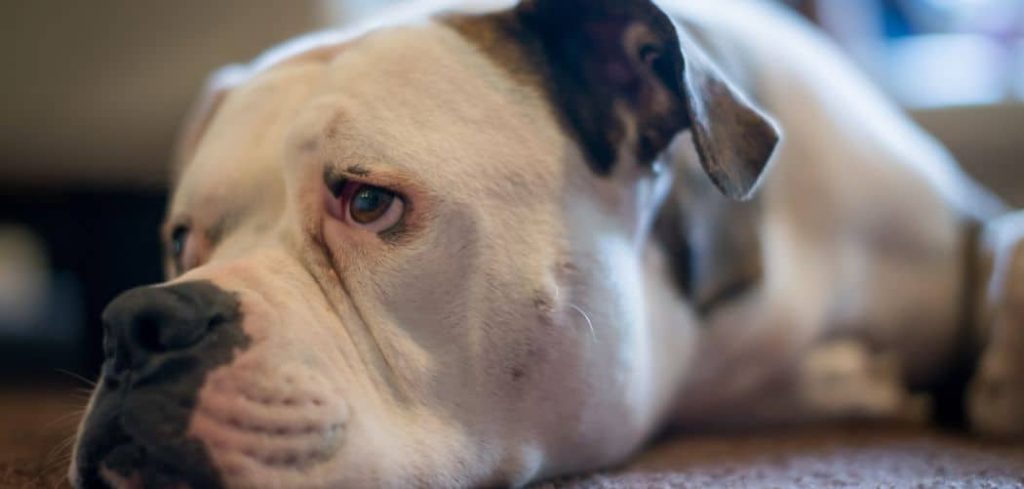
Dog Not Interested in Eating: Common Causes
Digestive Upset
Digestive discomfort is one of the most common reasons a dog becomes uninterested in eating.
Even mild stomach irritation can make food seem unappealing. A dog with nausea may lick their lips, drool, swallow excessively, eat grass, or pace around their bowl without taking a bite.
Gas pain or bloating from a dietary indiscretion, rapid eating, or new treats can make your dog avoid their meal even if they’re hungry.
In many cases, the digestive upset improves within 24 hours. But prolonged appetite loss can signal something more serious like pancreatitis, parasites, or an infection, making it important to monitor your dog closely.
Related: Dog suddenly not eating and vomiting (Here’s why)
Dental Pain
Anything that affects the mouth can make a dog back away from food. Dental disease, loose teeth, gum infections, broken teeth, oral injuries, and even lodged foreign objects can make chewing painful.
Dogs with mouth pain may show interest in food but turn away once they begin chewing. Others may drop food from their mouth, paw at their face, or only try to eat soft foods.
Dental pain is often overlooked because dogs hide discomfort well, but it is a major contributor to reduced appetite in dogs of all ages.
Stress
Emotional stress has a powerful effect on a dog’s appetite. Routine changes, guests in the home, a new pet, fireworks, moving houses, or even changes in the owner’s work schedule can make a dog uninterested in eating.
Stress hormones disrupt normal digestion and can make the stomach feel tight or unsettled.
Some dogs are incredibly sensitive to their environment and stop eating immediately after disruptions. Others may pick at food or eat only when the house is quiet.
If your dog recently experienced a major change, stress is likely playing a role.
Food Aversion or Dislike of New Food
Sometimes the reason is simple: your dog doesn’t like the taste, smell, or texture of the food.
Sudden formula changes, new brands, expired kibble, or a switch from wet to dry food can immediately reduce interest. Dogs that have previously vomited after eating a certain food may develop an aversion, refusing it even when nausea has passed.
Food aversion can also occur if a dog associates their meal with a negative experience — such as being scolded near their bowl or feeling sick shortly after eating.
Pain
A dog not interested in eating may be dealing with pain unrelated to the mouth or digestive tract.
Joint pain, back pain, ear infections, anal gland soreness, and even skin inflammation can make a dog too uncomfortable to settle and eat. Pain increases stress hormones, which naturally reduce appetite.
Many dogs also avoid eating if bending their head down to the bowl worsens their discomfort.
If your dog looks stiff, restless, or sensitive to touch, pain may be playing a major role in their lack of appetite.
Illness
Any illness — mild or serious — can suppress appetite. Dogs with fever, infection, kennel cough, respiratory issues, or systemic inflammation may refuse food as their body shifts energy toward healing.
Loss of interest in eating is often one of the first signs of underlying disease.
Some conditions, like kidney disease, liver disease, and pancreatitis, can make eating physically uncomfortable. Others, such as viral or bacterial infections, lower appetite simply because the dog feels unwell.
When appetite loss lasts more than 24 hours, a medical cause becomes increasingly likely.
Related: Dog shaking and not eating (Why it happens)
What to Do If Your Dog Is Not Interested in Eating
If your dog is not interested in eating, start by creating a calm, low-stress environment around mealtime.
Offer their food in a quiet space away from distractions, loud noises, or other pets. Some dogs eat better when they feel safe, undisturbed, and relaxed.
You can also try warming the food slightly to enhance aroma, adding a splash of low-sodium broth, or mixing in a tablespoon of wet food to make the meal more enticing. Dogs rely heavily on scent, and these simple changes can stimulate appetite.
If your dog recently had stomach discomfort, give their system a short rest by offering bland food such as plain chicken and rice for 24 hours. This can soothe mild digestive irritation and gently reintroduce eating without overwhelming the stomach.
Be patient if your dog is recovering from stress or anxiety. Keep a consistent schedule, maintain predictable routines, and offer meals at the same times each day. Routine helps regulated dogs regain their appetite.
If your dog skips more than one meal or has absolutely no interest in food, observe closely for other symptoms — vomiting, diarrhea, shaking, lethargy, drooling, or abdominal pain — which can help determine whether urgent care is needed.
When to Call or Visit Your Vet
Seek veterinary help if your dog refuses food for more than 24 hours, especially if they normally eat consistently. Sudden appetite loss accompanied by vomiting, diarrhea, trembling, weakness, or signs of pain should be treated as urgent.
Contact your vet immediately if your dog is uninterested in food and also appears dehydrated. Symptoms like dry gums, sunken eyes, or reduced urination can indicate fast-progressing issues that need professional treatment.
If your dog has existing health conditions such as kidney disease, diabetes, pancreatitis, or a history of gastrointestinal problems, loss of appetite should always be taken seriously and addressed promptly.
Puppies, senior dogs, and small breeds can decline quickly when they stop eating, so do not wait more than 12–18 hours before seeking help for these groups.
If your dog has dental pain, visible oral injuries, or difficulty chewing, a veterinary exam is essential to identify and treat the underlying cause before the problem worsens.
Read more: Dog Not Eating but Drinking Water (Why it happens)
Key Takeaway
A dog not interested in eating is communicating that something is off — whether it’s nausea, stress, pain, or an illness beginning to develop.
Watching for additional symptoms, keeping mealtime calm, and offering supportive care at home can often help your dog eat again. But if appetite loss persists or is paired with worrying signs, a prompt visit to the vet is the safest option.
With early attention and gentle support, you can help your dog feel better, restore their appetite, and return to their normal routine with greater comfort and confidence.