
A dog not holding their tail up but still eating can leave owners confused, because eating normally often gives the impression that everything is fine.
Yet tail position is a major communication tool for dogs, and when it drops or hangs lower than usual, it often indicates discomfort, pain, or emotional stress.
This guide outlines the common causes of a dog not holding their tail up but still eating, what you can do at home, and when to seek veterinary help.
Dog Not Holding Tail Up but Eating: Why It Happens
A dog not holding tail up but eating is most often linked to pain, tail injury, lower back problems, anal gland issues, or emotional stress that doesn’t affect appetite. Many dogs continue to eat normally even when something is wrong physically, especially if the discomfort is mild or gradual.
A lowered tail can be an early sign of strained muscles, inflammation near the tail base, or discomfort caused by activities such as rough play, long hikes, or slipping on smooth surfaces.
Some dogs may also hold their tail down when they feel anxious, frightened, or overwhelmed.
Even when your dog is still eating, a dropped tail should never be ignored because it often precedes worsening symptoms or reflects a painful area your dog is trying to guard.
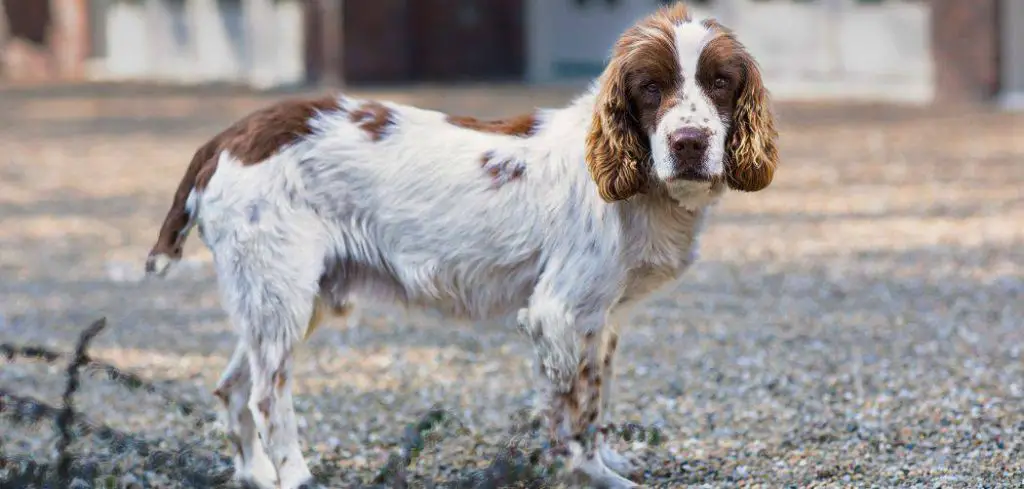
Dog Not Holding Tail Up but Eating: Common Causes
Tail Strain or Sprain
A common reason for a dog not holding their tail up but still eating is a tail strain, also known as limber tail syndrome. This occurs when the muscles at the base of the tail become overworked or inflamed.
Your dog may still eat normally because appetite isn’t directly affected, but they may avoid wagging, lifting, or curling their tail. The tail may appear limp, painful at the base, or held straight out at first and then dropped.
Limber tail is especially common after swimming, intense exercise, long periods of crate rest, or sudden weather changes. Even though it often improves with rest, it can be painful and cause difficulty sitting or positioning themselves comfortably.
A tail strain is not usually dangerous, but it can be extremely uncomfortable and requires proper rest and monitoring.
Read more: Dog Not Holding Tail Up When Walking (What it means)
Tail Base Injury
If your dog experienced a minor fall, collision, or rough play incident, the tail base could be bruised or inflamed. This often causes a dropped or guarded tail, even if your dog is otherwise acting normal and eating well.
You may notice your dog flinch when the tail base is touched, avoid sitting, or have mild swelling around the area. The injury may not be immediately obvious, especially if the hair is thick.
Tail injuries can range from mild bruising to more serious structural damage. Early signs are often subtle, and a dog may continue to eat because pain is localized rather than systemic.
This type of injury should be watched closely because swelling can worsen or lead to infection if the skin is broken.
Anal Gland Impaction or Infection
Anal gland discomfort is another common cause of a dog not holding tail up but eating normally. When the anal glands become full, impacted, or infected, the pressure causes pain near the tail base.
A dog may tuck or lower their tail because raising it increases discomfort. Other signs include scooting, licking the anal area, or reluctance to defecate.
Anal gland problems can escalate quickly, turning into abscesses or ruptures that cause severe pain and require immediate veterinary care. Even mild impaction deserves attention because it will not resolve on its own.
Dogs often continue eating because the issue affects only the rear end—not the digestive system or overall appetite.
Lower Back or Sacral Pain
Pain in the lower spine, hips, or sacrum can cause a dog to hold their tail down. Conditions such as arthritis, slipped discs, spinal inflammation, or age-related degenerative changes can make tail lifting painful.
Dogs with back pain often show subtle symptoms at first. They may hesitate to jump, move more stiffly, or seem uncomfortable when rising from rest. The tail may hang low because lifting it engages spinal muscles.
Your dog may still eat as usual because back pain does not always affect appetite. But ignoring these early signs may allow the condition to worsen, potentially leading to mobility issues or more serious neurological symptoms.
Stress
Not all tail changes are caused by physical pain. A dog not holding their tail up but eating may also be experiencing fear, uncertainty, or anxiety.
Dogs often lower their tail when they feel:
• Startled by loud noises.
• Overwhelmed by new environments.
• Nervous around new people or animals.
• Conflicted during training or scolding.
Because stress affects posture before it affects appetite, a dog may continue to eat even while their body language shows distress. The tail position is one of the earliest indicators that something is emotionally off.
While this cause is not physically dangerous, chronic stress can affect overall wellbeing and behavior patterns over time.
Skin Irritation Near the Tail
A hidden cause often overlooked is a skin issue near the tail. A painful hot spot, flea bite, or irritated patch can cause a dog to avoid lifting their tail.
You might notice redness, excessive licking, swelling, or sensitivity to touch. If the irritation is mild, appetite may remain unchanged.
However, untreated skin irritations can become infected quickly, especially if your dog chews or licks the area. Catching these early helps prevent more complicated issues.
Related: Dog Not Holding Tail Up and Vomiting (What it means)
What to Do If Your Dog Is Not Holding Their Tail Up but Eating
If your dog is not holding their tail up but is otherwise eating normally, start by giving them a quiet, low-activity period. Rest allows strained muscles or mild inflammation to settle. Avoid activities like running, jumping, tug-of-war, and rough play for a few days.
Gently check the tail base and surrounding area for swelling, warmth, redness, or sensitivity.
If your dog reacts strongly to touch, avoid further handling and allow a veterinarian to perform a full evaluation. Painful tail injuries can be made worse by pulling or lifting.
If you suspect anal gland discomfort, monitor for scooting, licking, or difficulty pooping. Mild cases may resolve after a bowel movement, but most require a veterinary exam to prevent infection or abscess formation. Do not attempt to express anal glands at home unless you have been trained by a professional.
For anxiety-related drooping, give your dog reassurance and a calm environment. Remove triggers where possible and offer predictable routines to help your dog regain confidence. Sudden posture changes due to fear often resolve as soon as the emotional stressor is addressed.
If there is visible skin irritation near the tail, keep the area clean and prevent your dog from licking it.
Mild hot spots may improve with cleansing and drying, but deeper or rapidly spreading irritations need veterinary attention.
Throughout all of this, keep monitoring your dog’s walking pattern, sitting posture, tail movement, and general comfort. Even if they are still eating, a lowered tail often signals early discomfort that can worsen if ignored.
When to Call or Visit Your Vet
Contact your vet promptly if your dog refuses to lift their tail for more than 24–48 hours, even if they are still eating. Persistent tail guarding usually indicates pain that requires treatment.
Seek urgent veterinary care if the tail is swollen, warm, bruised, or extremely painful to the touch.
These signs may indicate a significant injury, infection, or inflammation that could worsen quickly.
You should also contact your vet if your dog begins scooting, licking excessively, struggling to poop, or showing foul odor around the anal area. These may signal an anal gland blockage or abscess.
If your dog shows signs of back pain—difficulty jumping, stiffness, trembling, or weakness in the hind legs—do not wait. Back conditions can progress rapidly and are much easier to treat early.
Finally, if your dog’s tail drooping comes with fever, lethargy, shaking, or loss of appetite, treat it as an emergency because these may indicate infection or deeper systemic issues.
Read more: Dog Not Holding Tail Up (When to worry)
Key Takeaway
A dog not holding their tail up but eating is often experiencing discomfort that doesn’t directly affect appetite.
While eating normally can make the situation seem less urgent, tail posture is an important early indicator of pain, inflammation, or emotional stress.
By observing behavior changes, offering rest, and seeking veterinary help when needed, you can ensure your dog gets relief quickly and prevent small issues from turning into bigger medical problems.
Your dog’s tail may be small, but it communicates a lot—paying attention to it helps protect their health and comfort.