
A dog not holding their tail up and shaking is a worrying combination of symptoms. Because a dog’s tail is closely connected to their spine, muscles, and emotional responses, a sudden change like this should always be taken seriously.
This guide outlines the common causes of a dog not holding their tail up and shaking, what you can do, and when to seek veterinary help.
Dog Not Holding Tail Up and Shaking: Why It Happens
A dog not holding their tail up and shaking typically happens because the dog is experiencing pain, fear, injury, or discomfort coming from the tail, lower back, or abdomen.
This combination of symptoms can appear after physical trauma, muscle strain from overexertion, anal gland issues, or even stress and anxiety.
Dogs may also shake when they are running a fever, feeling unwell, or reacting to inflammation that makes movement painful.
These symptoms often occur together because a lowered tail is a protective response, while shaking reflects distress, pain, or nervous system stimulation.
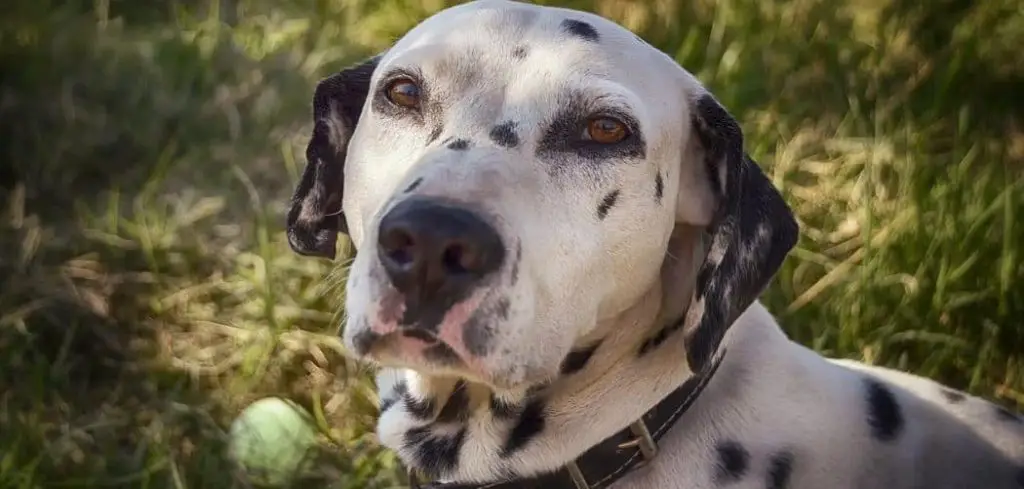
Dog Not Holding Tail Up and Shaking: Common Causes
Tail Strain or Sprain (Limber Tail)
Limber tail, also known as “dead tail” or “cold tail,” is one of the most common reasons a dog suddenly stops holding their tail up and begins shaking.
This condition happens when the muscles at the base of the tail become overstretched or inflamed, often after swimming, vigorous play, or exposure to cold temperatures.
You may notice the tail hanging limp, especially near the base, along with clear reluctance to lift it. The shaking comes from discomfort and the dog’s attempt to cope with the pain.
Although limber tail is usually temporary, it is still painful and can make a dog anxious, sensitive to touch, and hesitant to move normally.
Read more: Dog Not Holding Tail Up and Vomiting (What it means)
Tail or Lower Back Injury
Any injury involving the tail bones, nerves, or lower spine can make a dog keep their tail down and shake from pain.
Common causes include falls, being stepped on, rough play, or getting the tail caught in something.
Dogs with tail injuries may keep the tail tightly tucked, refuse to wag, or yelp if the area is touched. The shaking may be constant or may only appear when the dog tries to move, lay down, or lift the tail.
This type of injury is serious because the tail contains many nerves that connect to the spine, and untreated trauma can lead to long-term problems.
Anal Gland Impaction or Infection
Full, impacted, or infected anal glands cause intense discomfort around the base of the tail, making dogs clamp their tail downward to avoid worsening the pain.
Shaking often appears when inflammation spreads or when the dog is struggling to pass stool.
You may also notice scooting, licking under the tail, foul odors, or difficulty sitting comfortably. Anal gland infections can escalate quickly, sometimes forming abscesses that make the area extremely painful, which explains the tail position and trembling.
Fear or Stress
A dog that feels scared, overwhelmed, or stressed may hold their tail low while trembling.
This is a classic body-language response in dogs experiencing emotional distress.
Common triggers include loud noises, new environments, unfamiliar people or animals, or past trauma resurfacing.
When the emotional trigger is strong enough, a dog may also refuse to move, avoid eye contact, or pant heavily.
While this cause is behavioral rather than physical, it still needs attention because severe anxiety can mimic medical symptoms and significantly affect a dog’s well-being.
Abdominal Pain
A dog experiencing belly pain may keep their tail down protectively and shake due to internal discomfort.
This type of pain can come from digestive upset, inflammation, infection, or more serious problems such as pancreatitis.
Dogs may appear restless, hunched, lethargic, or unwilling to let you touch their abdomen.
The tail position serves as a protective mechanism, while shaking reflects the dog’s distress.
Abdominal pain can be a sign of a medical emergency, so this combination of symptoms should not be ignored.
Illness
A dog with a fever or illness may tremble and carry their tail low because they feel weak, chilled, or achy.
Shaking may signal that the immune system is working hard, while the lowered tail reflects the dog’s discomfort and vulnerability.
Illness-related shaking is often accompanied by lethargy, appetite loss, or changes in behavior.
Because fever is a sign of infection or inflammation, this cause should be taken seriously, especially if the dog’s condition worsens or other symptoms appear.
Related: Dog Not Holding Tail Up When Walking (Why it happens)
What to Do If Your Dog Is Not Holding Their Tail Up and Shaking
If your dog is not holding their tail up and shaking, start by keeping them calm and limiting their activity.
Rest helps reduce inflammation and prevents further pain if the issue is related to a muscle strain, tail injury, or general soreness.
Allow your dog to relax in a quiet, warm space away from noise or stressors.
Gently check the tail and lower back area without forcing movement. If your dog reacts strongly to touch, stop immediately. Pain, swelling, and sensitivity can signal injury or infection that needs veterinary attention.
If your dog may be experiencing anxiety, remove the trigger if possible and offer reassurance with a calm voice and slow movements. A comfortable environment can help reduce trembling while you observe for additional symptoms.
For mild cases of limber tail or overexertion, applying a warm compress near the base of the tail may ease muscle soreness.
Keep sessions short and never apply direct heat. If shaking persists, however, your dog will still need a proper veterinary evaluation.
If your dog has not improved within 12–24 hours, or if symptoms worsen at any point, it is important to schedule a veterinary visit. Tail issues can involve nerves and joints, and infections in this area can escalate quickly.
When to Call or Visit Your Vet
Seek veterinary attention right away if your dog has a limp tail and shaking accompanied by signs of severe pain.
If your dog yelps, growls, or tries to bite when the tail is touched, the area may be injured or infected. Tail injuries and anal gland infections can worsen quickly, so immediate care is important.
Call your vet urgently if you notice swelling, bleeding, foul odors, or discharge around the tail base or rectum. These signs almost always indicate infection or an abscess that requires medical treatment.
You should also seek help if your dog’s shaking becomes intense, continuous, or paired with lethargy, vomiting, diarrhea, or difficulty walking. These symptoms may point to internal illness, spinal issues, or abdominal pain.
If your dog becomes suddenly fearful, collapses, or refuses to move, contact your veterinary clinic right away. These symptoms may indicate a serious or systemic problem that cannot be treated at home.
Read more: Dog Not Holding Tail Up (When to worry)
Key Takeaway
A dog not holding their tail up and shaking is a clear sign that something is wrong, whether it’s pain, injury, illness, stress, or discomfort around the tail or lower back.
Even if the symptoms seem mild at first, they should be monitored closely because tail-related issues can worsen quickly.
The safest approach is to keep your dog calm, avoid touching the painful area, and contact your veterinarian if symptoms persist or intensify.
With timely care and proper treatment, most dogs recover well and return to holding their tail proudly again.