
Seeing your dog not holding their tail up after surgery can be alarming, especially when you’re expecting them to recover smoothly.
The tail is a sensitive area connected to muscles, nerves, and emotional signals—so any sudden change in tail position after a procedure is worth paying attention to.
This guide outlines the common causes of a dog not holding their tail up after surgery, what you can do at home, and when to seek veterinary help.
Dog Not Holding Tail Up After Surgery: Why It Happens
A dog not holding their tail up after surgery typically happens due to pain, inflammation, reduced mobility, or sensitivity around the tail, spine, or rear muscles as the body heals.
Many dogs adopt a lowered tail position when they’re uncomfortable, groggy from anesthesia, or recovering from procedures that affect the hind end.
In some cases, nerve irritation, postoperative swelling, or guarding behavior makes lifting the tail difficult or painful.
It can also be caused by stress, muscle stiffness, or complications such as infection or seroma formation near the surgical site.
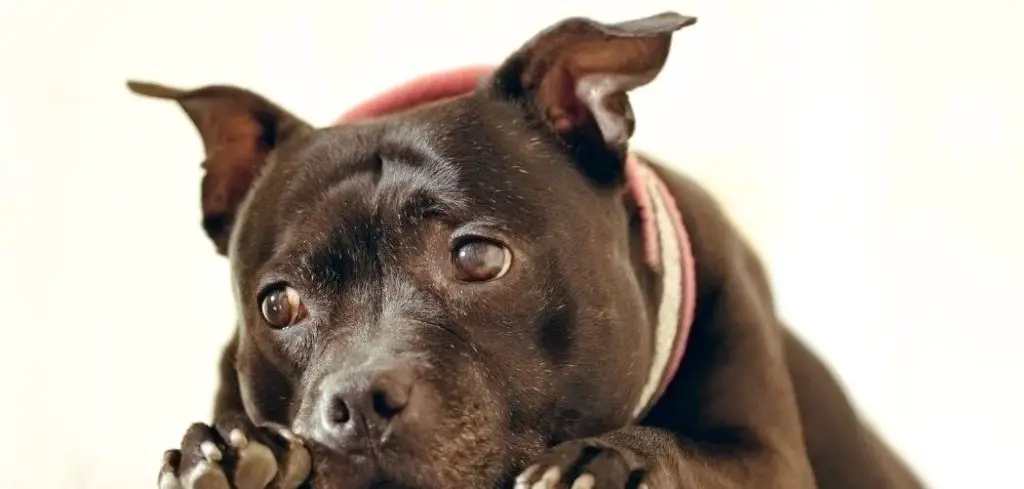
Dog Not Holding Tail Up After Surgery: Common Causes
Postoperative Pain and Inflammation
Pain after surgery is one of the most common reasons a dog stops holding their tail up.
Even routine procedures create inflammation that can make the surrounding muscles sore and sensitive.
If the surgery was near the hindquarters, abdomen, or spine, the discomfort can radiate toward the tail, making lifting it feel strained or painful.
Dogs often exhibit guarding behavior after surgery, meaning they move stiffly or hold certain body parts in protective positions.
A drooping tail paired with slow movement, reluctance to sit, or whining when changing positions often points to discomfort related to healing tissues.
This is serious because poorly managed pain can slow recovery, reduce appetite, and create fear around moving normally. Immediate support and correct medication help prevent prolonged distress.
Read more: Dog Not Holding Tail Up and Shaking (What it means)
Nerve Irritation or Temporary Nerve Dysfunction
Some surgeries—particularly those involving the back legs, hips, spine, or tail base—can cause temporary nerve irritation.
Nerves around the tail are highly sensitive and can become inflamed during surgical positioning, incision-making, or post-op swelling.
When nerve pathways are affected, the dog may lose the ability or desire to lift their tail fully. The tail may hang loosely, appear stiff, or move only slightly at the tip.
Temporary nerve irritation usually resolves as swelling decreases, but in rare cases, more serious nerve compression or damage can occur. Signs like dragging the tail, inability to wag, or changes in bowel control are warnings that need urgent attention.
Muscle Stiffness and Limited Mobility After Anesthesia
General anesthesia affects muscle tone, posture, and coordination for several hours—and sometimes longer.
It is common for dogs to wake up feeling stiff, weak, or unsteady, especially after lying in the same position for an extended time.
Muscles around the hips, spine, and tail may feel tight, making tail movement uncomfortable. This stiffness may persist for a day or two as the body flushes out anesthetic agents.
Dogs may also hold their tail low simply because they feel disoriented or fatigued, not because of a direct injury.
But monitoring is important because excessive stiffness or worsening weakness can indicate complications after surgery.
Swelling Near the Surgical Site
Swelling is a normal part of healing, but it can press against nerves and muscles that control the tail.
If the surgery was near the back, hips, or rear abdomen, swelling may create discomfort during stretching or tail lifting.
Even surgeries that aren’t directly linked to the tail—such as spay/neuter procedures—can influence how comfortable a dog feels moving their hind end.
When swelling becomes significant, the dog may show signs of pain, stiffness, reluctance to move, or protective body language such as tucking the tail close to the body.
Prolonged swelling can interfere with healthy healing, cause internal pressure, or signal infection, so monitoring daily changes is important.
Seroma Formation
A seroma is a pocket of clear fluid that sometimes develops under the skin near a surgical incision.
While not always dangerous, seromas can cause discomfort or a sense of pressure, making it difficult for a dog to comfortably raise their tail.
Dogs may sit awkwardly, move slowly, or avoid certain positions because stretching the area intensifies discomfort. Tail lowering becomes a protective reflex to prevent pulling on healing tissues.
Larger seromas can interfere with the surgical site, reopen incisions, or become infected, so recognizing this early helps prevent complications.
Infection or Postoperative Complications
If a dog is not holding their tail up after surgery and seems increasingly uncomfortable, infection may be the cause.
Infections create heat, swelling, and pressure in nearby tissues, making movement painful. For surgeries involving incisions near the pelvis, hips, hind legs, or abdomen, any infection can affect tail posture.
Dogs may show additional signs such as fever, lethargy, reduced appetite, a foul smell from the incision, discharge, redness, or increased sensitivity when touched.
This cause is serious because untreated infections can spread and delay healing. Early veterinary attention is essential to prevent complications that could affect mobility or nerve function.
Read more: Dog Not Holding Tail Up and Vomiting (How to help your dog feel better)
What to Do If Your Dog Is Not Holding Their Tail Up After Surgery
If your dog is not holding their tail up after surgery, begin by keeping them calm and restricting activity. Rest is essential for proper healing, and overexertion may worsen inflammation or disrupt the surgical site.
Create a quiet, comfortable space where your dog can rest with soft bedding. Avoid stairs, running, or jumping until your veterinarian confirms they can resume normal activity.
Check the incision area daily without forcing your dog to move into painful positions.
Look for swelling, redness, heat, or discharge. If you notice anything unusual, contact your veterinarian promptly.
If your dog appears uncomfortable, do not give human pain medications. Instead, contact your veterinarian to ensure they are receiving the appropriate dosage of their prescribed pain relievers. Proper pain control often restores normal tail posture as swelling and inflammation decrease.
Encourage gentle walking only if approved by your vet. Light movement can help reduce stiffness but should never cause visible discomfort.
Maintain a consistent postoperative routine, including feeding, medications, and rest times, to help your dog feel secure while healing. If your dog seems anxious or fearful, sit nearby and speak softly to reassure them as their body recovers from surgery.
When to Call or Visit Your Vet
You should call your vet if your dog refuses to lift their tail for more than 24–48 hours after surgery, especially if the behavior worsens.
If your dog yelps, trembles, or becomes unusually aggressive when the tail area or hind end is touched, this may indicate significant inflammation, nerve irritation, or an underlying complication.
Seek urgent veterinary attention if the surgical site becomes swollen, warm, red, or produces discharge. These signs frequently indicate infection and need prompt treatment.
Contact your vet right away if you notice worsening stiffness, hind-end weakness, or difficulty walking. These symptoms may signal nerve involvement or postoperative complications that require fast intervention.
If your dog develops fever, lethargy, vomiting, severe pain, or refusal to eat, schedule an emergency visit. Any systemic symptom after surgery is cause for concern and should not be monitored at home.
Read more: Dog Not Holding Tail Up (When to worry)
Key Takeaway
A dog not holding their tail up after surgery is often due to pain, inflammation, swelling, or temporary nerve or muscle effects from the procedure.
Most of the time, this symptom improves with rest, proper medication, and gentle monitoring.
However, changes in tail posture can also signal complications such as infection or nerve irritation, so it’s important to pay close attention to your dog’s recovery.
If your dog’s symptoms worsen or do not improve within a day or two, always contact your veterinarian. With the right care and support, most dogs recover their normal tail movement and comfort as healing progresses.