
A dog not holding pee can be stressful for both dogs and owners. It’s a common concern that can arise at any age, and noticing frequent accidents or signs of urinary leakage is often a signal that something isn’t quite right.
Many dogs may experience this temporarily, but persistent issues should be addressed to ensure your dog’s comfort and health.
Urinary incontinence or inability to control urination can happen due to a mix of medical, hormonal, or behavioral factors.
This guide outlines the common reasons why a dog may not be able to hold their pee, what you can do at home to help, and when to seek veterinary care.
Dog Not Holding Pee: Why It Happens
A dog not holding pee often happens when something affects the bladder, urinary tract, or the dog’s ability to control urination. This can range from simple causes like drinking more water than usual or age-related weakening of bladder muscles to more concerning issues such as urinary tract infections, bladder stones, hormone-related incontinence, or underlying medical conditions.
Paying attention to how often it happens, any changes in your dog’s behavior, and whether there are other symptoms can help determine how urgent the issue is.
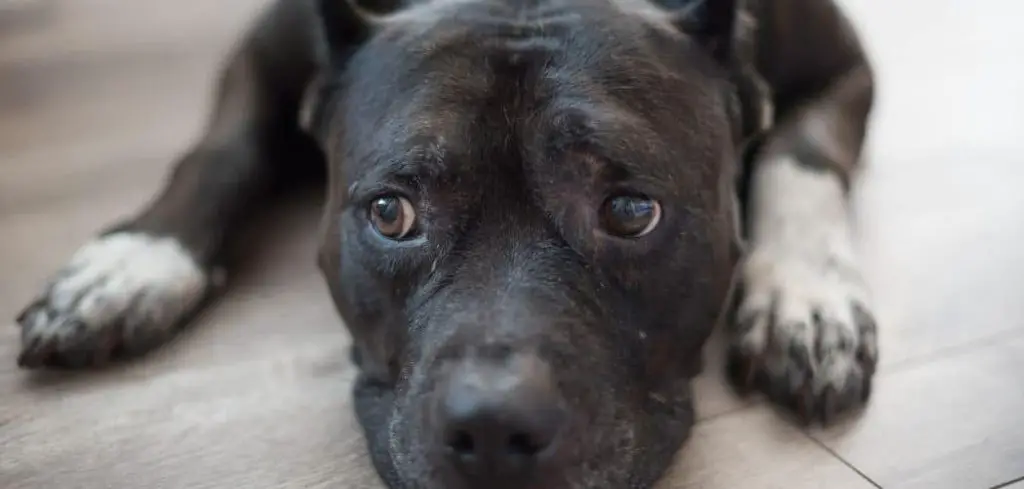
Common Causes of Dog Not Holding Pee
Urinary Tract Infections (UTIs)
Urinary tract infections are one of the most frequent reasons dogs struggle to control urination.
Bacteria in the bladder or urethra can irritate the lining, causing urgency and leakage. Dogs with UTIs may frequently try to urinate in small amounts, appear restless, or show discomfort when peeing.
This condition is particularly common in female dogs due to their shorter urethra, but males are also at risk.
If left untreated, UTIs can lead to kidney infections and more severe health issues, making prompt diagnosis and treatment essential.
Read more: Dog Excessively Drinking and Peeing (Understanding Causes)
Bladder Stones
Bladder stones or crystals can physically interfere with urine flow, causing sudden accidents and discomfort.
These stones may irritate the bladder wall or block the urethra partially, making it difficult for your dog to hold urine.
Dogs with bladder stones may strain while urinating, produce small dribbles, or have blood in the urine.
Depending on the size and type of stone, treatment may involve diet changes, medications, or surgical removal.
Hormonal Imbalances
Hormonal changes, especially a drop in estrogen in spayed female dogs, can weaken the muscles controlling the bladder, leading to incontinence.
This condition, known as hormone-responsive urinary incontinence, is more common in middle-aged to older dogs.
Signs include leakage when lying down, sleeping, or during rest periods. Treatment often includes hormone supplementation or medications that strengthen bladder control.
Age-Related Muscle Weakness
As dogs age, the muscles that control urination can lose tone and strength. Older dogs may not be able to hold urine as efficiently, leading to small accidents throughout the day or night.
This is a natural part of aging, but it can be exacerbated by other health conditions like obesity, arthritis, or neurological decline.
Maintaining a healthy weight and providing gentle exercise can help preserve muscle tone and bladder function.
Neurological Disorders
Damage to the nerves controlling the bladder can cause incontinence in dogs. This may result from spinal injuries, herniated discs, or degenerative neurological conditions.
Dogs with neurological issues may have sudden leaks, dribble continuously, or show signs of weakness in the hind legs.
Early diagnosis is crucial, as some neurological conditions can worsen over time. A veterinarian may recommend imaging tests or refer you to a specialist for treatment.
Anxiety-Related Urination
Sometimes, dogs who are otherwise healthy may develop urinary accidents due to stress, anxiety, or changes in their environment.
Puppies in particular may have difficulty holding pee if they haven’t been fully housetrained, while adult dogs may respond to separation anxiety or stressful events by urinating indoors.
Signs include submissive urination when greeted or urination triggered by fear. Behavioral training, consistent routines, and creating a calm environment can help manage these issues.
Read more: Dog Throwing Up and Peeing (What It Means and How to Act Fast)
What to Do If Your Dog Is Not Holding Pee
If your dog is having trouble holding pee, there are several steps you can take at home to support them and reduce accidents. First, ensure they have frequent access to outdoor potty areas.
Taking them out on a regular schedule helps them empty their bladder completely and can reduce leakage indoors.
Keeping your dog hydrated while monitoring the volume of water intake is important. Avoid restricting water, as dehydration can exacerbate urinary issues, but observe any sudden changes in drinking habits that could signal an underlying condition.
Maintain a clean and comfortable resting area. Providing absorbent pads or easily washable bedding can prevent irritation from urine and help your dog stay comfortable if accidents occur.
Diet and weight management can also play a role. Overweight dogs often have increased pressure on the bladder and may struggle to hold urine.
Feeding a balanced diet and encouraging gentle exercise can reduce stress on the urinary system.
Finally, note any patterns or triggers for the accidents. Keep a diary of times, locations, and behaviors associated with urination. This information is invaluable for your veterinarian and can help identify whether the problem is medical, behavioral, or age-related.
When to Call or Visit Your Vet
If your dog is experiencing sudden or frequent accidents, a veterinary consultation is essential. Immediate attention is warranted if you notice blood in the urine, straining while urinating, or signs of pain or discomfort. These could indicate a urinary tract infection, bladder stones, or more serious underlying health issues.
Persistent leakage in an older dog should also be evaluated, especially if it worsens over time. Neurological symptoms such as hind leg weakness, unusual walking patterns, or loss of coordination alongside urinary incontinence require prompt veterinary assessment.
If your dog shows signs of anxiety or stress-related urination, your veterinarian can help rule out medical causes and guide you toward behavioral interventions. Early intervention often improves outcomes, whether the cause is medical or behavioral.
Related: Dog not peeing (Causes and What to do)
Key Takeaway
Seeing your dog not holding pee can be frustrating and worrying, but it’s often manageable with the right approach. Whether caused by infections, bladder issues, age, hormonal changes, or stress, understanding the underlying reason is the first step toward helping your pet.
Frequent outdoor breaks, supportive bedding, and monitoring your dog’s health and habits can make a significant difference.
Always consult your veterinarian for persistent or concerning symptoms. With timely care and proper management, most dogs can regain comfort and maintain their quality of life, and you can enjoy a cleaner, happier home.