
Vomiting or regurgitating food and water can be distressing. While occasional minor upset is normal, persistent inability to keep food or water down can signal underlying health issues that need attention.
This guide outlines the common reasons why a dog may not hold down food or water, what you can do at home, and when to seek veterinary help.
Dog Not Holding Down Food or Water: Why It Happens
A dog not holding down food or water is usually experiencing digestive upset, infection, inflammation, or more serious underlying health problems.
Vomiting can result from mild dietary indiscretions, sudden changes in diet, stress, or motion sickness, while persistent vomiting may indicate gastrointestinal obstruction, pancreatitis, kidney disease, or other systemic illness.
Some dogs may show normal appetite but still struggle to keep fluids down, which can quickly lead to dehydration.
Timing, frequency, and accompanying symptoms can provide important clues about the severity and cause of the problem.
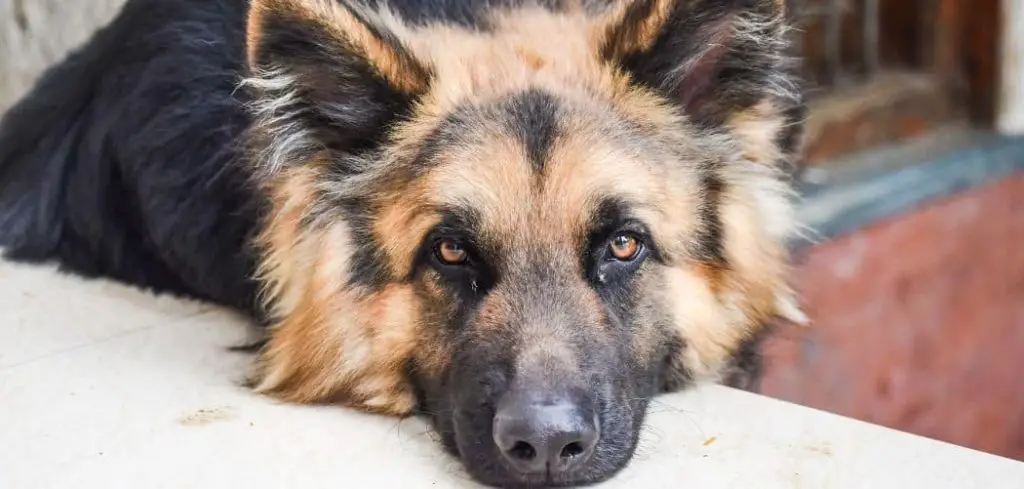
Dog Not Holding Down Food or Water: Common Causes
Gastrointestinal Upset
Dogs often vomit due to simple digestive upset. Eating too quickly, consuming spoiled food, or ingesting non-food items like grass or toys can irritate the stomach lining.
You may notice repeated retching, drooling, or gagging. In mild cases, vomiting resolves quickly, but persistent vomiting can signal that the stomach is inflamed or that an obstruction is present.
Gastrointestinal upset is serious when vomiting continues, as it can lead to dehydration and electrolyte imbalances.
Related: Dog only drinking water and not eating (Here’s why)
Dietary Changes
Introducing new food too quickly or feeding treats not suited to your dog’s system can cause vomiting.
Dogs with food allergies or intolerances may react immediately or within hours after eating.
Symptoms include vomiting, occasional diarrhea, or visible discomfort after meals. Dogs may also show changes in behavior, such as reluctance to eat or pacing after meals.
Understanding your dog’s dietary needs and gradually introducing new foods can prevent these issues, but ongoing reactions require veterinary guidance to avoid nutritional deficiencies or chronic stomach irritation.
Infections or Parasites
Bacterial, viral, or parasitic infections can irritate the stomach and intestines, making it difficult for dogs to retain food and water. Common culprits include parvovirus, giardia, and salmonella.
Affected dogs may display lethargy, diarrhea, fever, or abdominal pain along with vomiting.
Persistent vomiting due to infection can quickly become dangerous, especially in puppies or older dogs.
Prompt diagnosis and treatment are crucial to prevent dehydration and further systemic complications.
Pancreatitis
Pancreatitis, or inflammation of the pancreas, can prevent dogs from digesting food properly and retaining fluids. It is often triggered by high-fat meals or obesity but can also occur spontaneously.
Dogs may vomit repeatedly, refuse food, have a tender abdomen, or exhibit signs of pain after eating.
Pancreatitis can become severe and life-threatening if untreated, leading to dehydration, electrolyte imbalances, and organ dysfunction. Veterinary attention is essential for proper diagnosis and management.
Kidney or Liver Disease
Diseases affecting the kidneys or liver can indirectly cause vomiting and difficulty keeping food or water down. Toxins, metabolic imbalances, or organ failure can irritate the stomach and reduce appetite.
Dogs with kidney or liver issues may also display lethargy, increased drinking or urination, bad breath, or jaundice.
Persistent vomiting in combination with these signs requires immediate veterinary evaluation, as these conditions can worsen rapidly and impact overall health.
Gastrointestinal Obstruction
Ingesting foreign objects, bones, or indigestible materials can block the digestive tract, causing vomiting and an inability to keep food or water down.
Signs include repeated retching, abdominal pain, bloating, and sometimes lethargy. This is a medical emergency because obstructions can cut off blood supply to the intestines or lead to perforation.
Timely veterinary care, often surgical intervention, is required to prevent serious complications.
Related: Dog suddenly not eating and vomiting (Here’s why)
What to Do If Your Dog Is Not Holding Down Food or Water
Begin by observing your dog carefully. Note how often vomiting occurs, whether it’s after eating or drinking, and whether your dog shows other symptoms like diarrhea, lethargy, or pain.
Removing access to food for a brief period (6–12 hours) while providing small amounts of water can sometimes allow the stomach to settle, but avoid prolonged fasting without veterinary advice.
Offer bland, easy-to-digest food such as boiled chicken and rice once vomiting has stopped for a few hours. Introduce small, frequent meals rather than full portions to avoid overloading the stomach.
Keep fresh water available in small amounts to prevent dehydration, but monitor closely to ensure it stays down.
Avoid giving over-the-counter human medications or anti-nausea drugs without veterinary guidance, as some can be toxic to dogs.
Monitor for signs of dehydration such as dry gums, sunken eyes, lethargy, or decreased urination. If mild vomiting persists beyond 24 hours or worsens, contact your veterinarian immediately.
Keep a record of dietary intake, vomiting frequency, and any other symptoms.
This information helps your veterinarian pinpoint the cause and recommend appropriate testing or treatment. Creating a calm, stress-free environment can also support recovery, as stress can exacerbate stomach upset.
When to Call or Visit Your Vet
Seek veterinary care immediately if your dog is vomiting repeatedly and cannot retain water, as this can quickly lead to dehydration. Rapid or repeated vomiting, especially in puppies, older dogs, or dogs with pre-existing conditions, is a medical emergency.
Contact your vet if vomiting is accompanied by other symptoms such as diarrhea, abdominal pain, lethargy, bloating, or blood in vomit. These signs may indicate serious conditions like pancreatitis, gastrointestinal obstruction, or infections.
Persistent vomiting over more than 24 hours or refusal to eat or drink warrants urgent veterinary evaluation. Delays in treatment can lead to severe dehydration, electrolyte imbalances, and organ complications.
If your dog shows signs of systemic illness such as weakness, pale gums, jaundice, or unusual behavior, these are urgent indicators that immediate veterinary attention is necessary.
Read more: Dog Sick Diarrhea and Not Eating (Understand what it means)
Key Takeaway
A dog not holding down food or water can range from a minor digestive upset to a serious health emergency.
Observing behavior, monitoring for additional symptoms, and managing diet carefully are important first steps.
However, persistent vomiting, refusal to drink, or signs of systemic illness always require veterinary evaluation.
Prompt attention can prevent dehydration, nutritional deficiencies, and complications, helping your dog recover safely and comfortably.
Early recognition and intervention make a significant difference in your dog’s health, comfort, and quality of life. Stay observant, respond quickly, and partner with your veterinarian to ensure the best outcome.