
When a dog is not himself after grooming, it can be worrying. A normally confident or energetic dog may suddenly seem withdrawn, jumpy, tired, or unusually clingy after a routine grooming session.
These changes can feel unexpected, especially when grooming is supposed to help dogs feel clean and comfortable.
We outline the common reasons why a dog may not act like himself after grooming, what you can do at home, and when to seek veterinary help.
Dog Not Himself After Grooming: Why It Happens
A dog not himself after grooming is usually reacting to stress, discomfort, fear, overstimulation, or soreness from handling. Some dogs become emotionally overwhelmed by the grooming environment, while others feel unusual after having their nails trimmed, fur cut, or ears cleaned.
Grooming can also reveal or irritate underlying issues like skin sensitivity or ear inflammation. These physical and emotional factors can temporarily change how your dog behaves until he adjusts again.
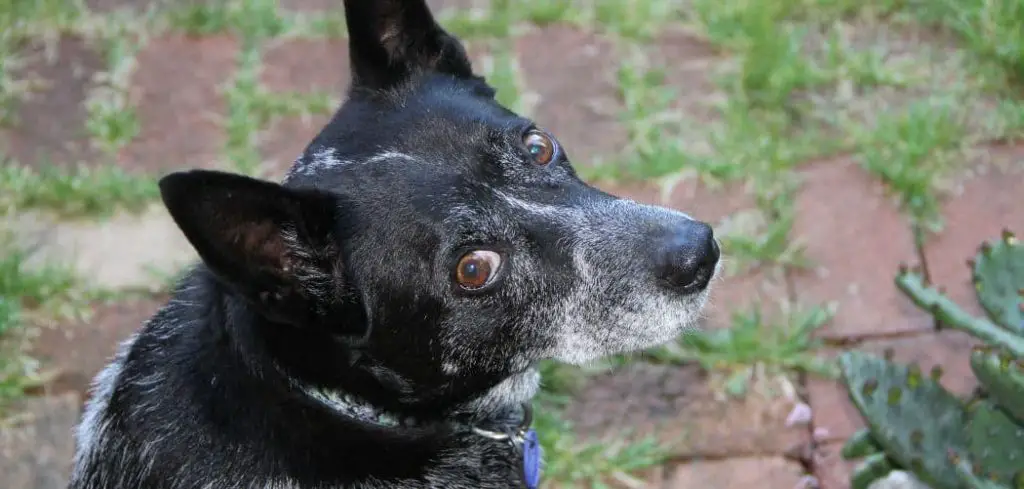
Dog Not Himself After Grooming: Common Causes
Stress
Many dogs become stressed during grooming because the environment is loud, unfamiliar, and filled with equipment they don’t understand.
Clippers, blow dryers, buzzing noises, barking dogs, and strange smells can make the experience overwhelming. Even confident dogs may freeze, shake, or become quiet once they return home.
Stress can cause a dog to seem tired, withdrawn, or unusually clingy after grooming. You may notice your dog pacing, panting, hiding, refusing treats, or showing less interest in playing.
Some dogs also sleep more than usual after a stressful appointment as their body recovers from the adrenaline surge.
Although the behavior is temporary, repeated stress can make grooming increasingly difficult for your dog.
Related: Dog licking privates after grooming (Here’s why)
Post-Grooming Sensory Changes
Grooming changes how your dog feels physically, and this can be disorienting. If a dog receives a shorter haircut than usual, he may feel cold, overly exposed, or unsettled by suddenly losing a layer of familiar fur. Similarly, freshly shaved areas can make the skin feel itchy, tingly, or overly sensitive.
Nail trims dramatically alter how a dog’s paws feel against the floor. Dogs with long nails may suddenly feel “different” when walking after a proper trim, causing some to walk cautiously or act strangely.
Ear cleaning can also amplify internal sounds temporarily, making dogs extra alert or uncomfortable. These sensory shifts often make dogs act unlike themselves for several hours or even a couple of days.
Mild Pain
Grooming requires handling sensitive parts of the body, and even gentle manipulation can cause temporary soreness.
Dogs with tender joints, skin allergies, matted fur, or underlying infections may feel discomfort after grooming.
Detangling mats can pull on the skin, trimming around the paws or groin can irritate delicate areas, and ear cleaning can feel uncomfortable if the ears were already inflamed.
Sometimes clipper blades, even when used correctly, can cause clipper burn—an irritation that leads to redness, itching, and sensitivity.
Dogs may lick, scratch, shake their head, or seem grumpy and withdrawn because they don’t feel like their usual selves. When discomfort occurs, your dog may hide, avoid touch, or appear stiff when walking or lying down.
Fear
If your dog had a negative experience during grooming—such as slipping on a table, reacting to loud noises, or being restrained in a way that scared him—he may return home shaken.
Dogs remember stressful events, and even a single fear-triggering moment can cause emotional aftereffects.
Your dog may stick closely to you, appear jumpy, avoid certain rooms, or act depressed after grooming. Some dogs become hypervigilant, startling easily or scanning the environment more than usual.
Emotional trauma doesn’t always show up immediately; some dogs only express it once they are back in their safe home environment. If this becomes a pattern, your dog may start acting nervous even before future grooming visits.
Reaction to Grooming Products
Shampoos, conditioners, sprays, or perfumes used during grooming can cause irritation or allergic reactions in sensitive dogs.
Even mild grooming products may cause dryness, itchiness, or redness, particularly if the dog has allergies, a fragile skin barrier, or underlying dermatological conditions.
Allergic reactions can make a dog restless, itchy, or uncomfortable, leading to behavior changes such as shaking, pacing, licking their paws, or rubbing their body against furniture.
If residue from grooming products is left behind, it can further irritate the skin or eyes. In rare cases, inhaled particles from sprays or drying droplets can cause coughing or sneezing, making the dog feel even less like himself.
Overstimulation and Exhaustion
Grooming can be mentally exhausting even for well-behaved dogs. Standing for long periods, being handled by strangers, and experiencing constant sensory input can leave dogs fatigued afterward.
Once back home, your dog may appear unusually quiet, detached, or lethargic—not because he is sick, but because he is simply tired from an overstimulating experience.
Some dogs crash into a deep sleep after grooming, while others may wander around aimlessly or act spaced out as they come down from the stimulation.
This type of exhaustion usually resolves within a day or two, once the dog has rested and regained a sense of normalcy.
Related: Dog diarrhea due to stress (Why it happens)
What to Do If Your Dog Is Not Himself After Grooming
If your dog is not himself after grooming, start by giving him extra space and time to decompress. Avoid overwhelming him with attention and allow him to rest in a quiet, comfortable environment.
Many dogs benefit from a calm recovery period where they can sleep, stretch, and gradually readjust to familiar surroundings.
Observe your dog gently for any signs of discomfort, such as excessive licking, scratching, shaking, or guarding certain body areas.
If you suspect irritation from grooming products, wiping your dog gently with a damp cloth can help remove surface residue without stripping the skin.
For dogs with short haircuts, providing a cozy blanket or sweater may help them feel secure and warm.
If your dog seems stressed, sit near him and offer soft reassurance without forcing interaction. Using slow, calm movements can help rebuild trust and reduce anxiety.
Offering familiar treats or engaging in a comforting routine, like a walk or gentle play, can help restore confidence once your dog begins to relax.
When your dog experiences repeated emotional distress after grooming, consider switching groomers, requesting minimal handling, or asking for a quieter appointment slot. Some dogs benefit greatly from mobile groomers who provide one-on-one care in a quiet environment.
For dogs showing signs of soreness, such as stiff walking or reluctance to be touched, monitor closely for improvement. Mild discomfort usually fades as the dog rests, but worsening symptoms may require veterinary attention.
When to Call or Visit Your Vet
Contact your veterinarian if your dog seems unusually lethargic, unresponsive, or distressed for more than 24–48 hours after grooming. Prolonged changes in behavior can signal underlying issues unrelated to grooming stress, such as infections, reactions to grooming products, or hidden areas of discomfort.
Seek immediate veterinary care if you notice redness, swelling, or oozing from the skin or ears, as these may indicate irritation, allergic reaction, or infection.
Dogs that shake their head persistently, scratch intensely, or yelp when touched may be experiencing ear pain or clipper burn that requires medical treatment.
If your dog collapses, trembles excessively, vomits, has difficulty breathing, or shows neurological signs such as disorientation or stumbling, treat it as an urgent veterinary situation. These symptoms may not be related to grooming itself but may have been triggered or worsened during the appointment.
Additionally, if your dog has a history of traumatic grooming experiences or severe anxiety, speak with your vet about options such as desensitization training, calming supplements, or sedation grooming for safer, more comfortable handling.
Read more: Dog Diarrhea After Vaccinations (Common reactions explained)
Key Takeaway
A dog not himself after grooming can be responding to stress, discomfort, sensory changes, or emotional overwhelm. Most dogs return to their usual behavior once they’ve had time to rest and readjust.
By monitoring your dog’s comfort, offering reassurance, and ensuring gentle future grooming experiences, you can help him feel safe and supported.
When concerning symptoms persist or worsen, your veterinarian can help identify underlying issues and guide you toward the best care plan for your dog’s well-being.