
When your dog seems grumpy, sluggish, or downright annoyed when waking up, it can leave you wondering whether they’re tired, nervous, in pain, or simply not feeling like themselves.
Morning behavior changes can reveal subtle issues long before other symptoms appear, so it’s important to pay attention.
We outline the common reasons for a dog being not happy about waking up, what you can do, and when to seek veterinary attention.
Dog Not Happy About Waking Up— Why It Happens
A dog not happy about waking up is usually reacting to discomfort, drowsiness, stiffness, anxiety, or disruptions in their normal sleep cycle. Some dogs wake up slowly because they feel groggy or confused, while others may be experiencing pain, soreness, or age-related stiffness that makes mornings tougher.
Changes in routine, poor sleep quality, and emotional stress can also play a role.
Many dogs need a few minutes to transition from deep sleep to alertness, especially if startled or woken abruptly, and this can easily be misinterpreted as unhappiness.
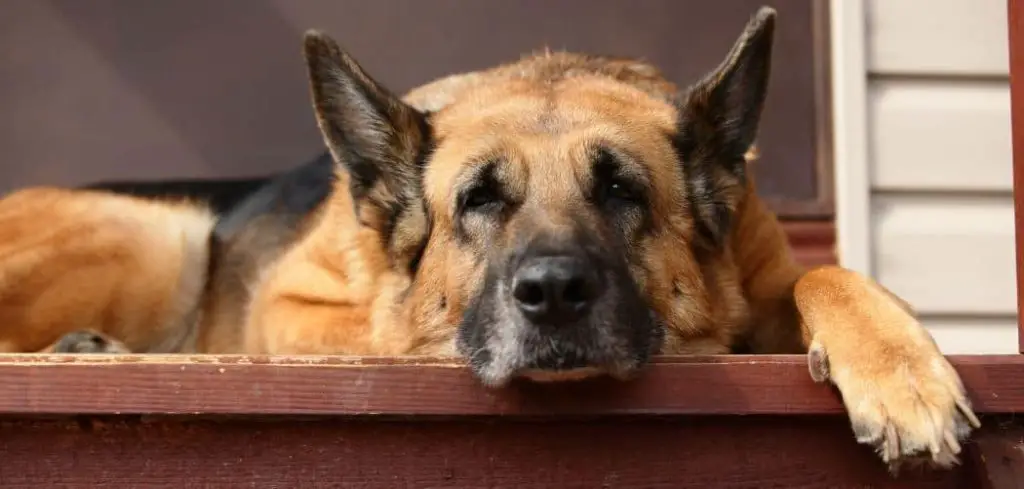
Dog Not Happy About Waking Up: Common Causes
Morning Stiffness or Joint Pain
Dogs who wake up grumpy or reluctant to move may be experiencing stiffness or discomfort after resting.
This is especially common in dogs with mild arthritis, early joint disease, or muscle soreness from previous activity. During sleep, joints cool down, swelling increases slightly, and movement decreases — all of which can make the first steps of the day uncomfortable.
You may notice your dog stretching excessively, moving slowly, or avoiding jumping or stairs upon waking. They may also vocalize, lick their joints, or appear irritated when touched.
While this stiffness often improves after they “warm up,” chronic morning discomfort can impact mood and make a dog appear unhappy or withdrawn when waking up.
This cause is significant because untreated joint pain can worsen over time and affect behavior long before more obvious physical symptoms appear.
Related: Dog panting excessively for no reason (What it means)
Sleep Cycle Disruptions or Poor Sleep Quality
Just like humans, dogs can have disrupted sleep patterns that make waking up unpleasant.
Dogs may not sleep well if their environment is noisy, too bright, too cold, too warm, or if they are frequently disturbed.
Conditions such as sleep apnea, nighttime anxiety, digestive discomfort, or itching can also prevent them from getting restorative rest.
A dog who hasn’t slept deeply may wake up cranky, confused, or irritable. Slow blinking, “zoned-out” expressions, or reluctance to get up can signal lingering drowsiness.
Some dogs need time to transition gently out of REM sleep, and if roused too quickly, they may react with grumpiness or disorientation.
This matters because chronic poor sleep can affect a dog’s mood, energy, immune function, and overall behavior throughout the day.
Stress-Related Morning Behavior
Anxiety can play a major role in how a dog behaves when waking up.
Dogs who feel nervous or uncertain about the day ahead, separation from their owner, or past negative experiences may wake up anxious or reluctant to leave their resting area.
Morning routines involving sudden noises, fast-paced preparation, or rushed departures can contribute as well.
Signs may include tucked ears, yawning, lip licking, pacing, or refusing to leave the bed or crate.
Some dogs appear “sad” or withdrawn in the morning because they anticipate stressful events or feel overwhelmed by transitions.
This cause is serious because ongoing anxiety can affect appetite, training, bathroom habits, and home behavior, making early identification especially important.
Not Feeling Well
A dog not happy about waking up may simply not be feeling well. Minor gastrointestinal upset, low-grade infections, early respiratory irritation, or general malaise can make a dog seem gloomy or resistant to starting their day.
Many dogs hide illness, so subtle changes in morning energy or attitude may be your first clue.
Your dog might move more slowly, stretch more than usual, or seem “off” even if they eat normally later. They may also appear clingy or avoidant depending on how they feel.
Although not always an emergency, morning unhappiness without an obvious reason can be an early sign of illness and should not be ignored.
Discomfort From Sleeping Position
Sometimes the problem is as simple as waking up uncomfortable. Dogs may feel stiff or unsettled when rising if their bedding is too firm, too soft, too small, unfamiliar, or positioned in an uncomfortable area.
Drafts, temperature changes, or sleeping in cramped spaces can lead to poor-quality rest and irritability upon waking.
Your dog may stretch repeatedly, change positions, avoid certain beds, or be reluctant to get up quickly. Some dogs take a few minutes to shake off the stiffness caused by awkward sleeping angles.
This is important because uncomfortable sleep environments can lead to long-term avoidance behaviors, anxiety around bedtime, or chronic sleep disruptions.
Age-Related Changes
Senior dogs frequently wake up slowly and appear unhappy or resistant to getting up.
Age-related changes such as cognitive decline, joint stiffness, reduced mobility, or slower processing speeds can make mornings harder.
Older dogs may feel disoriented when waking or need extra time to adjust to bright light and sudden movements.
You may notice confusion, pacing, slow movement, or reluctance to follow the morning routine.
Although normal aging plays a role, significant changes could indicate a medical or cognitive condition that deserves veterinary attention.
This cause matters because early intervention can improve comfort and quality of life as a dog ages.
Related: Dog excessively drooling suddenly (Here’s why)
What to Do If Your Dog Is Not Happy About Waking Up
Start by observing your dog’s morning routine closely over several days. Pay attention to whether the behavior appears consistently or only occasionally.
Dogs who simply wake up slowly may need gentler transitions, while dogs showing stiffness or discomfort may need supportive care. Approach mornings calmly and avoid startling your dog awake, especially if they are in deep sleep.
Evaluate your dog’s sleep environment. Provide a supportive bed, ensure the room is quiet and comfortable, and minimize nighttime disruptions.
A memory foam or orthopedic bed can help reduce morning soreness, especially for older dogs or dogs prone to joint discomfort. If your dog prefers a certain sleeping location, allow them to rest there as long as it is safe and comfortable.
If you suspect stiffness or mild joint discomfort, consider gentle morning warm-ups.
Slow, easy stretching, short walks, or light massage can help loosen tight muscles and ease discomfort. Avoid forcing your dog to move quickly or perform strenuous activities right after waking.
For dogs showing signs of stress or anxiety, create a predictable, calm morning environment. Soft voices, gentle touches, and unrushed movement can help ease emotional tension.
If your schedule allows, spend a few minutes quietly with your dog before beginning daily activities to help them transition more smoothly.
If your dog appears unwell, lethargic, or consistently unhappy in the mornings, monitor their appetite, behavior, bathroom habits, and energy throughout the day.
Even subtle changes can provide clues to underlying issues. If the behavior worsens or you notice additional symptoms, veterinary guidance is needed.
When to Call or Visit Your Vet
If your dog seems consistently distressed or unhappy when waking up, it is important to watch for signs that suggest a more serious issue.
Seek veterinary attention if your dog shows worsening stiffness, limping, or reluctance to walk upon waking. Morning pain or difficulty rising can signal growing joint disease or orthopedic problems.
Contact your vet if your dog appears confused, disoriented, or unsettled when waking. These symptoms may indicate neurological issues, cognitive changes in older dogs, or health conditions affecting brain function.
Any sudden change in morning behavior is worth evaluating, especially if it persists.
If your dog shows additional symptoms such as vomiting, diarrhea, coughing, shaking, reduced appetite, or unusual fatigue, these may point to an underlying illness.
When morning grumpiness is accompanied by other physical changes, it becomes more urgent to determine the cause.
If anxiety appears to be the main issue, but your dog is struggling to cope or showing worsening signs, veterinary help is needed.
Anxiety-related behaviors can escalate and affect your dog’s health and daily life, so early intervention is beneficial.
Read more: Dog loose stool no other symptoms (What it means)
Key Takeaway
A dog not happy about waking up is often responding to discomfort, anxiety, disrupted sleep, or minor illness. While many cases are mild and manageable at home, consistent changes in morning behavior deserve attention.
Supportive routines, comfortable sleeping arrangements, and gentle transitions can help your dog feel better when starting their day.
If symptoms persist or worsen, a veterinary evaluation ensures that any underlying issue is addressed promptly and compassionately.
Your dog’s mornings are important — noticing their early behavior helps you care for their health, comfort, and emotional well-being every day.